


Claire is a UK-registered osteopath at Key Osteopaths with a clinical focus on babies, infant feeding assessment and tongue function.
She holds a Master of Osteopathy (M.Ost) from the University College of Osteopathy, qualifying in 2017, and is registered with the General Osteopathic Council (GOsC No: 9780), the statutory regulator for osteopaths in the United Kingdom. She is also a member of the Institute of Osteopathy and undertakes ongoing continuing professional development in paediatric and cranial osteopathy.
Claire has completed additional training in infant feeding and tongue tie assessment, including the Baby-em Infant Feeding and Tongue Tie Course and the Infant Colic, Reflux and Allergies Course. She is trained to assess tongue function using recognised tools including the Hazelbaker Assessment Tool and the Bristol Tongue Tie Assessment Tool, assessing both the appearance and functional movement of the tongue.
Claire regularly supports babies presenting with feeding and latch difficulties, suspected tongue tie, reflux or wind, feeding discomfort, and musculoskeletal tension affecting the head, neck or jaw. Consultations include a detailed birth and feeding history followed by a structured musculoskeletal and functional assessment.
Where appropriate, she uses gentle cranial osteopathic techniques to support mobility and reduce tension in the head, neck and jaw. If a tongue restriction is suspected, Claire assesses function and refers to appropriately qualified tongue tie practitioners where needed. She works collaboratively with IBCLCs, tongue tie practitioners and NHS breastfeeding support services to help families access the most appropriate care.
Claire completed safeguarding training during her osteopathic degree and maintains paediatric first aid training. Osteopathy is a regulated allied health profession in the UK, and Claire practises within UK professional standards, recommending medical referral where symptoms fall outside the scope of osteopathic care.
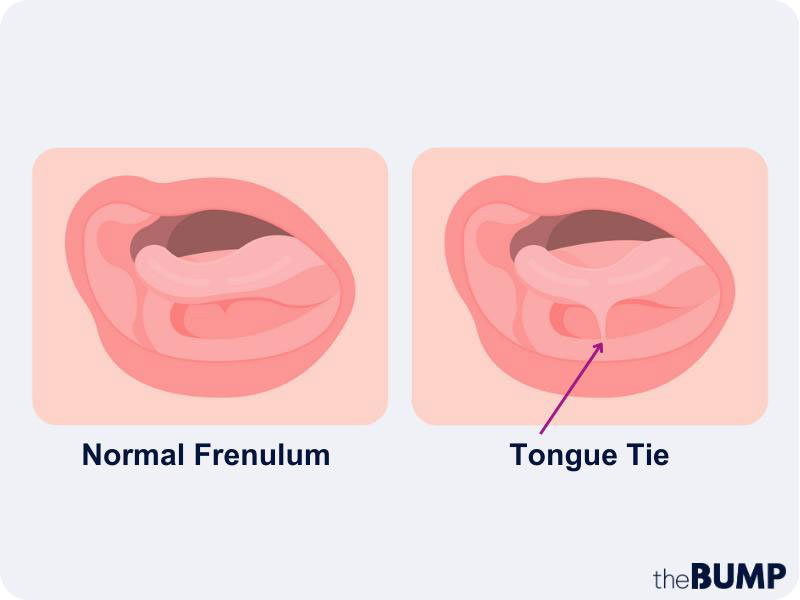
For both breast and bottle feeding, the tongue is responsible for creating and maintaining suction. It should elevate against the palate, extend forward to support latch, and move in a smooth, wave-like pattern to draw milk effectively.
When tongue movement is reduced, babies may struggle to achieve a deep latch or maintain it throughout the feed. Milk transfer can become inefficient, leading to longer feeds, more frequent feeding, or early fatigue. Some babies compensate by biting, clamping with the jaw or using excessive lip tension, which can further disrupt feeding comfort.
These adaptations allow feeding to continue, but often at a cost. Babies may swallow more air, tire quickly, or become unsettled during or after feeds. Over time, this can affect feeding rhythm, comfort and overall feeding confidence.
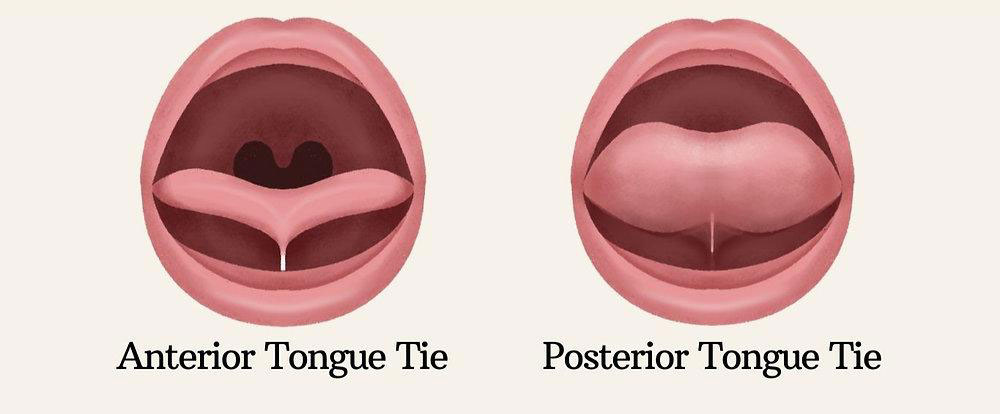
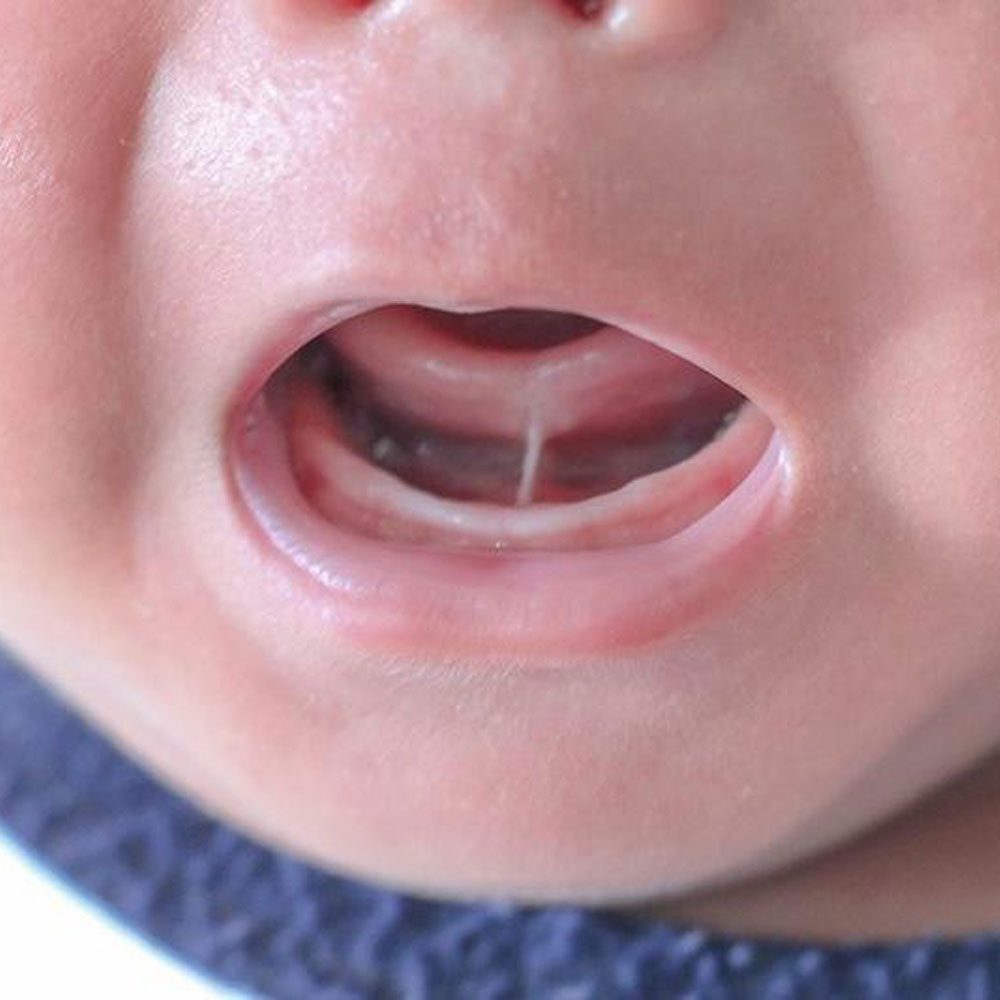
Not all tongue ties affect feeding in the same way. A structural restriction refers to the physical presence of a tight or short frenulum. A functional restriction refers to how much that structure actually limits tongue movement during feeding.
Some babies have an obvious frenulum but excellent tongue mobility and feed without difficulty. Others have less visible or posterior restrictions that significantly limit elevation or endurance, leading to feeding problems that are easily missed during brief or visual checks.
This distinction is critical. Decisions about support or referral should be based on function, not appearance alone. A functional assessment looks at tongue range, strength, coordination and endurance, as well as how the baby feeds in practice. This approach reduces unnecessary intervention while ensuring babies who do need support are identified accurately.

Feeding-related signs are often the first indicators parents notice. These can include difficulty latching or maintaining a latch, particularly at the start or end of feeds. Some babies make clicking or smacking sounds as suction is repeatedly lost and regained, or milk may leak from the corners of the mouth during feeding.
Feeds may take a long time or occur very frequently without the baby appearing settled or satisfied. Some babies tire quickly and fall asleep during feeds, only to wake shortly afterwards still hungry. Others appear to work very hard during feeds, with visible jaw effort or tension through the face and neck.
These signs suggest that the tongue may not be moving efficiently enough to support sustained, coordinated milk transfer.
Beyond feeding itself, tongue tie can influence a baby’s comfort and behaviour. Increased air intake during feeds may lead to excessive wind, unsettled behaviour, arching or signs commonly described as reflux. Babies may become fussy during feeds, pull away frequently, or seem uncomfortable both during and after feeding.
Some babies show signs of frustration or distress around feeding times, even when they appear hungry. Others struggle to settle between feeds or have disrupted sleep patterns related to feeding discomfort.
These behavioural signs are often attributed to temperament or digestive issues, but they can also reflect the physical effort required to feed when tongue movement is restricted.