
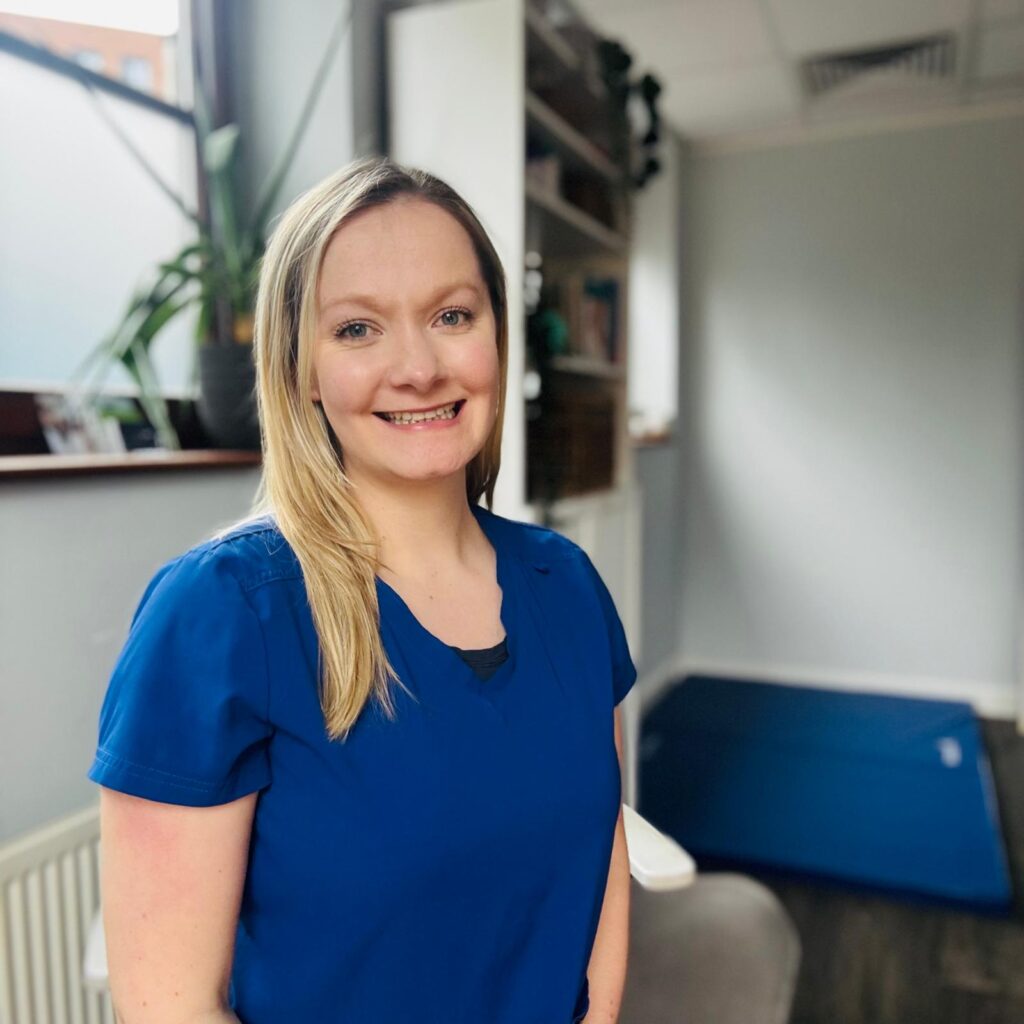
Claire is a UK-registered osteopath at Key Osteopaths with a clinical focus on babies, infant feeding assessment and tongue function.
She holds a Master of Osteopathy (M.Ost) from the University College of Osteopathy, qualifying in 2017, and is registered with the General Osteopathic Council (GOsC No: 9780), the statutory regulator for osteopaths in the United Kingdom. She is also a member of the Institute of Osteopathy and undertakes ongoing continuing professional development in paediatric and cranial osteopathy.
Claire has completed additional training in infant feeding and tongue tie assessment, including the Baby-em Infant Feeding and Tongue Tie Course and the Infant Colic, Reflux and Allergies Course. She is trained to assess tongue function using recognised tools including the Hazelbaker Assessment Tool and the Bristol Tongue Tie Assessment Tool, assessing both the appearance and functional movement of the tongue.
Claire regularly supports babies presenting with feeding and latch difficulties, suspected tongue tie, reflux or wind, feeding discomfort, and musculoskeletal tension affecting the head, neck or jaw. Consultations include a detailed birth and feeding history followed by a structured musculoskeletal and functional assessment.
Where appropriate, she uses gentle cranial osteopathic techniques to support mobility and reduce tension in the head, neck and jaw. If a tongue restriction is suspected, Claire assesses function and refers to appropriately qualified tongue tie practitioners where needed. She works collaboratively with IBCLCs, tongue tie practitioners and NHS breastfeeding support services to help families access the most appropriate care.
Claire completed safeguarding training during her osteopathic degree and maintains paediatric first aid training. Osteopathy is a regulated allied health profession in the UK, and Claire practises within UK professional standards, recommending medical referral where symptoms fall outside the scope of osteopathic care.



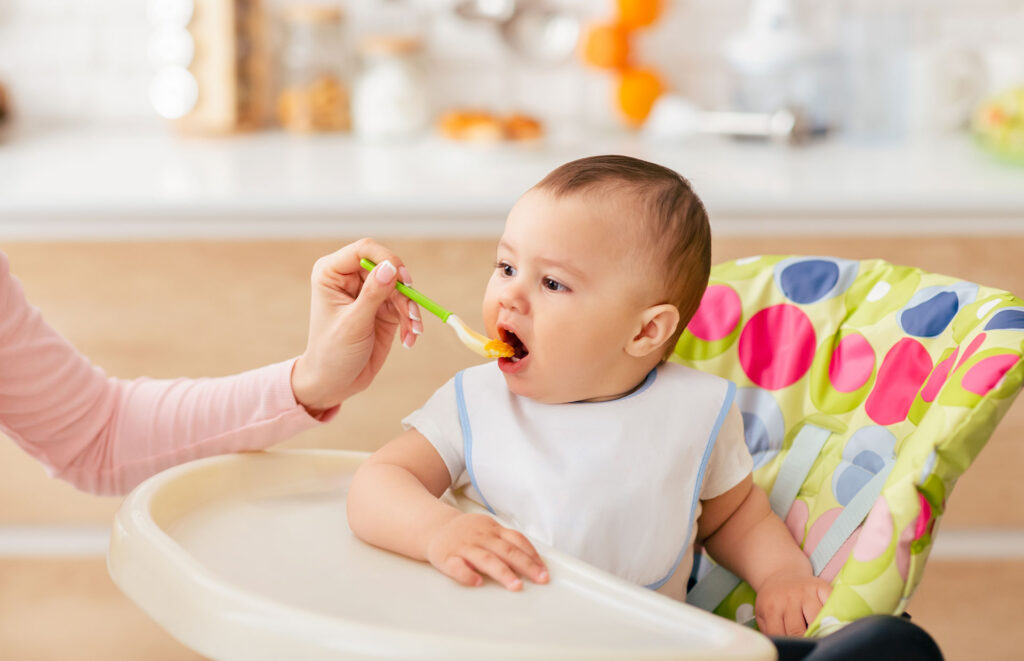


Some families seek post-release support immediately to help smooth the transition, while others look for help when feeding improvements plateau or new challenges arise. In both cases, the aim of the appointment is to understand how your baby is adapting and to support efficient, comfortable feeding over time.