Clicking, locking, aching or clenching? Anna van Piggelen looks at how your jaw actually moves, and what is driving the problem, so you can eat, talk and sleep comfortably again.
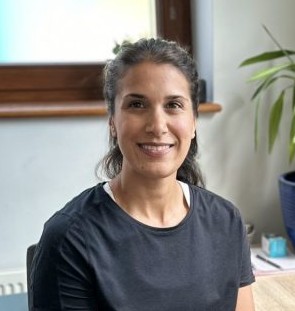
A specialist in head, neck, and TMJ issues, integrating traditional osteopathy with Orofacial Myofunctional Therapy.
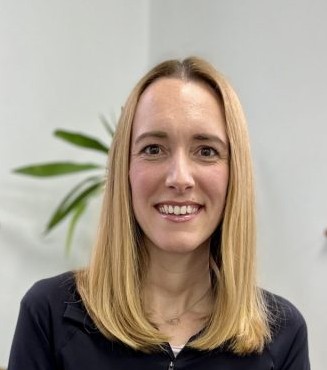
A whole-body practitioner combining manual therapy with Pilates techniques and ultrasound to enhance mobility and manage degenerative pain.
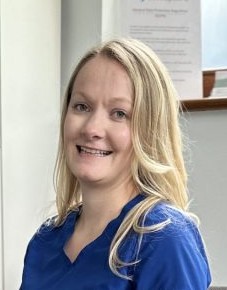
A versatile practitioner for all ages, offering both structural treatment and specialised Cranial Osteopathy for babies and adults.
Anna is a Registered Osteopath and Orofacial Myofunctional Therapist. Her interest is personal as well as professional: she underwent palate expansion and myofunctional therapy herself after problems linked to longstanding childhood oral habits, so she knows what a structured programme asks of you.
Your jaw clicks or pops when you eat or yawn
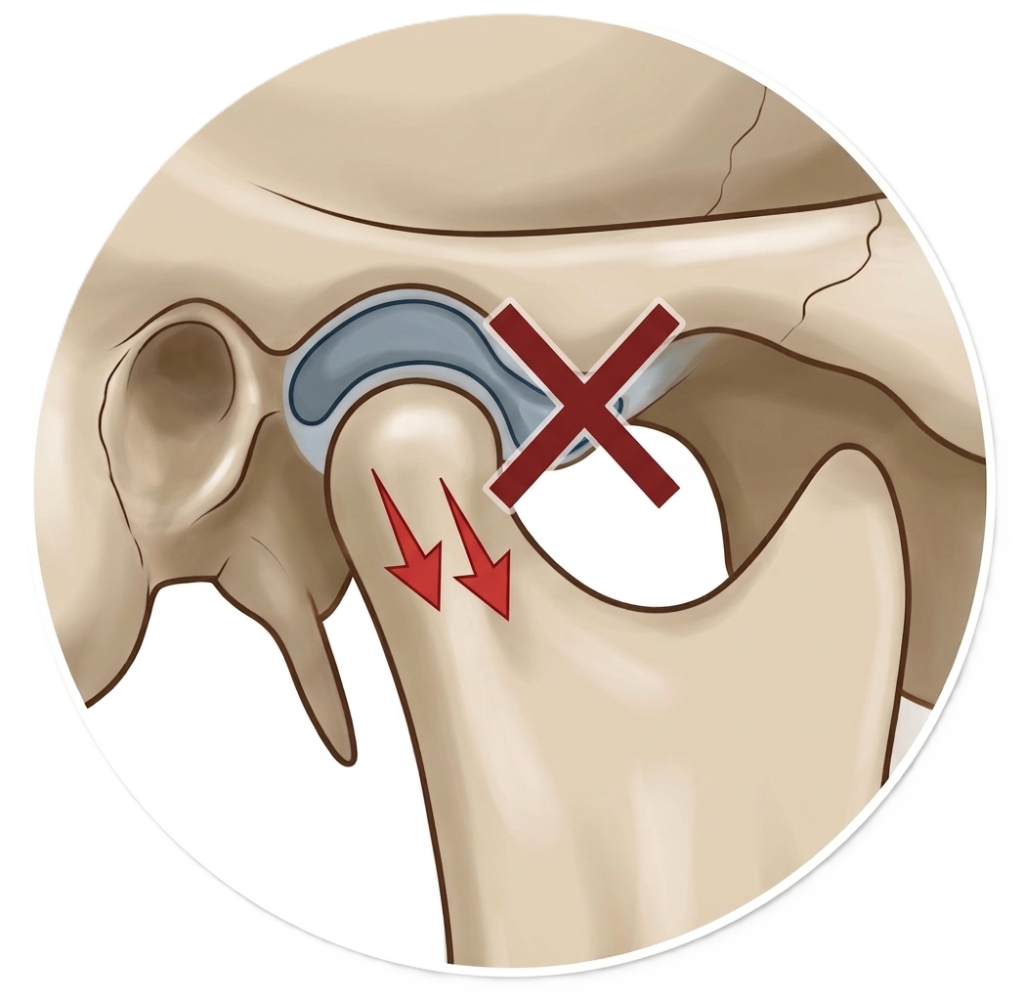
It catches, locks or will not open fully
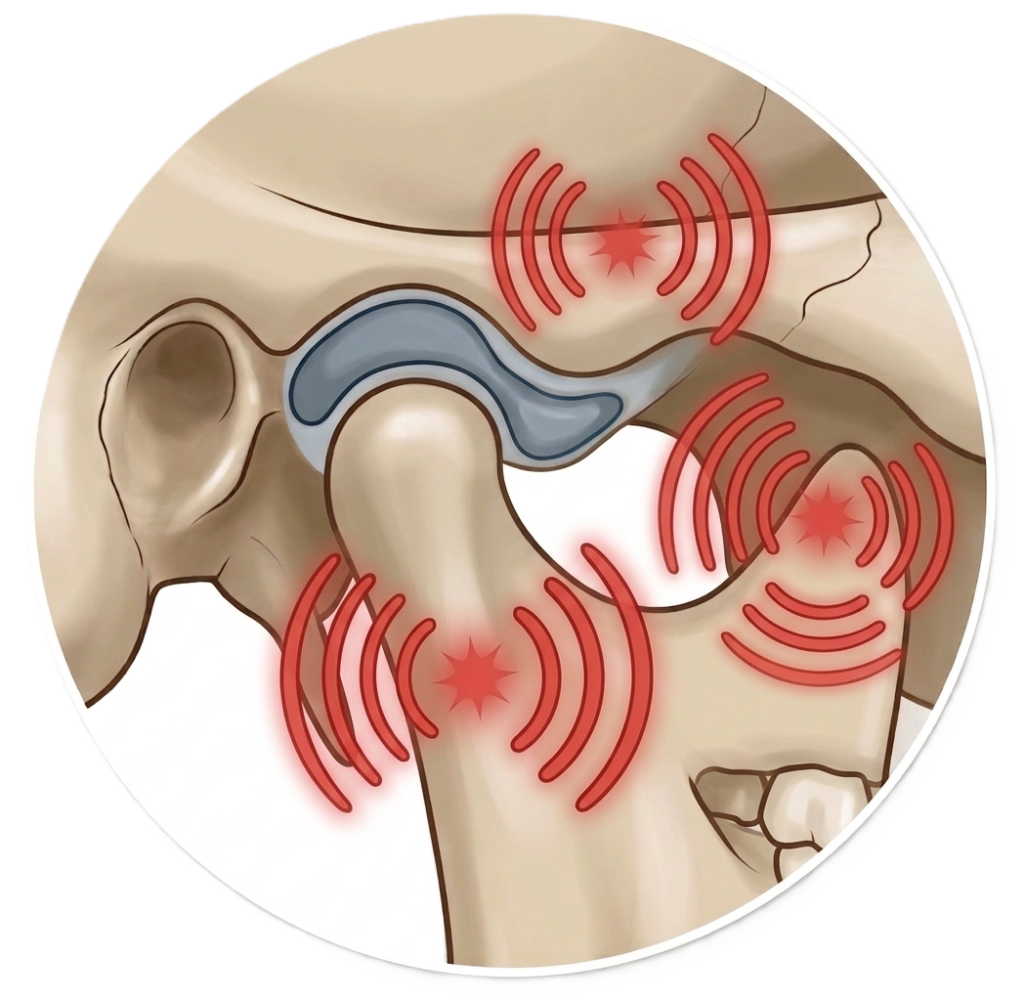
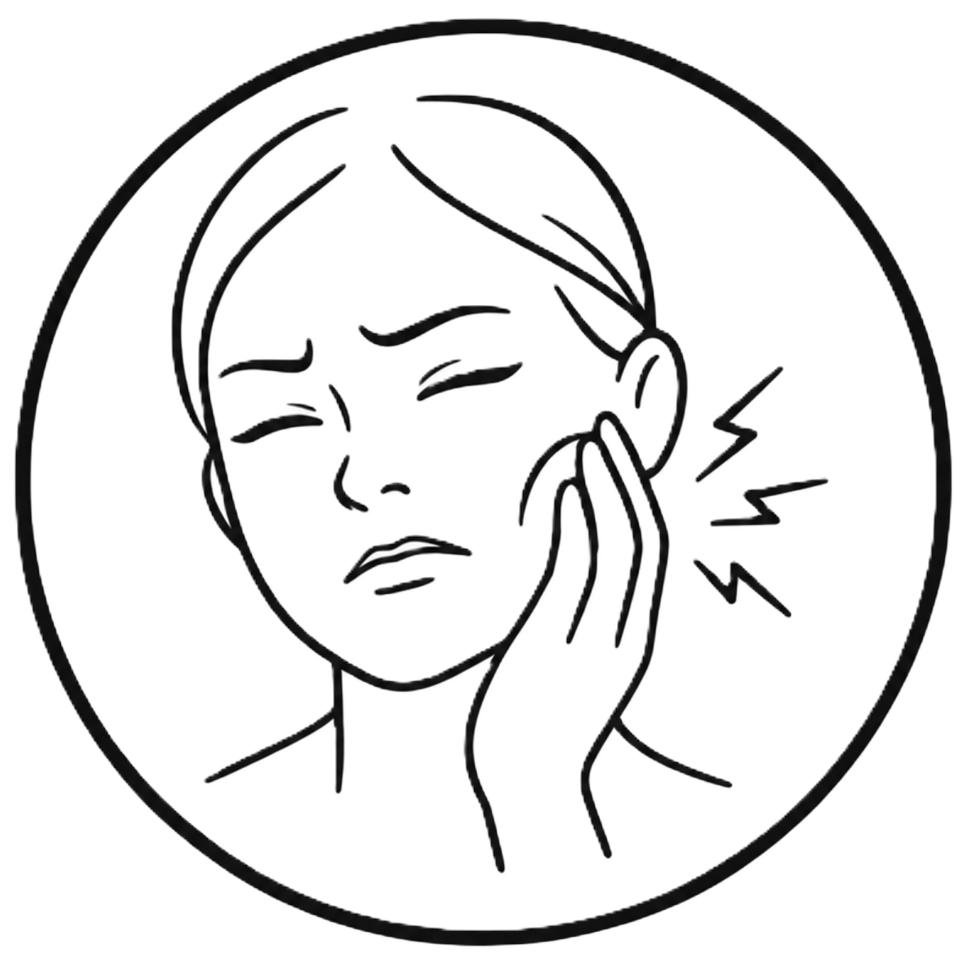
Aching in the jaw, cheek or temples
Waking with a stiff, tired jaw
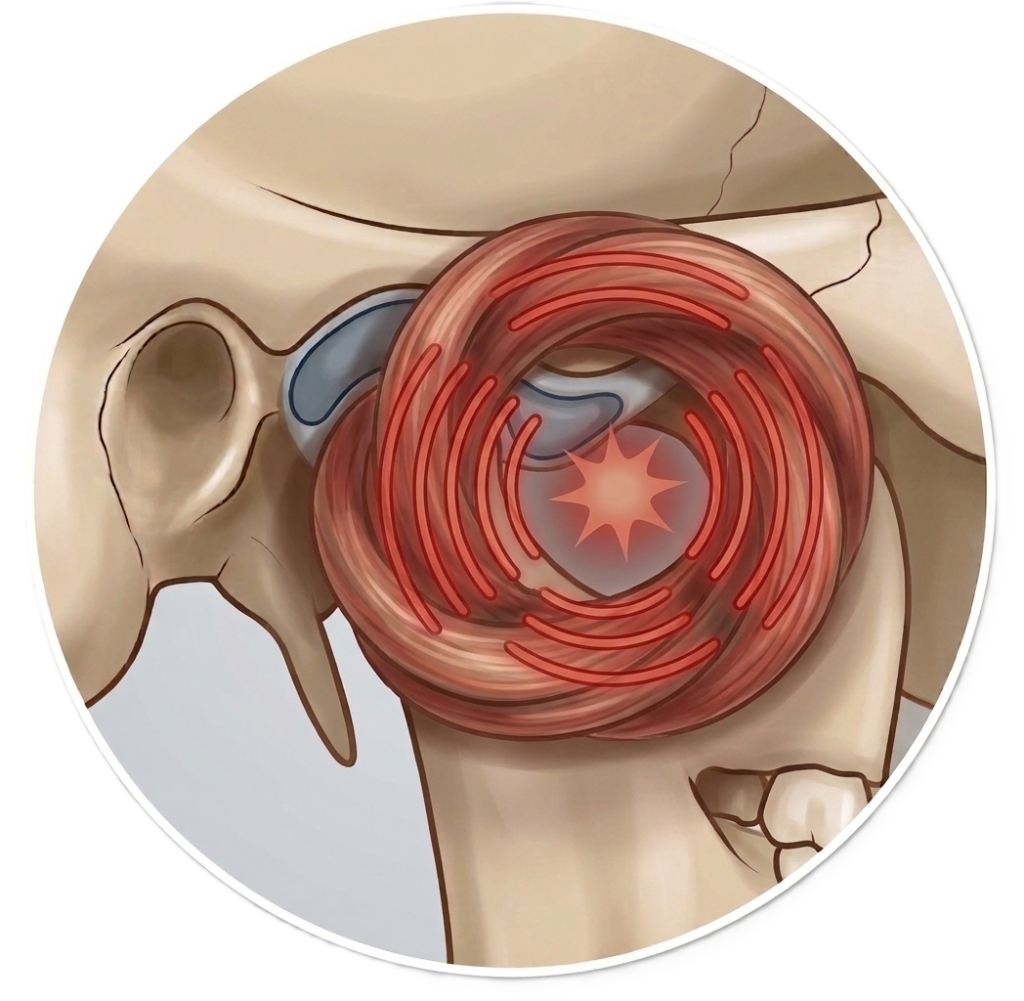
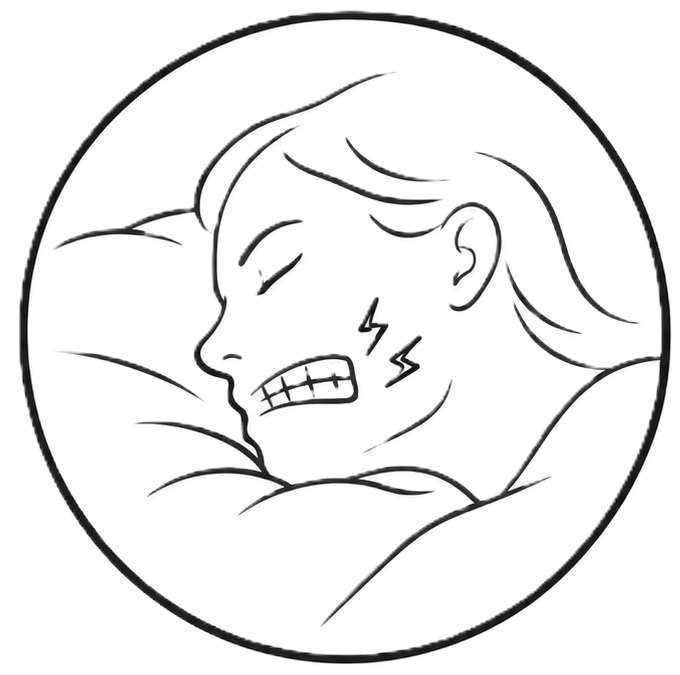
Clenching or grinding, awake or asleep
Headaches that seem to start at the temples
Neck tension that comes with the jaw pain
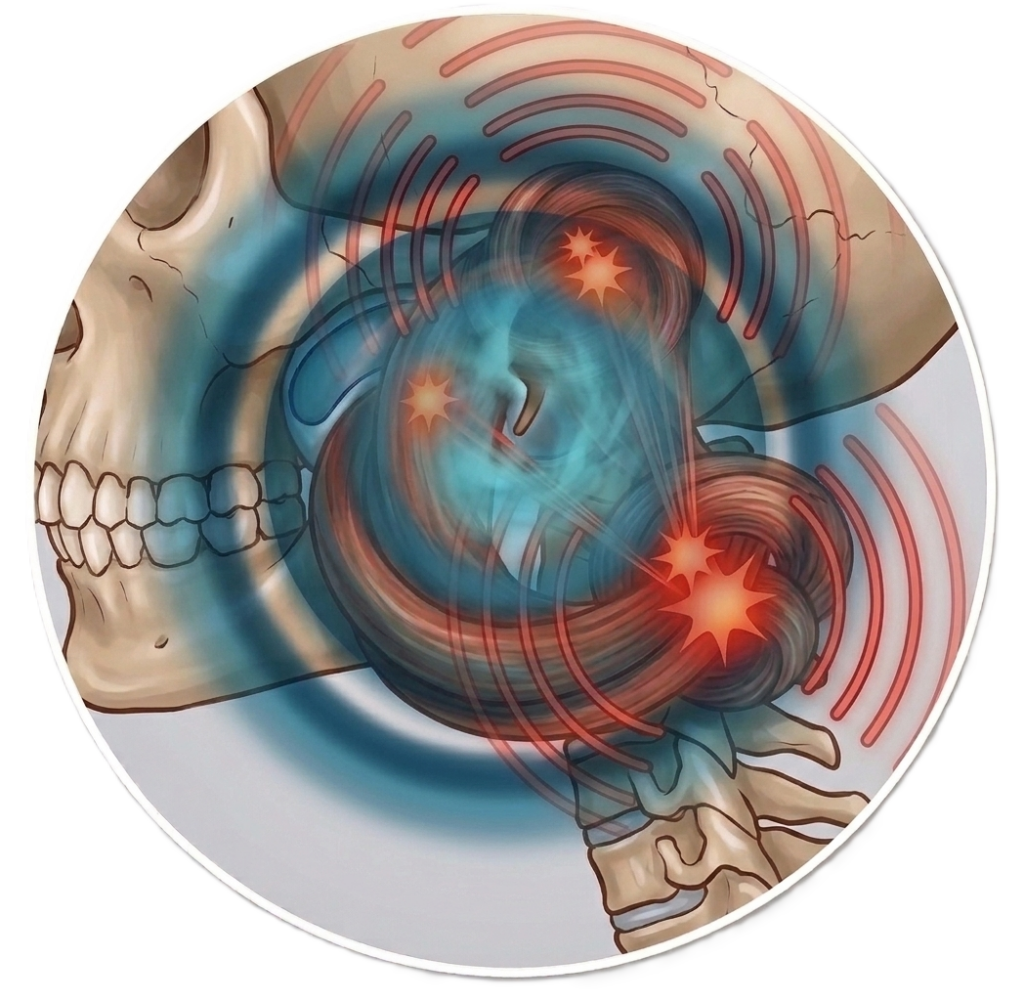
Pressure or fullness around the ear
You may already have seen a dentist or GP and still not know why it keeps happening. A painless click is very common and is not automatically a problem. It becomes worth assessing when it comes with pain, locking, limited opening or trouble chewing.
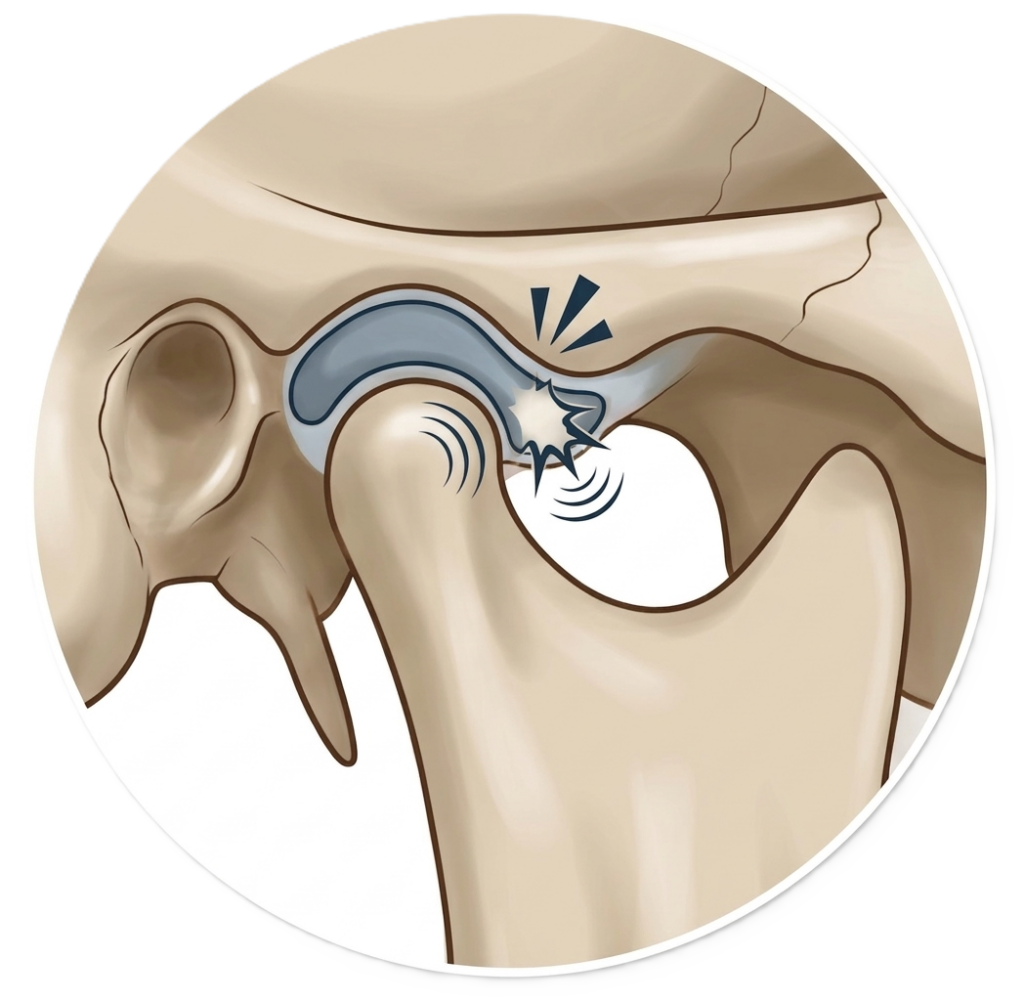
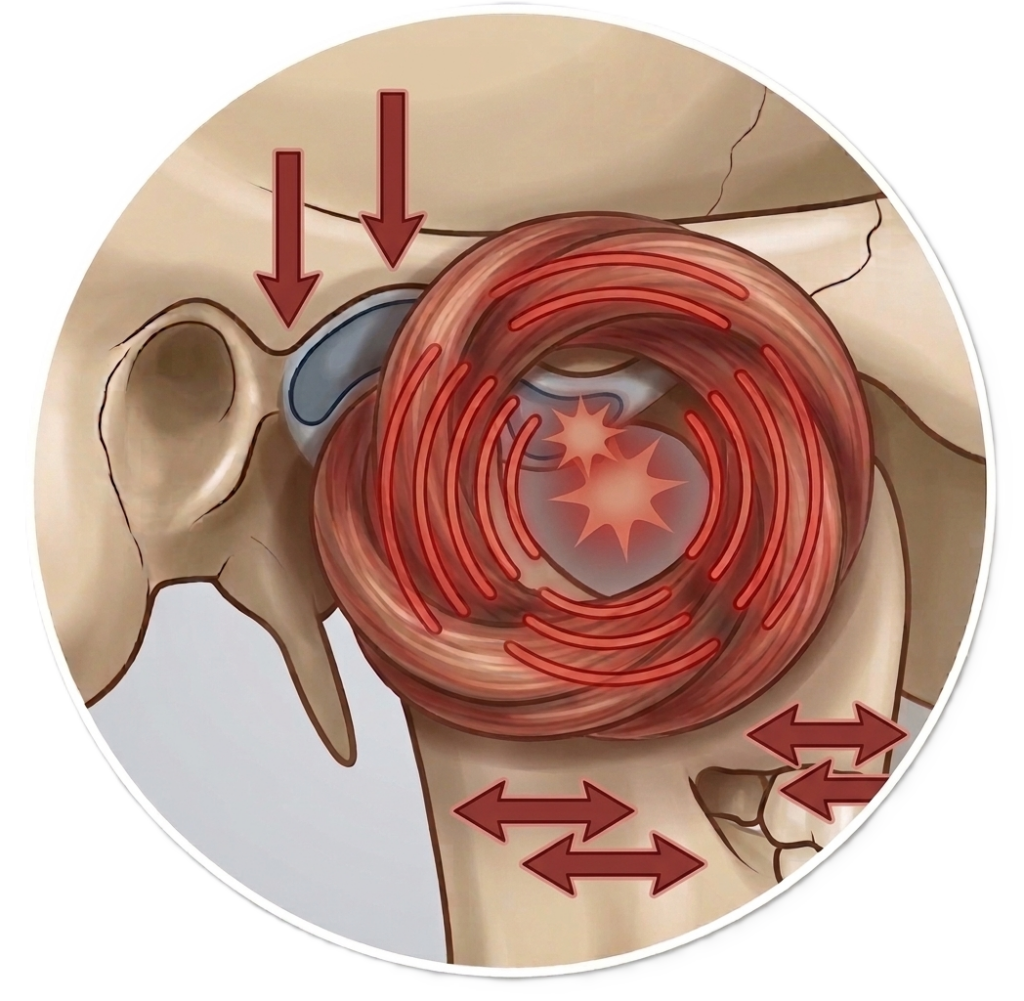
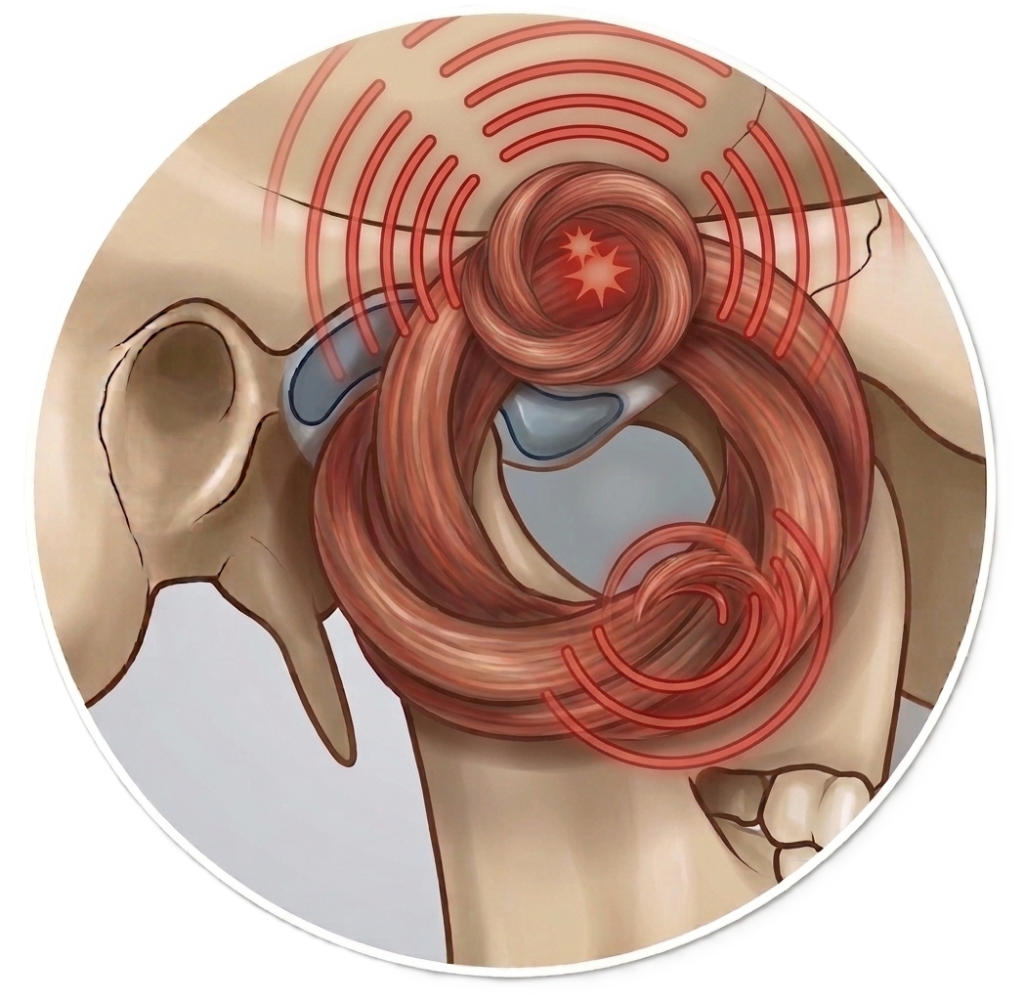
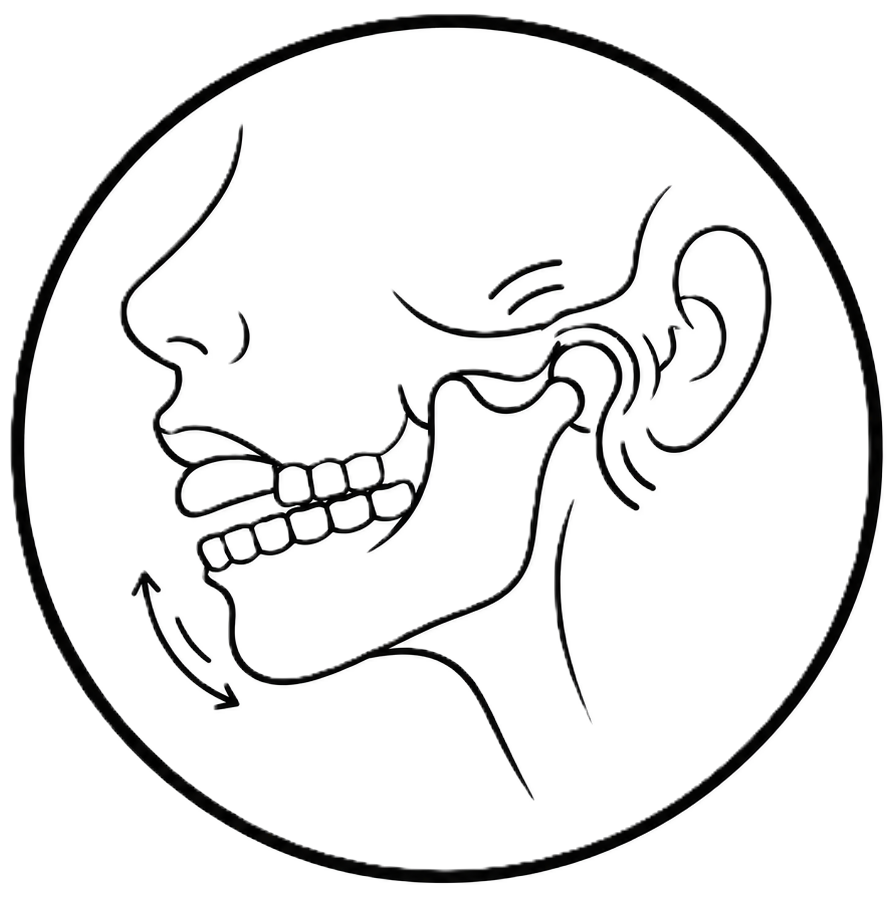
Your temporomandibular joints (TMJs) sit just in front of your ears, where the lower jaw meets the skull. They are among the most used joints in the body: every time you talk, chew, yawn or swallow, both joints and the chewing muscles (the masseter and temporalis) have to work together.
‘TMJ’ is the joint. ‘TMD’, temporomandibular disorder, is the umbrella term for problems with the joint, the jaw muscles or both. You will see both used here because both are what people search for. There is rarely a single cause, which is why two people with the same pain can need very different treatment.
Awake or asleep, it overloads the jaw muscles. Tooth wear or sensitivity means a dentist should check too.
if your jaw already moves a long way, forcing it further is the wrong answer.
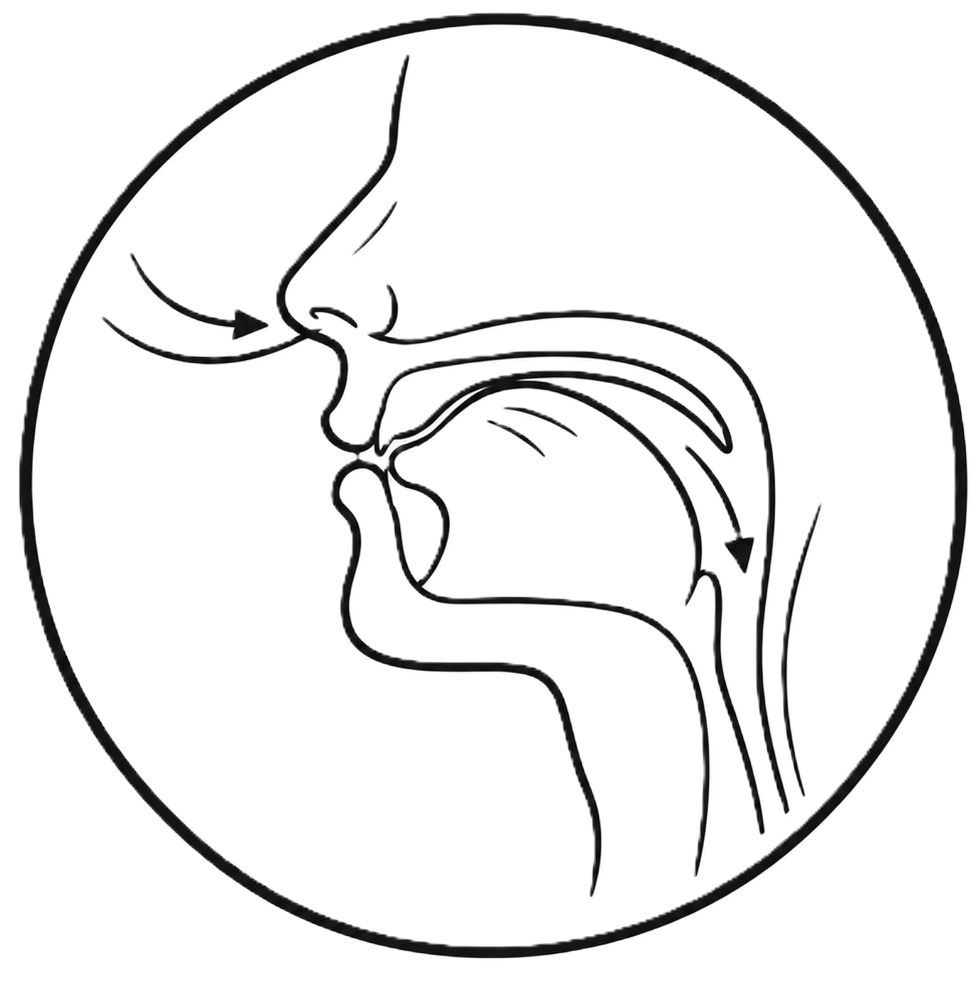
Because Anna is also a myofunctional therapist she checks these where relevant. They do not explain every case
Gum chewing, nail biting and other repetitive jaw habits.
A blow to the face or head, or long spells with the mouth open. Dental treatment does not automatically cause TMD, so Anna takes a careful history rather than assuming.
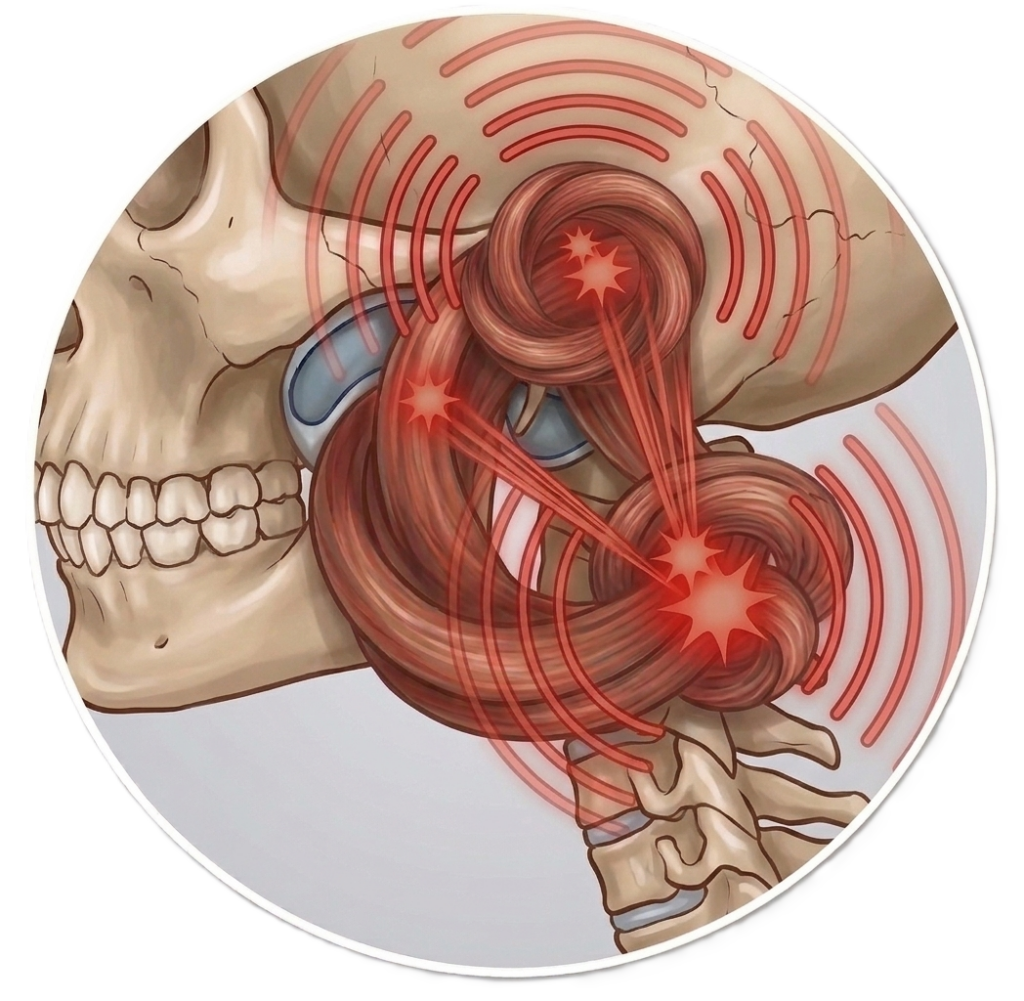
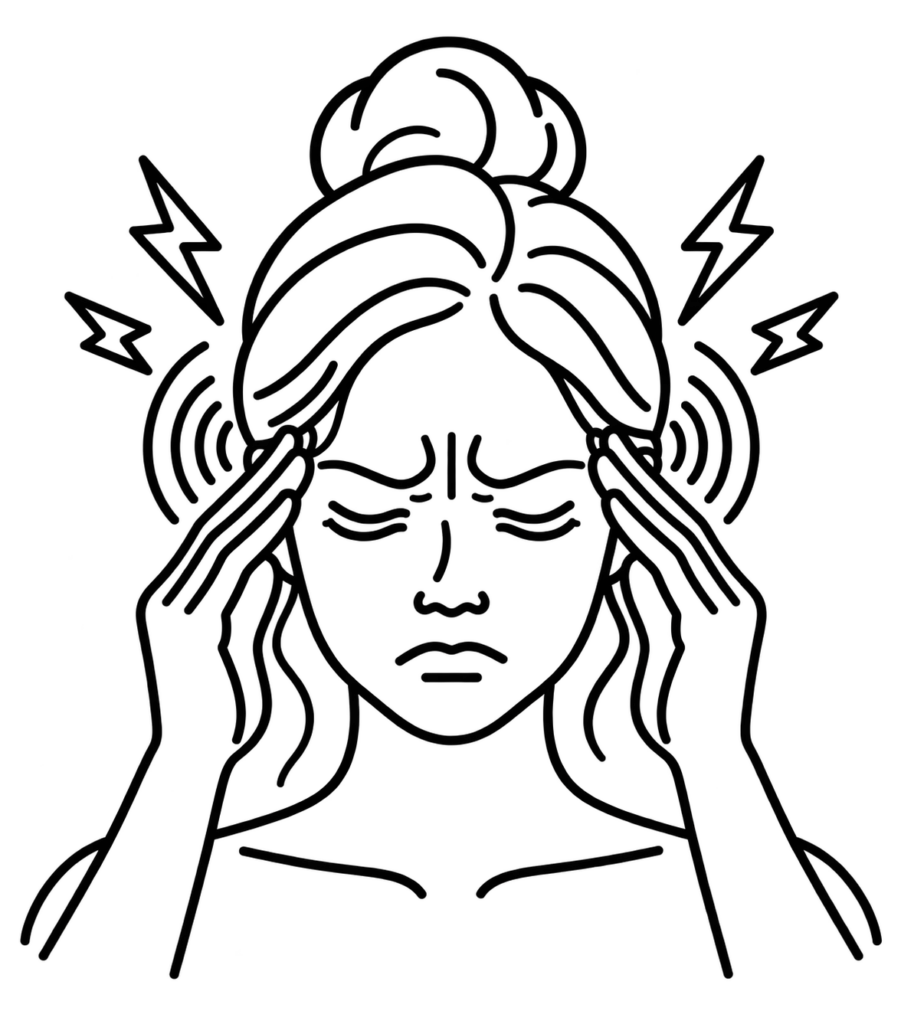
The temporalis muscle covers the side of your head, so TMD can be linked to temple headaches. New, severe or unusual headaches always need medical assessment.
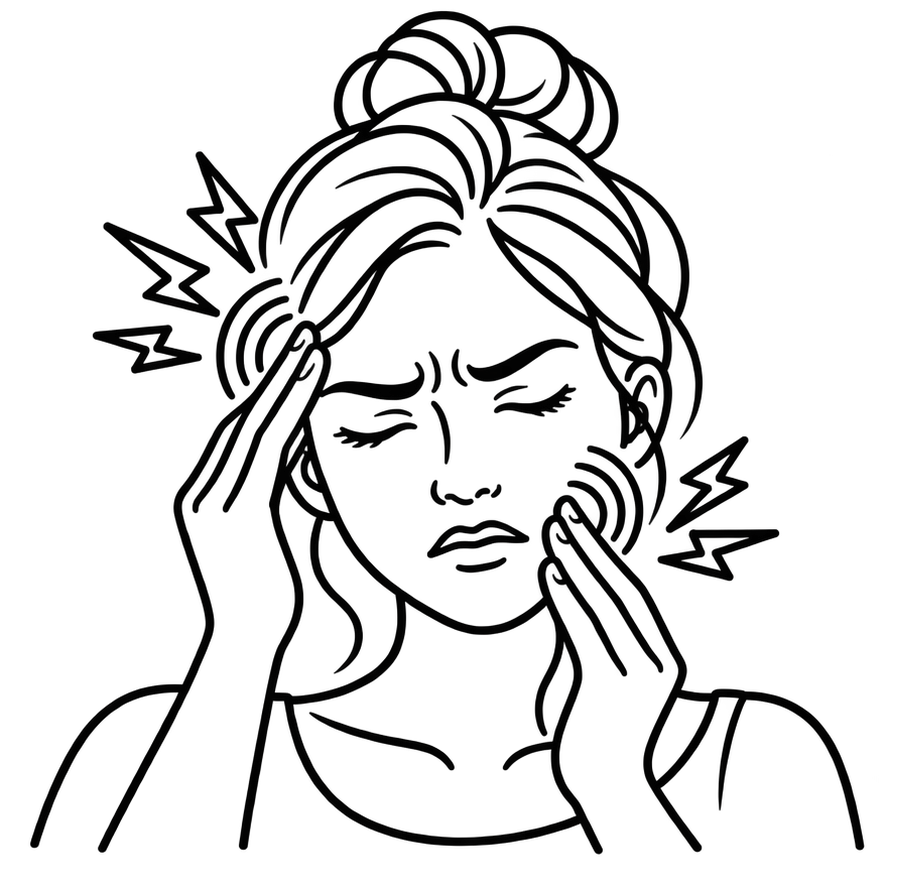
Pain can be felt in the cheek or temple rather than over the joint, so Anna works out whether it is joint, muscle or both.
Jaw and neck problems often travel together. Anna assesses both without assuming one causes the other.
The joint sits right in front of the ear, so earache, pressure or fullness can go with TMD. Persistent or unexplained ear symptoms should also be checked by your GP, dentist or ENT.
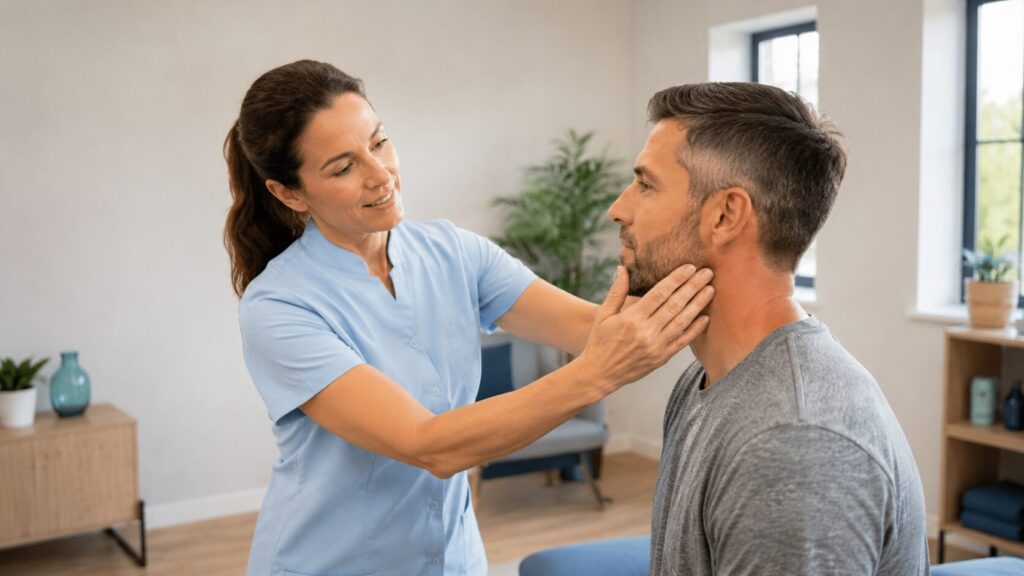
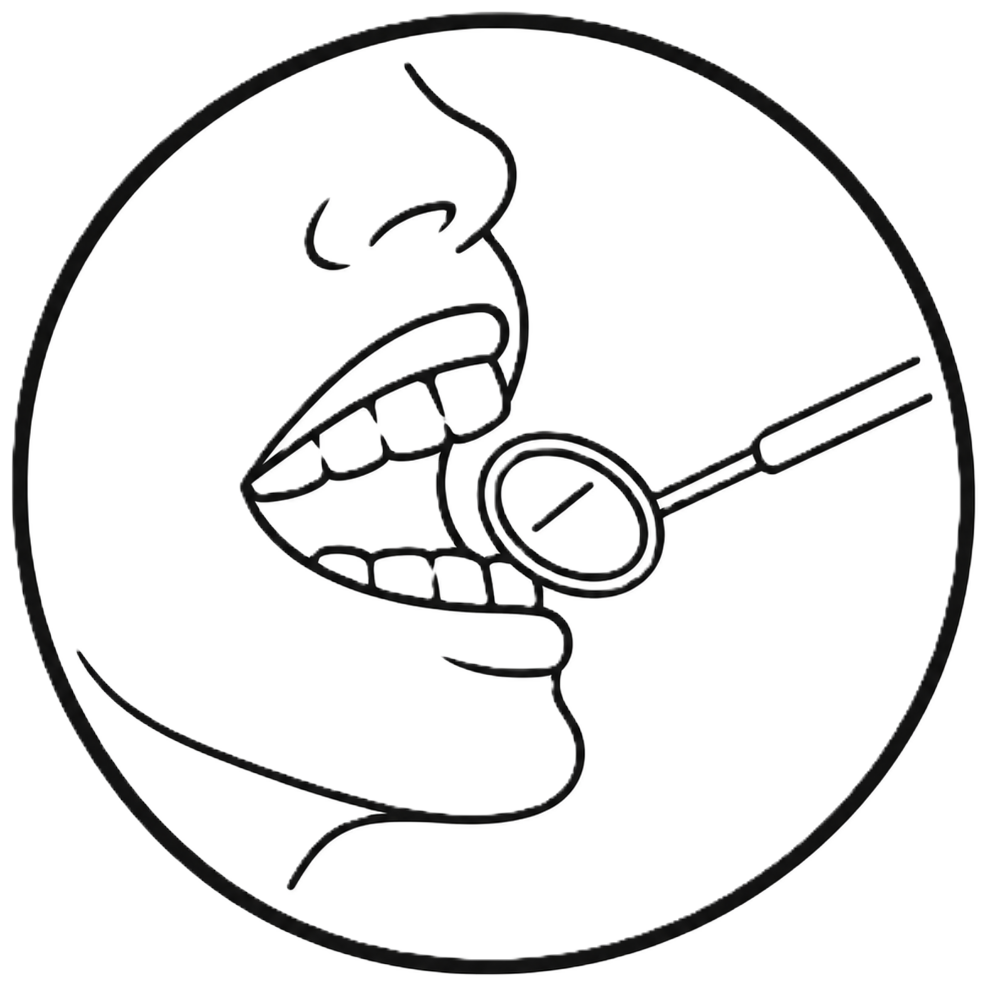
Anna takes the time to listen to your concerns and understand your health history, then looks for the root causes, not just the sore spot. She starts with your story: when it began, where it hurts, clicking or locking, morning stiffness, clenching, previous dental work or injury, headaches, neck and ear symptoms. She then checks how far and how evenly your jaw opens, how it tracks, and which movements bring on symptoms, plus the muscles of the jaw, face and neck. With your consent, where relevant, that can include the inside of the mouth. If tongue posture, swallowing or lip posture look relevant, she checks those too.
There is no fixed number of sessions. Every plan is a personalised one, built around your findings and your lifestyle. Anna reviews your progress as you go, and if things are not changing as expected she will rethink the approach and talk through referral or further tests.
I have seen Anna regularly for a few years and every time I leave the practice I feel relaxed, straighter and pain free. Typically carrying stress in my back, Anna not only treats the area of pain, but has a holistic approach, and gives advice on exercises, stretches, and breathing techniques to take away. She knows just what you need: a specific adjustment after massage to release tension, to a ‘maintenance session’ and five minute relax at the end. Anna has treated the whole family with various injuries and growing pains and I can not recommend her enough!
Despite a busy practice, Anna rescued me when I was in agony and unable to move, let alone get out of bed. She quickly got me up on my feet and gave me exercises to keep me mobile until the next visit. I cannot fault her. She’s not just a fantastic practitioner but a lovely person as well. She always puts others before herself. In fact she’s so highly respected that she doesn’t need to scrape around for work and genuinely only treats you when you need it. She is a most professional person and comes very highly recommend from me.
Anna recently treated me for tennis elbow and back pain. I couldn’t be happier – both symptoms improved rapidly. On top of this, Anna gave me some helpful advice to prevent them from recurring. I was really impressed with the personable and professional service, and would recommend Anna to anyone

I have been treated by Anna for a few years now to address niggles received from training and love that she not only addresses the immediate problem, but works to help correct some the underlying issues too. Very knowledgeable and professional.
I cannot recommend Anna highly enough! Against all odds, when I was told I would need spinal surgery to just be able to walk without any pain, to now training 5 times a week and being able to run again, I have so much to thank Anna for!
I have been seeing Anna for a few years now after struggling with migraines. She has not only helped me immensely but was the first person I’d seen to get to the root of the problem. Along with being a brilliant therapist, her advice and aftercare is invaluable. I can’t recommend the clinic highly enough

My wife and I – plus my two grown-up daughters – have all seen Anna at one point or another over the last two/three years. She is absolutely fantastic. What you get is what you need – reassurance, matter-of-fact advice and most importantly – pain relief. Anna also gives you some simple stretches and exercises that help mitigate any future problems. Before meeting Anna I had seen a number of other osteos and she is the best by a mile. Highly recommended.
I’ve been seeing Anna for a couple of years, most recently i’ve had problems in my upper back. Anna has given mobilisation and massage that have made a huge difference. She also sent me away with exercises to improve my muscle strength and posture. The practice is lovely modern facility, clean and bright and the atmosphere is very relaxing. There is no pressure to have extra appointments and I will happily return if and when I get another issue.
Friendly and professional and most of all…effective! I had a really comprehensive assessment with Francesca who helped with a range of postpartum pelvis and back issues. I was given a variety of different exercises to do at home and after just a couple of weeks I’ve noticed a huge improvement. Thanks Francesca and Anna.
Good jaw care means knowing when a problem needs something other than osteopathy. Anna will tell you, and refer you to a different practitioner where necessary.
Clicking can happen when movement of the small disc inside the joint changes as the jaw opens and closes. On its own it is common and not necessarily a sign of damage. If it comes with pain, locking or limited opening, get it assessed.
There are several possible reasons, including changes in joint movement, the disc and the surrounding muscles. Recurrent locking should be assessed, not assumed to be simple muscle tightness.
They are associated with jaw pain and put extra load on the chewing muscles. Grinding can also wear teeth, so see your dentist if you notice wear or sensitivity.
Sleep clenching or grinding may be part of it, along with muscle tension and other jaw factors. Anna looks at your morning symptoms alongside your wider history.
They can, particularly around the temples and in front of the ear. But headaches and ear symptoms have many causes, and new, severe or persistent symptoms need medical assessment.
Jaw and neck symptoms often coexist. Where it is relevant, Anna assesses both without assuming either causes the other.
Not necessarily, you can book directly. If your symptoms need dental investigation, Anna will say so. Significant tooth pain or dental damage should not wait for an osteopathic appointment.
There is no set number. Some cases are straightforward, others are longstanding or have several contributing factors. Anna reviews progress and discusses whether more treatment is worthwhile.