
Why Recovery Matters for Active People
Exercise Stress, Adaptation, and Tissue Load
Why Recovery Is Not Just for Injured Athletes
Common Recovery Mistakes in Recreational Exercise
If you’re unsure about how osteopathy affects the body or have questions about concepts like “toxin release,” our osteopaths at Key Osteopaths are here to provide clear, evidence-based guidance. We support patients across West Byfleet, Woking, Weybridge, Guildford, Ripley, Cobham, and the surrounding Surrey areas, helping you understand what treatment can and cannot do. Our approach focuses on improving movement, easing mechanical strain, and supporting the body’s natural recovery processes so you can feel more comfortable, informed, and confident in your care.Anna, Principal Osteopath at Key Osteopaths
How Exercise Affects the Body Beyond Muscle Soreness
Joint Load, Repetition, and Movement Efficiency
Muscle Imbalances and Compensatory Patterns
Fatigue, Reduced Recovery, and Injury Risk
How Osteopathy Supports Sports and Exercise Recovery
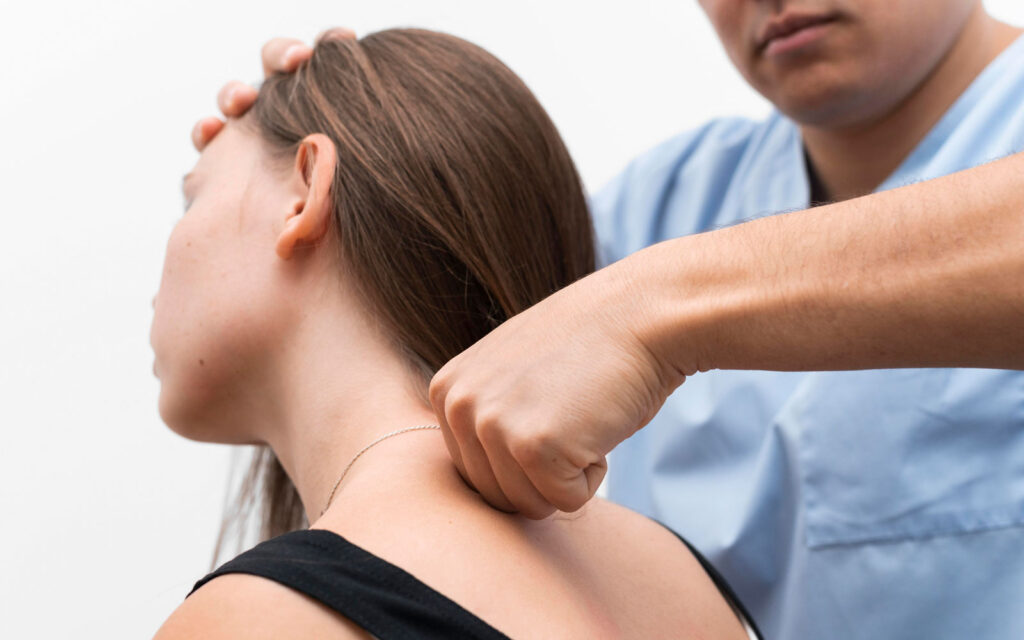
Assessing Movement Patterns and Load Tolerance
Supporting Mobility, Tissue Health, and Efficient Movement
Osteopathic techniques aim to improve mobility where movement is restricted and reduce unnecessary muscular effort where tissues are overworking. This can help restore more balanced movement patterns, making training feel smoother and less taxing on specific areas. For many active people, improved movement efficiency supports better recovery between sessions rather than chasing short-term symptom relief.
Osteopathy as Part of a Broader Recovery Strategy

MEET THE
team
Rosie treated our baby boy for and it made a huge difference. After the treatment he started sleeping better and crying less. A big relif

 Richard Sprake
Super helpfull, friendly and informative. Cant recommend highly enough.
 Ashley Holloman
I had a fantastic treatment from Anna. She really got to the root of problem and gave me great advice to improve my form and help me to prevent further… read more injury.
 James Martin
Improving Flexibility and Movement Quality
Flexibility Versus Useful Range of Motion
Why Stiffness Often Reflects Load Rather Than Tight Muscles
Supporting Movement Without Overstretching
Managing Muscle Imbalances and Repetitive Strain
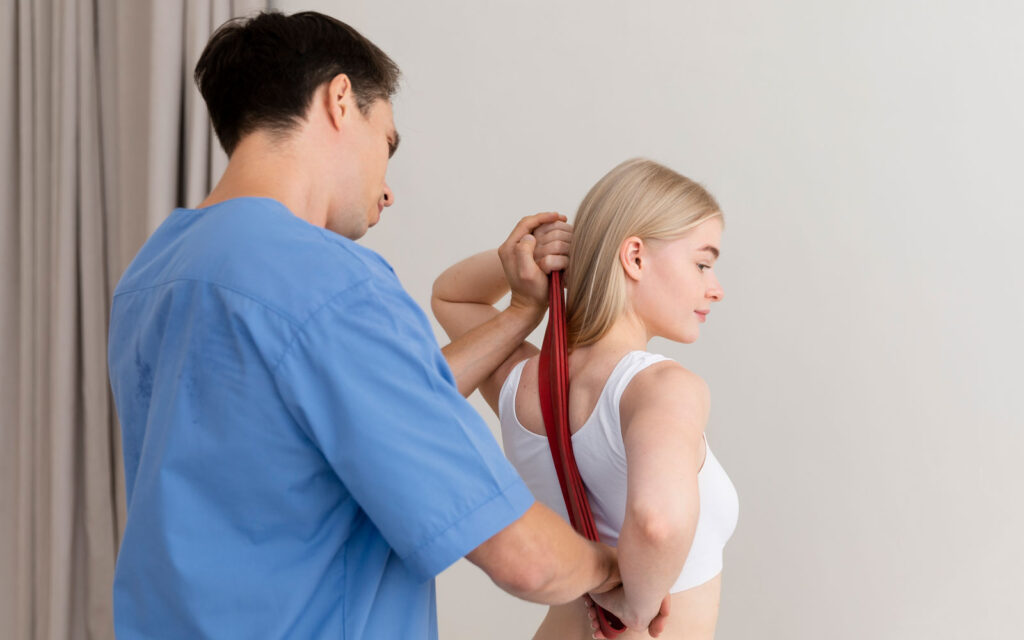
How Repetitive Exercise Creates Imbalances
Recognising Early Signs of Overload
Addressing Minor Issues Before They Limit Training
Myself, my husband, my son and my daughter have all seen Anna over the past few years for either neck, back, knee, shoulder or elbow problems. She has always managed… read more to help with whatever issue we’ve had, she is very professional but also has a very friendly, caring and lovely manner. we would all highly recommend her.
 Kerry Bartter
I have been seeing Francesca for a few years now, initially for severe back pain which she was able to identify the source of and alleviate really quickly. Now… read more I see her on a fairly regular basis (my choice), so that she can make sure problems aren’t reoccurring and also deal with any new aches and pains I inevitably pick up along the way. I feel she has an intuitive instinct backed by her advanced qualifications and regularly recommend her to others.
 Anne Eastwood
Anna has been brilliant, not only helping me getting rid of my neck pain, but also teaching me how to keep my body strong and healthy. Very professional, yet friendly,… read more and explains everything she does. Would highly recommend.
 Lucia Mosko
Recovering From Training Without Stopping Activity
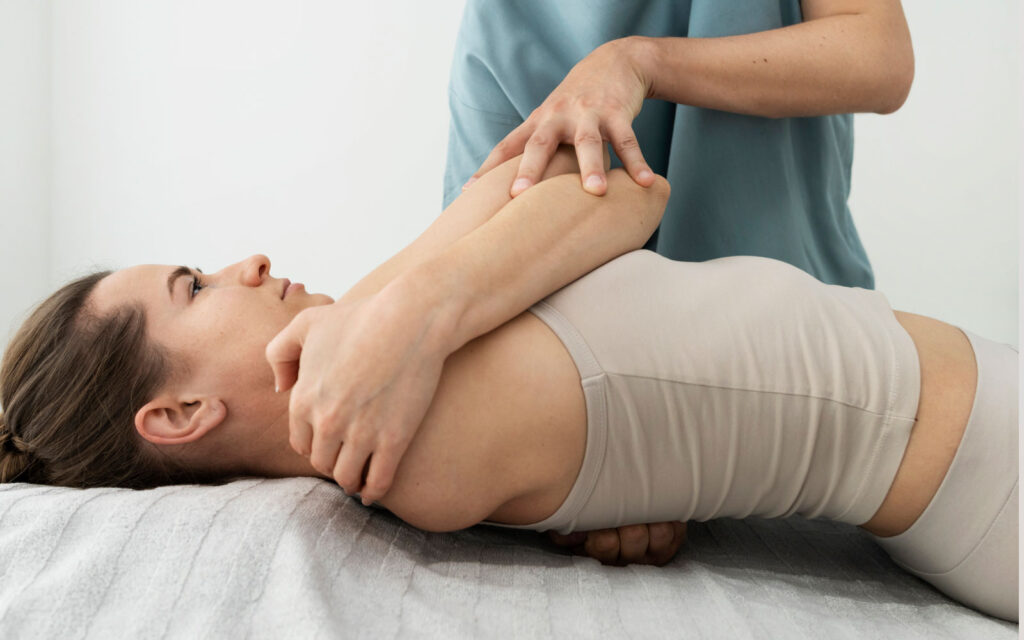
Active Recovery and Load Modification
Balancing Training, Work, and Everyday Demands
When Rest Alone Is Not Enough
Osteopathy for Runners, Gym-Goers, and Weekend Sports
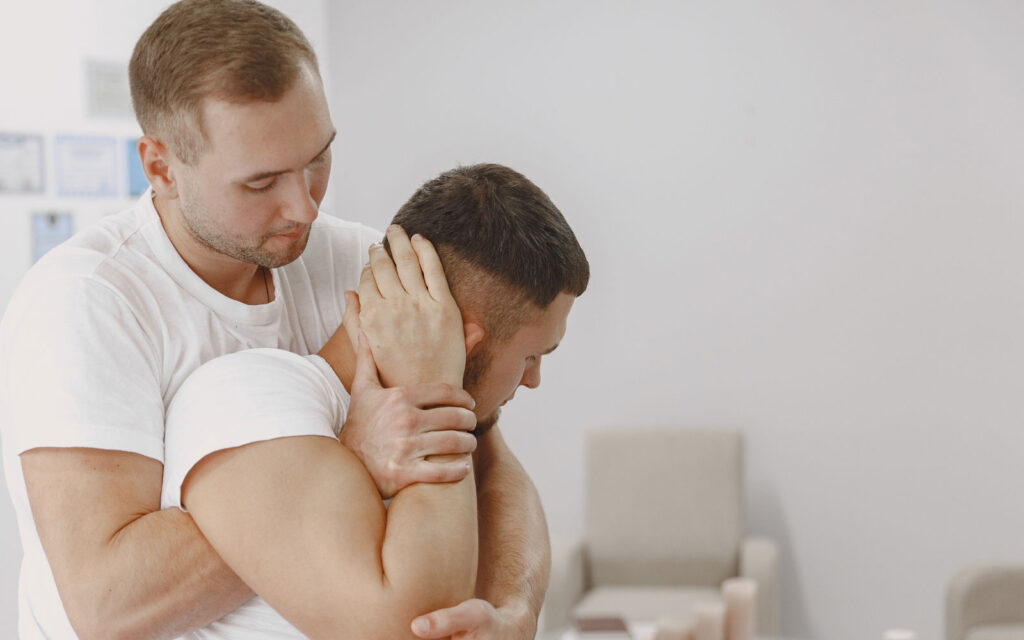
Running, Impact Load, and Recovery Needs
Strength Training, Mobility, and Joint Stress
Problems often arise not because strength training is harmful, but because certain joints or tissues are working harder to compensate for restricted movement elsewhere. Osteopathic assessment helps identify these compensatory patterns, such as limited thoracic movement increasing shoulder stress or reduced hip mobility increasing load through the lower back.
Team Sports, Intermittent Load, and Injury Prevention
Osteopathy can support people involved in football, rugby, tennis, hockey, and similar activities by assessing how well joints and muscles cope with these rapid changes in load. Reduced movement options, residual stiffness from previous injuries, or poor recovery between games can all increase injury risk.
Fantastic service! Anna has worked her magic when I’ve been in real pain. She’s professional, honest and is always smiling – I couldn’t recommend more highly !
 Lorraine
After years of visiting chiropractors, I have decided to try osteopath services. Anna is very skilled and knowledgeable as well as warm and friendly. Each session improved my condition… read more and I always left feeling pain-free. I would highly recommend Anna’s services.
 Ania Prochon
Anna and Francesca are amazing osteopaths. Have really helped me with my neck issues!
 JGarnes Music
How Osteopaths Work Alongside Training and Fitness Goals
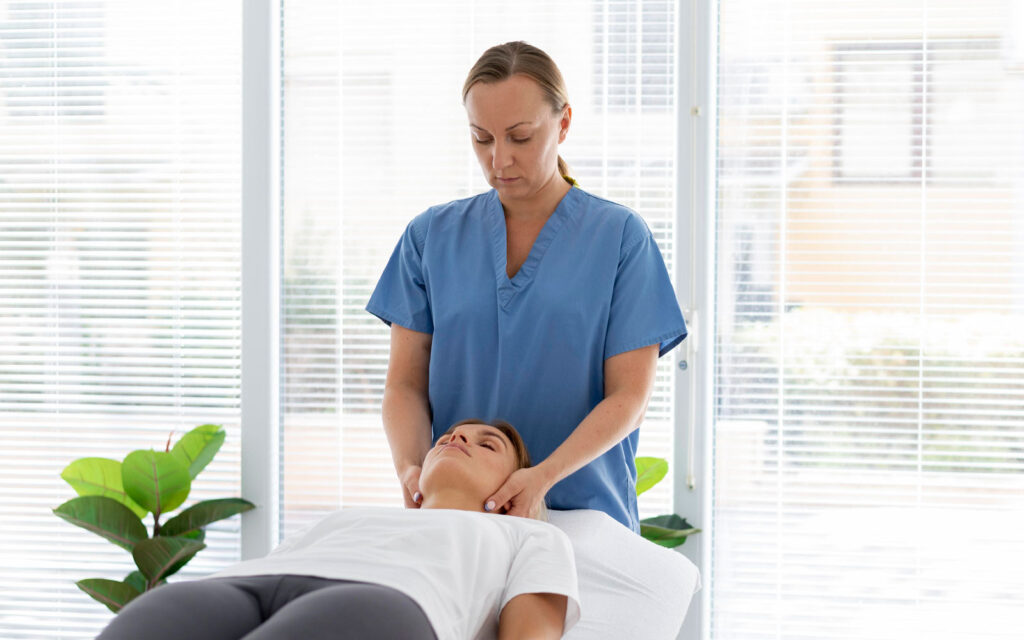
Supporting Performance Without Overpromising
Working Alongside Coaches, Physios, and Trainers
Building Long-Term Physical Resilience
Bringing Osteopathy Into an Active, Sustainable Routine

When to Consider Professional Support for Recovery
Supporting Active Lives at Key Osteopaths
Frequently Asked Questions About Osteopathy and Exercise Recovery
Can osteopathy help me recover faster from workouts?
Osteopathy can support recovery by addressing physical factors that may slow it down, such as restricted joint movement, increased muscle tension, or inefficient movement patterns. By improving how load is distributed through the body and supporting comfortable movement, some people find that post-exercise soreness settles more easily and that they feel ready to train again sooner.
However, osteopathy does not override the need for adequate rest, sleep, nutrition, and sensible training progression. Recovery is multifactorial, and osteopathy should be seen as one supportive element rather than a shortcut.
Is osteopathy only for sports injuries?
No. While osteopaths often treat sports injuries, osteopathy is not limited to injury care. Many people who attend are active but not injured and want support with recovery, stiffness, or recurring niggles that have not yet stopped them exercising.
Osteopathy is commonly used by runners, gym-goers, and people who play sport recreationally to help manage training load, movement efficiency, and physical resilience rather than to treat acute injuries alone.
Should I see an osteopath if I exercise regularly?
You do not need to see an osteopath simply because you exercise regularly. Many people manage well with good training habits and recovery strategies alone.
An osteopathic assessment may be helpful if you notice recurring soreness in the same areas, stiffness that does not ease with warm-up, reduced movement on one side, or frequent minor setbacks that interrupt training. The decision should be based on individual need rather than routine attendance.
Can osteopathy improve performance as well as recovery?
Osteopathy does not directly improve fitness, strength, or endurance. Those adaptations come from training. What osteopathy can do is help remove physical barriers that may limit efficient movement, such as joint restriction, excess tension, or compensation patterns.
By supporting more comfortable, balanced movement, some people find they can train more consistently or with less discomfort, which may indirectly support performance over time. Osteopaths avoid making claims about performance enhancement and focus instead on physical function and tolerance.
How do I know if exercise soreness needs assessment?
Normal post-exercise soreness usually settles within a few days and improves as you move. Assessment may be sensible if soreness is persistent, worsening, localised to one area, or repeatedly returning after the same type of activity.
Other reasons to seek assessment include pain that alters how you move, discomfort that builds during exercise rather than easing, or symptoms such as sharp pain, swelling, or reduced strength.
If you are unsure, the osteopaths at Key Osteopaths can assess whether what you are experiencing is part of normal training adaptation or something that would benefit from targeted support.