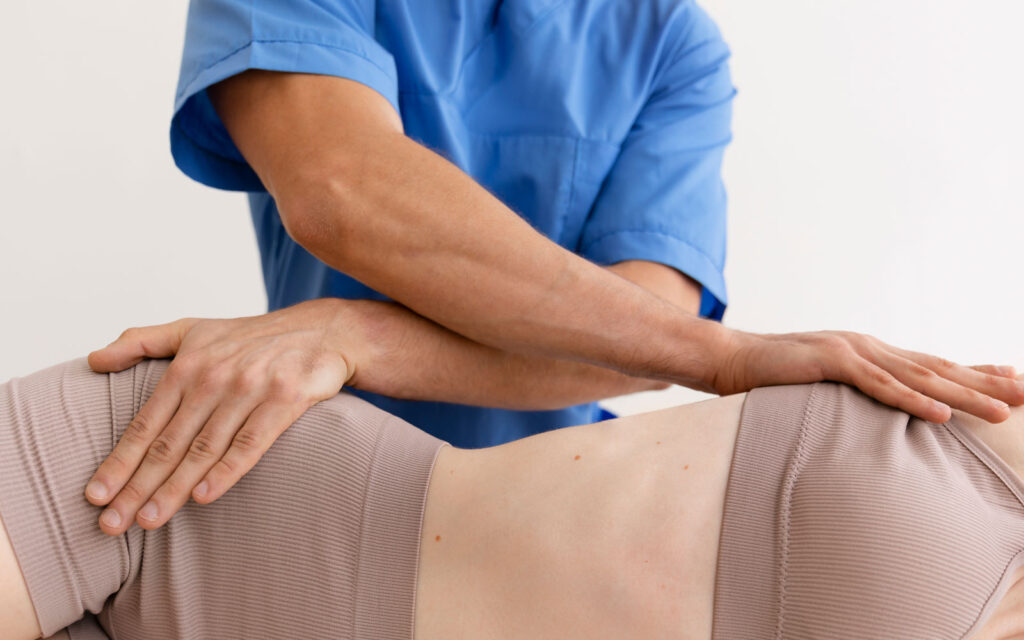
When you are dealing with neck pain, back pain, or ongoing muscle discomfort, it is common to wonder whether massage or osteopathy is the better option. Both approaches involve hands-on care and can feel similar at first glance, yet they serve different purposes and are suited to different types of problems.

Understanding the difference between massage therapy and osteopathic care can help you choose the most appropriate approach for your symptoms, avoid unnecessary delays in recovery, and feel more confident about the care you are receiving.

Why Recovery Matters for Active People

Massage and osteopathy are frequently compared because both involve manual techniques and are commonly used for musculoskeletal pain. However, the similarity often ends there. The reason many people are unsure which to choose is that pain itself does not always make the underlying cause obvious.

Common Reasons for Neck, Back, and Muscle Pain

Neck, back, and muscle pain are rarely caused by a single factor. They often develop as a result of a combination of:
  • Prolonged sitting or desk-based work
  • Repetitive movements or physical work
  • Exercise or sport-related strain
  • Stress-related muscle tension
  • Reduced movement or stiffness over time
Because these symptoms can feel muscular on the surface, many people naturally assume massage is the most suitable option. In some cases, that is true. In others, the discomfort is being driven by joint restriction, altered movement patterns, or recurring mechanical strain that massage alone may not fully address.

Choosing the Right Approach When You’re in Pain

When pain is new, mild, and clearly muscular, massage can feel like a logical first step. It can help reduce tension, ease soreness, and promote relaxation. However, when pain is persistent, keeps returning, or is affecting how you move, work, or sleep, choosing an approach that includes assessment and clinical reasoning becomes more important.
Osteopathy differs in that it involves a full assessment of how the body is functioning, not just where pain is felt. This can help identify why symptoms are present and whether hands-on treatment, advice, rehabilitation, or referral is the most appropriate next step.
Making the right choice early can reduce frustration and prevent short-term relief from turning into a cycle of recurring discomfort.

Why the Difference Is Not Always Clear

The difference between massage and osteopathy is not always obvious because osteopaths often use soft tissue techniques that feel similar to massage. This can create the impression that the treatments are interchangeable.

The key distinction lies not in how treatment feels, but in why it is being done. Massage primarily focuses on relieving muscle tension and promoting relaxation. Osteopathy uses hands-on techniques within a broader clinical framework that includes diagnosis, movement assessment, and long-term management.

At Key Osteopaths, we often see people who have tried massage for ongoing pain but find that symptoms keep returning. Understanding the underlying cause of pain, rather than repeatedly easing tension alone, is often the turning point in achieving longer-lasting relief.
If you’re unsure about how osteopathy affects the body or have questions about concepts like “toxin release,” our osteopaths at Key Osteopaths are here to provide clear, evidence-based guidance. We support patients across West Byfleet, Woking, Weybridge, Guildford, Ripley, Cobham, and the surrounding Surrey areas, helping you understand what treatment can and cannot do. Our approach focuses on improving movement, easing mechanical strain, and supporting the body’s natural recovery processes so you can feel more comfortable, informed, and confident in your care.
Anna, Principal Osteopath at Key Osteopaths

What Does a Massage Therapist Do?
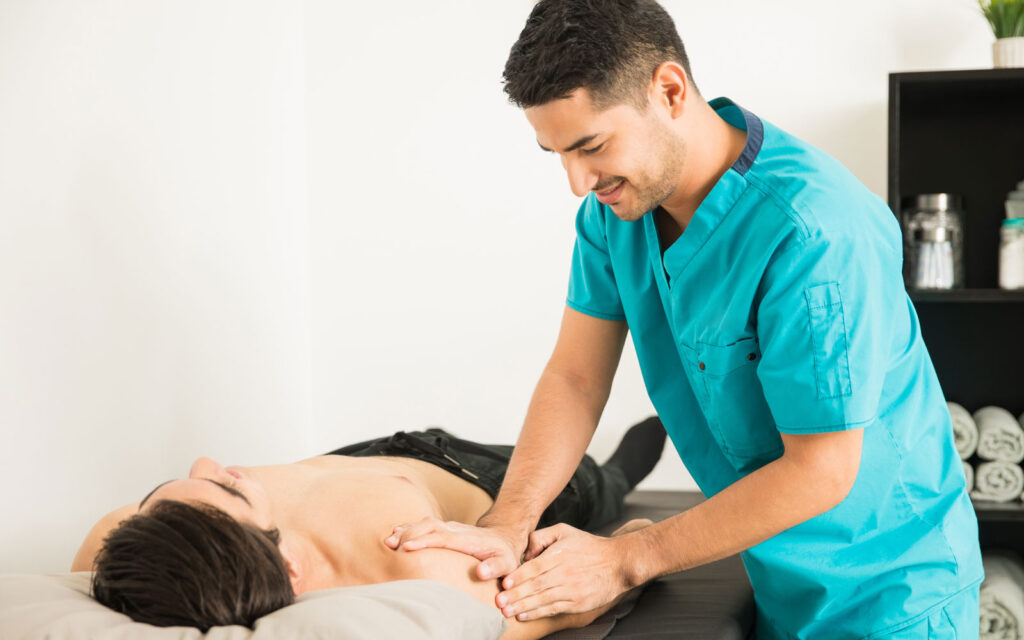
Massage therapy focuses primarily on the muscles and soft tissues of the body. The aim is to reduce tension, improve circulation, and promote relaxation through hands-on techniques applied to muscles and surrounding tissues. Massage can feel beneficial for many people, particularly when discomfort is linked to muscular tightness or general stress.
Understanding what massage does well, and where its limits lie, helps clarify when it is the right choice and when another approach may be more appropriate.

Focus on Muscles, Tension, and Relaxation

Massage therapists work mainly with muscles, fascia, and superficial soft tissues. Techniques may include deep tissue massage, sports massage, or relaxation-based approaches, depending on training and setting. The intention is to ease tight or sore muscles, increase blood flow, and help the body feel more relaxed.
For people experiencing general muscle tension, post-exercise soreness, or stress-related tightness, massage can provide noticeable short-term relief. Many people also find massage helpful for promoting relaxation and improving their sense of wellbeing, particularly during busy or physically demanding periods.
Massage does not usually involve a medical or biomechanical diagnosis. Treatment is guided by reported areas of tightness or discomfort rather than by a full assessment of joint function or movement patterns.

When Massage Can Be Helpful for Pain Relief

Massage can be helpful when pain is clearly muscular and relatively straightforward. Examples include:
  • General muscle soreness after exercise
  • Tension linked to stress or fatigue
  • Mild stiffness without significant movement restriction
  • Discomfort that improves with heat, rest, or gentle movement
In these situations, easing muscle tension may reduce discomfort and help you feel more comfortable day to day. Some people also use massage alongside other forms of care as part of their recovery or self-care routine.
At Key Osteopaths, we often see patients who continue to use massage alongside osteopathic care when muscle tension is a contributing factor rather than the main driver of pain.

Limitations of Massage for Ongoing or Complex Pain

Massage has clear limitations when pain is persistent, keeps returning, or is linked to deeper mechanical issues. If symptoms are driven by joint restriction, altered movement patterns, nerve irritation, or recurring strain, relaxing muscles alone may provide only temporary relief.

People sometimes find that massage helps for a few days, but discomfort quickly returns because the underlying cause has not been addressed. This can lead to repeated appointments without lasting improvement, which can be frustrating and costly over time.

Massage therapists are not trained to diagnose medical or musculoskeletal conditions or to assess when pain may need further investigation. When symptoms are complex, worsening, or affecting function, an approach that includes clinical assessment and diagnosis is often more appropriate.

What Does an Osteopath Do Differently?
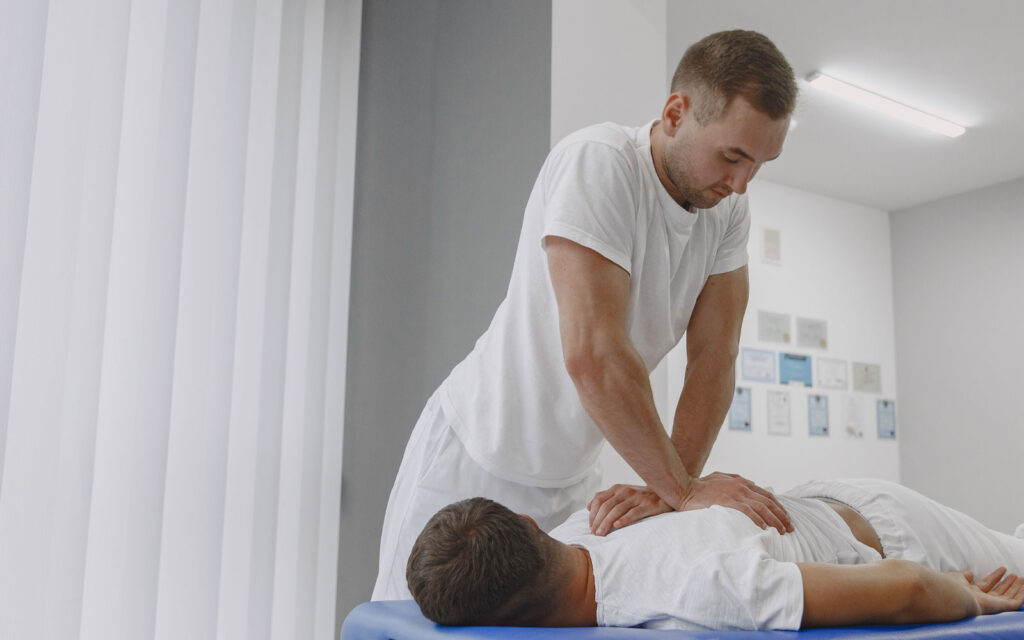
Osteopathy takes a broader clinical approach to pain and dysfunction than massage alone. While hands-on treatment is part of osteopathic care, it sits within a framework of assessment, diagnosis, and ongoing management aimed at understanding why pain is present and how to reduce the likelihood of it returning.

This difference in approach is often what makes osteopathy more suitable for ongoing, recurrent, or complex musculoskeletal problems.

Assessment, Diagnosis, and Clinical Reasoning

An osteopathic appointment begins with a detailed assessment rather than immediate hands-on treatment. This includes discussing symptoms, medical history, work and activity demands, and how pain behaves over time. Physical examination looks at posture, joint movement, muscle tone, and how different parts of the body work together during movement.
The purpose of this assessment is to form a clinical understanding of what is driving symptoms. Pain felt in one area may be influenced by restriction or overload elsewhere, such as hip stiffness contributing to back pain or upper back restriction affecting neck symptoms.
Osteopaths are trained to identify when symptoms are likely to be musculoskeletal and when referral for medical investigation is needed. This diagnostic element is a key difference from massage and helps ensure care is appropriate, safe, and targeted.

Treating Joints, Muscles, and Movement Together

Osteopathic treatment addresses more than muscle tension alone. While soft tissue techniques may be used where appropriate, osteopaths also work with joints, connective tissues, and movement patterns that influence how load is distributed through the body.
Treatment may include joint mobilisation, articulation, gentle manipulation where suitable, and techniques aimed at improving coordination and movement efficiency. The goal is not simply to reduce pain temporarily, but to restore function and reduce unnecessary strain on specific tissues.
By treating joints, muscles, and movement together, osteopathy aims to improve how the body copes with everyday demands such as sitting, lifting, exercise, or repetitive work. This whole-body approach is particularly relevant when pain keeps returning despite rest or massage.

Advice, Rehabilitation, and Long-Term Management

Another key difference is the emphasis on advice and self-management. Osteopaths routinely provide guidance on movement, posture, exercise, work habits, and recovery strategies tailored to the individual.
This may include rehabilitation exercises, advice on pacing activity, or changes to daily routines that reduce strain. The intention is to help people understand their body and manage symptoms independently over time, rather than relying solely on repeated hands-on treatment.
At Key Osteopaths, we focus on supporting long-term improvement. Hands-on care is combined with clear explanation and practical advice so that treatment leads to lasting change, not just short-term relief.

MEET THE

team

I went to see Anna with a severe lower back pain. She identified my problem and in a few sessions helped me to improve it. She really cares about what… read more

Paola Lopez Avatar Paola Lopez

I felt like a new person after my treatment with Rosie! She was so knowledgeable and caring, I felt really safe in her hands. I will definitely be recommending and… read more

Harriet Kitchen Avatar Harriet Kitchen

Having suffered a neck injury during my rugby career I did the rounds with various recommended osteopaths with limited success. Then by chance I visited Anna in West Byfleet and… read more

Tom Clary Avatar Tom Clary

Osteopath or Massage for Back Pain and Neck Pain?
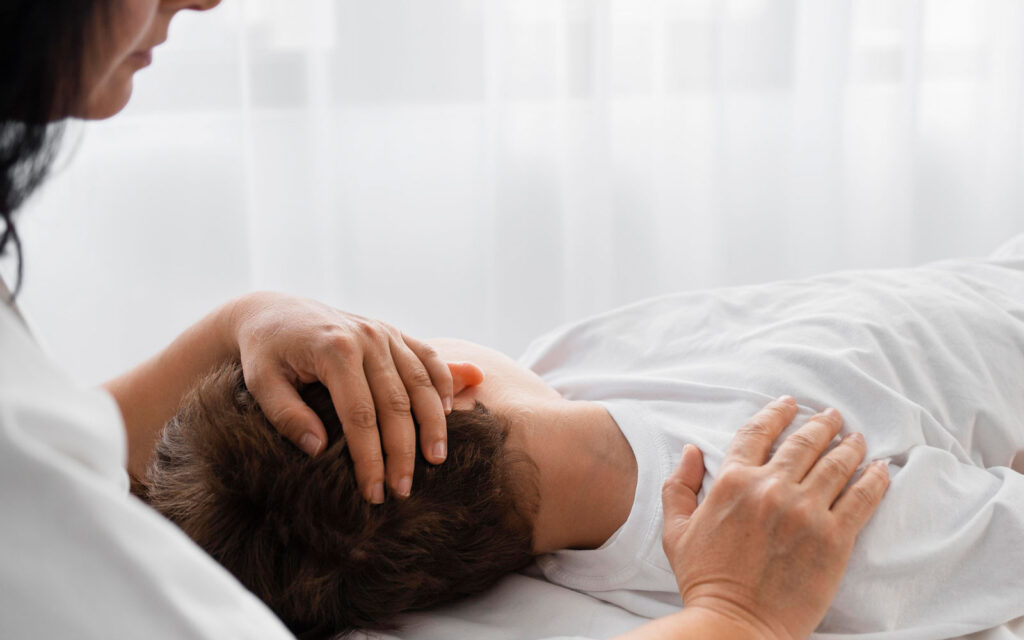
Back pain and neck pain are two of the most common reasons people seek hands-on care. Because both massage therapists and osteopaths work with physical discomfort, it can be difficult to know which option is most suitable, especially when symptoms feel muscular or tension-based.
The most appropriate choice depends on how the pain behaves, how long it has been present, and whether it is affecting movement or daily function.

When Massage May Be Enough

Massage may be sufficient when back or neck pain is mild, recent, and clearly linked to muscle tension or fatigue. This can include stiffness after long periods of sitting, general tightness during stressful periods, or post-exercise soreness that settles quickly with rest and movement.
If pain feels diffuse rather than sharp, improves with heat or gentle activity, and does not limit movement significantly, massage can help reduce tension and provide short-term relief. For some people, this is all that is needed, particularly when symptoms are occasional rather than recurring.
Massage can also be useful alongside other care as part of a broader self-care or recovery routine, especially when muscle tightness is a contributing factor rather than the main cause of pain.

When Osteopathic Assessment Is More Appropriate

Osteopathic assessment is more appropriate when pain is persistent, keeps returning, or is affecting how you move, work, or sleep. This includes pain that has been present for several weeks, discomfort that worsens with certain movements, or symptoms that fluctuate but never fully settle.
Neck and back pain are often influenced by joint restriction, altered movement patterns, or load being transferred unevenly through the body. In these cases, relaxing muscles alone may not address the underlying issue. An osteopath assesses how the spine, joints, muscles, and nervous system are working together to identify what is driving the pain.
Osteopaths are also trained to recognise when symptoms may not be purely musculoskeletal and when referral for further investigation is appropriate. This makes osteopathy particularly suitable when pain feels more complex or unclear.

Persistent Pain, Recurrent Symptoms, and Underlying Causes

One of the clearest indicators that osteopathic care may be more suitable than massage is recurrence. If back or neck pain improves briefly after massage but returns repeatedly, this often suggests that the source of the problem has not been addressed.
Recurrent symptoms may be linked to habitual movement patterns, postural strain, reduced joint mobility, or cumulative load from work and daily activities. Without addressing these factors, muscles may continue to tighten in response, leading to a cycle of short-term relief followed by symptom return.
Osteopathy aims to break this cycle by identifying and managing underlying contributors to pain. At Key Osteopaths, we regularly support people who have tried massage for ongoing neck or back pain and are looking for a clearer explanation and a more sustainable path forward.

Training, Regulation, and Clinical Scope

Understanding the differences in training and regulation between massage therapists and osteopaths helps clarify why their roles in pain relief are not interchangeable. While both work hands-on with the body, their clinical responsibilities, scope of practice, and level of medical training differ significantly.

Differences in Professional Training and Qualifications

Osteopaths in the UK complete a four to five year integrated healthcare degree that includes extensive training in anatomy, physiology, pathology, clinical examination, diagnosis, and hands-on treatment. This training prepares osteopaths to assess a wide range of musculoskeletal presentations, recognise signs of medical conditions, and make informed clinical decisions about treatment, referral, or reassurance.
Massage therapists typically train through shorter vocational or diploma-based courses that focus primarily on soft tissue techniques. Their expertise lies in working with muscles to reduce tension, promote relaxation, and support wellbeing. Massage training does not usually include medical diagnosis, differential assessment, or clinical screening for serious pathology.
This difference in depth and focus of training directly affects what each professional is qualified to assess and manage safely.

Regulation and Clinical Responsibility in the UK

Osteopathy is a statutorily regulated healthcare profession in the UK. All practising osteopaths must be registered with the General Osteopathic Council, which sets standards for education, professional conduct, clinical practice, and continuing professional development. Only practitioners on this register are legally allowed to use the title “osteopath”.

This regulation means osteopaths are accountable for patient safety, clinical decision-making, and appropriate referral. They carry a duty of care similar to other primary-contact healthcare professionals.
Massage therapy, by contrast, is not statutorily regulated in the UK. While many massage therapists practise responsibly and hold professional insurance, there is no single governing body overseeing training standards, clinical scope, or fitness to practise. As a result, regulation, qualifications, and experience can vary widely between practitioners.

Why Diagnosis Matters for Safety and Outcomes

Diagnosis and clinical assessment are critical when pain is persistent, worsening, or behaving unexpectedly. While many aches and pains are mechanical and straightforward, some symptoms can mimic musculoskeletal pain while having a different underlying cause.
Osteopaths are trained to differentiate between mechanical pain and symptoms that require medical input, such as inflammatory conditions, neurological compromise, fractures, or systemic illness. This screening process helps ensure that hands-on treatment is appropriate and safe.
Massage therapists do not diagnose conditions and are not trained to assess red flags in the same way. For this reason, massage is best suited to clearly muscular tension in otherwise healthy individuals, whereas osteopathic care is more appropriate when pain is complex, recurrent, or unclear.
At Key Osteopaths, this clinical responsibility is central to how care is delivered. Understanding why pain is present, not just where it is felt, helps ensure treatment is both effective and safe.

Anna came highly recommended and I have not been disappointed. My back and hip problem have been resolved in a mere two very good sessions. Anna knows what she’s… read more

Jean Paul Broodbakker Avatar Jean Paul Broodbakker

I specifically booked in with Anna as she came highly recommended by a friend. I have been visiting physios, chiropractors and osteopaths for years with no real success. The problem… read more

Hollie Blue Avatar Hollie Blue

I felt like a new person after my treatment with Rosie! She was so knowledgeable and caring, I felt really safe in her hands. I will definitely be recommending and… read more

Harriet Kitchen Avatar Harriet Kitchen

Can Massage and Osteopathy Work Together?
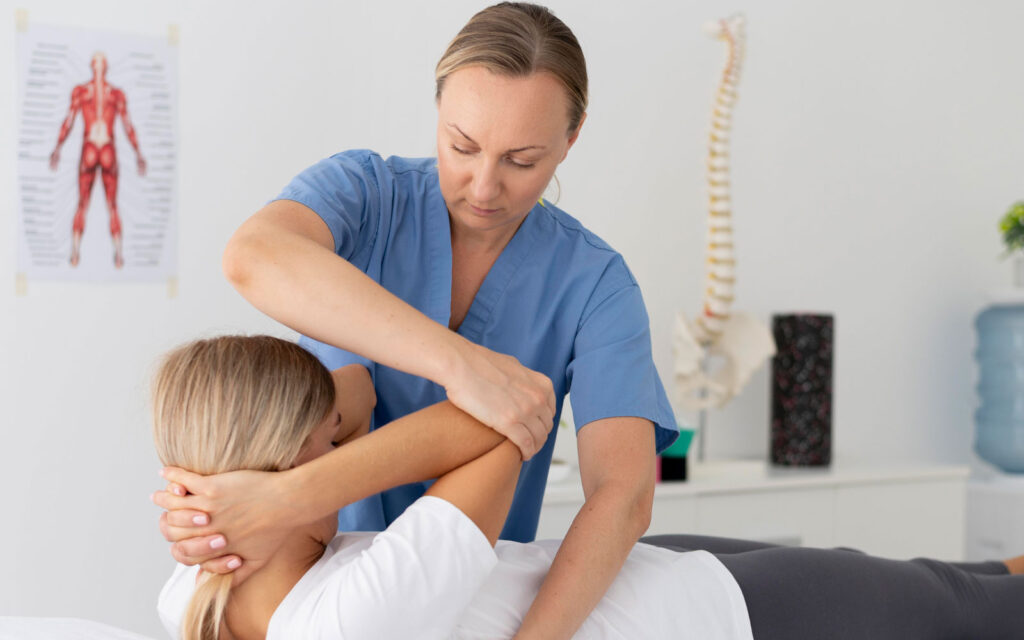
Massage and osteopathy are not opposing approaches. In many cases, they can work well together when each is used appropriately and with a clear purpose. Understanding how they complement one another helps people make better decisions about their care and avoid frustration when symptoms persist.

How Massage Can Complement Osteopathic Care

Massage can be a useful adjunct to osteopathic care, particularly when muscular tension is a prominent feature of someone’s symptoms. Reducing muscle tone through massage may help ease discomfort, improve circulation, and make movement feel less restricted in the short term.
When used alongside osteopathy, massage can support relaxation and recovery, especially during periods of high stress, increased training load, or prolonged desk-based work. In some cases, osteopaths may even incorporate soft tissue techniques similar to massage within a treatment plan, alongside joint-based and movement-focused approaches.
The key difference is that within osteopathic care, soft tissue work is guided by clinical assessment and used selectively as part of a broader strategy rather than as a standalone solution.

Using Massage Within a Broader Treatment Plan

For some people, massage is most effective when it sits within a wider plan that also addresses movement, load management, and contributing factors such as posture or work demands. For example, massage may help reduce muscle tension, while osteopathic assessment identifies why that tension keeps returning.
Osteopaths often provide guidance on exercise, pacing, and daily habits that help maintain the benefits of hands-on treatment. Without this context, massage alone may offer temporary relief but not address the underlying reasons symptoms persist or recur.
At Key Osteopaths, we regularly see patients who have tried massage with short-term benefit but find their pain returns quickly. In these cases, combining soft tissue work with assessment, movement advice, and targeted treatment can lead to more lasting improvement.

Avoiding Passive Care Without Clear Progress

One important consideration with any hands-on therapy is avoiding passive care that continues without clear progress. Whether massage or osteopathy is being used, treatment should be reviewed regularly to ensure it is helping and that there is a clear rationale for continuing.
If symptoms are not changing, worsening, or repeatedly returning, this is a sign that a different approach or further assessment may be needed. Ongoing treatment without reassessment risks masking symptoms rather than resolving the underlying issue.
Good osteopathic care involves reviewing response, adapting the plan, and encouraging active participation in recovery. Massage can play a role within this framework, but it should support progress rather than replace assessment, education, and self-management.
If you are unsure whether massage, osteopathy, or a combination of both is most appropriate for your pain, the osteopaths at Key Osteopaths can help you make an informed choice based on your symptoms, goals, and overall health.

Which Is Better for Your Situation?

Choosing between massage and osteopathy depends less on which approach is “better” overall and more on what your symptoms are telling you. Understanding the nature of your pain, how long it has been present, and what seems to aggravate or relieve it can help guide that decision.

Acute Muscle Tension vs Ongoing Pain

If your symptoms are mainly muscular and short term, such as tight shoulders after a stressful week, post-exercise soreness, or general tension without restriction of movement, massage may be sufficient. In these cases, hands-on soft tissue work can help muscles relax, ease discomfort, and promote a sense of physical relief.
However, if pain is ongoing, keeps returning, or is gradually worsening, this often suggests that muscle tension is only part of the picture. Persistent pain is commonly influenced by joint restriction, altered movement patterns, load management, or previous injury. In these situations, osteopathic assessment is usually more appropriate because it looks beyond the muscles to understand why tension or pain keeps reappearing.

Pain Linked to Posture, Work, or Injury

Pain related to posture, desk work, manual handling, or a previous injury often benefits from osteopathic care. These presentations typically involve a combination of joint stiffness, muscle overactivity, and altered movement habits that cannot be addressed by soft tissue treatment alone.
Osteopaths assess how the spine, joints, and muscles are working together and how daily activities such as sitting, lifting, or repetitive tasks are influencing symptoms. Treatment is then combined with advice on movement, posture, and load management to reduce the likelihood of recurrence.

Massage can still play a supportive role in these cases, but without assessment and guidance, it may only provide temporary relief rather than addressing the underlying cause of the problem.

Making an Informed Choice Based on Symptoms

A helpful way to think about the choice is to ask:
  • Does the pain settle fully with massage, or does it keep coming back?
  • Is movement restricted, painful, or asymmetrical?
  • Is the pain linked to specific activities, work demands, or past injuries?
  • Are there associated symptoms such as stiffness, weakness, or reduced tolerance to load?
If symptoms are simple, short lived, and clearly muscular, massage may be appropriate. If symptoms are persistent, recurrent, movement-related, or unclear, osteopathic assessment offers a safer and more comprehensive starting point.
At Key Osteopaths, we regularly see people who are unsure which option is right for them. Our role is to assess your symptoms properly, explain what is contributing to them, and help you decide whether osteopathy, massage, a combination of both, or no hands-on treatment at all is the most appropriate next step.

Love Anna, she is really good. Helped me out with mobility issues, muscle and tension release post training. Also now that I’m expecting my baby she’s been fantastic, helping with… read more

Maria Alejandra Reis Avatar Maria Alejandra Reis

I found the experience reassuring .Ana was very supportive and professional.I feel the care received was excellent

Deborah Sawin Avatar Deborah Sawin

I had a fantastic treatment from Anna. She really got to the root of problem and gave me great advice to improve my form and help me to prevent further… read more

James Martin Avatar James Martin

How Osteopaths Help When Massage Isn’t Enough
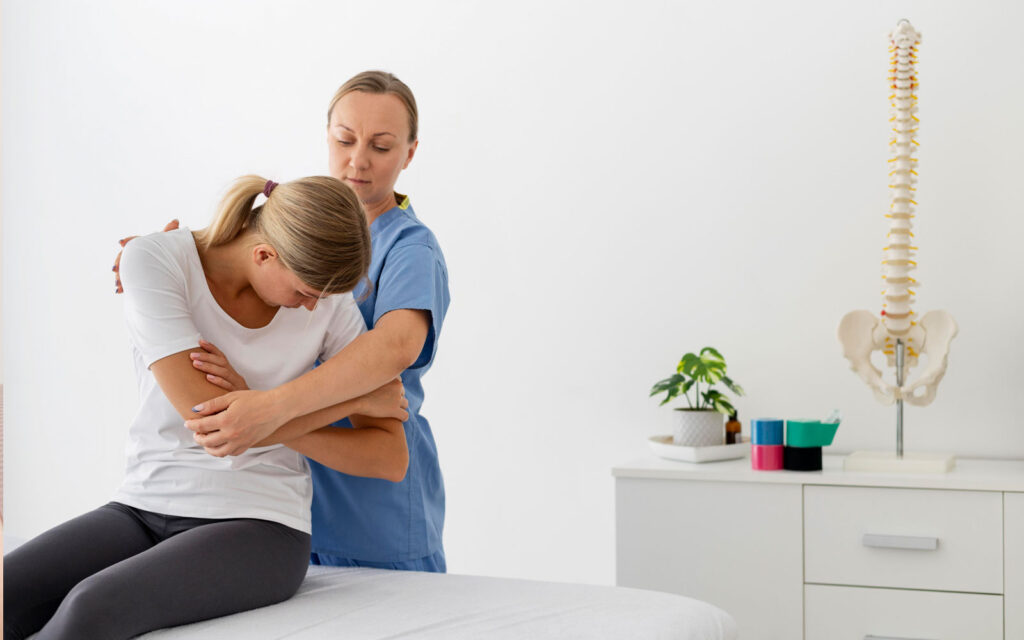
Massage can be very helpful for easing muscle tension, but when pain keeps returning or never fully settles, it often indicates that something more than muscular tightness is involved. This is where osteopathic care can add important value by looking at the broader picture rather than focusing only on symptom relief.

Identifying Why Pain Keeps Returning

Recurrent pain is rarely random. It is usually linked to underlying factors such as joint restriction, altered movement patterns, postural habits, previous injury, or how load is managed during work, exercise, and daily life. These factors can cause certain muscles to repeatedly tighten as a protective response, even after massage has temporarily eased them.
Osteopaths begin with a detailed assessment to understand how the spine, joints, muscles, and nervous system are working together. This includes looking at how you move, where load is being absorbed, and whether certain areas are compensating for restrictions elsewhere. By identifying these drivers, osteopathy helps explain why pain keeps coming back rather than simply calming it down each time it appears.

Treating the Cause, Not Just the Symptom

When massage focuses mainly on relaxing tight muscles, osteopathy aims to address the reasons those muscles are under strain in the first place. This may involve improving joint movement, reducing unnecessary muscular guarding, and restoring more balanced movement patterns across the body.
Hands-on osteopathic treatment is chosen based on clinical findings and may include gentle joint techniques, soft tissue work, and approaches that support the nervous system’s ability to regulate tension. Treatment is not about forcing the body into alignment, but about improving how it moves and tolerates everyday demands so that symptoms are less likely to return.
This approach is particularly important for people with back pain, neck pain, or recurring aches that flare up with work, posture, stress, or exercise.

Supporting Recovery and Preventing Recurrence

A key difference when massage is no longer enough is the emphasis on long-term management. Osteopaths combine treatment with clear advice on movement, posture, activity modification, and recovery strategies that fit realistically into daily life.
Preventing recurrence does not mean ongoing treatment indefinitely. Instead, it involves helping people understand early warning signs, manage load more effectively, and know when to rest, modify activity, or seek review. This empowers patients to stay comfortable and active rather than relying on repeated short-term relief.
At Key Osteopaths, we often support people who have tried massage with only temporary results. By identifying the underlying contributors to pain and addressing them thoughtfully, osteopathic care helps move beyond repeated flare-ups towards more sustainable recovery and confidence in movement.

Making the Right Choice for Pain Relief
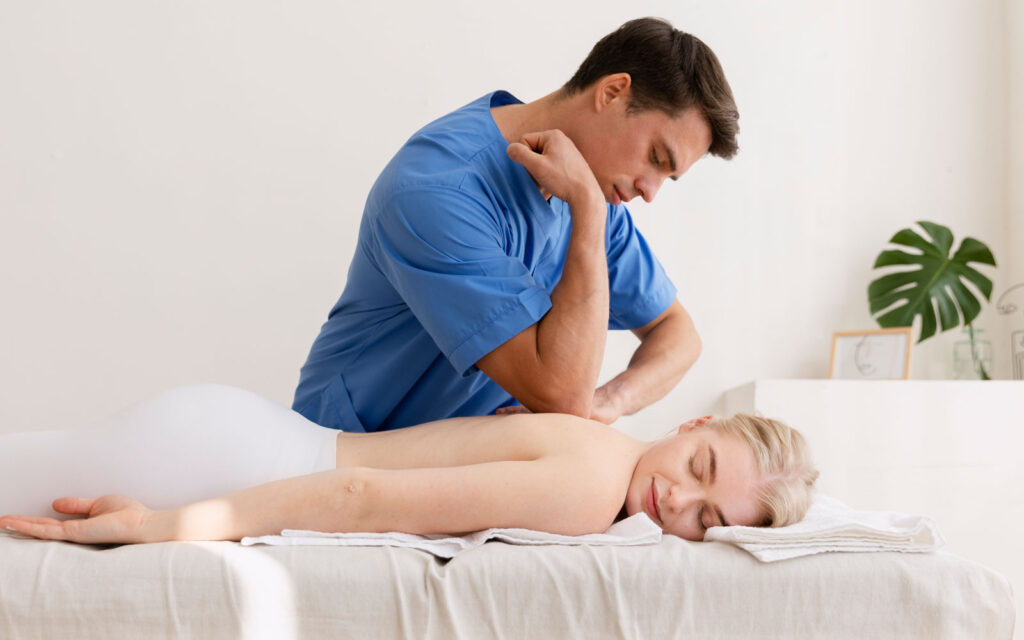
Choosing between massage and osteopathy does not need to be confusing or intimidating. Both approaches can play a valuable role, but they serve different purposes. Massage is often best suited to short-term muscular tension, relaxation, and general soreness. Osteopathy is more appropriate when pain is persistent, recurrent, affecting movement, or when you are unsure what is causing the problem in the first place.
The most important factor is not which option sounds better, but which approach matches your symptoms, history, and goals. Pain is rarely just about tight muscles alone, and understanding the underlying cause often leads to better, longer-lasting outcomes.

A Clear, Evidence-Informed Approach at Key Osteopaths

At Key Osteopaths, we regularly see people who have tried massage with only temporary relief, as well as those who are unsure whether they need assessment or just hands-on treatment. Our role is to assess properly, explain what is going on in clear terms, and recommend care that is proportionate and appropriate.
Osteopathic treatment may include soft tissue and massage techniques, but it also involves looking at joints, posture, movement patterns, and daily load. Just as importantly, we are honest when osteopathy is not needed or when another approach may be more suitable.

When to Take the Next Step

If your pain is new, mild, and clearly muscular, massage may be enough. If pain keeps coming back, is limiting your daily activities, or you are unsure why it is there, an osteopathic assessment can help you understand what is happening and what will genuinely help.
If you would like clear advice rather than guesswork, the osteopaths at Key Osteopaths are happy to help. You can get in touch to book an appointment, speak with our team, or ask whether osteopathic care is the right next step for your situation.

Frequently Asked Questions About Massage vs Osteopathy

Is an osteopath better than massage for back pain?

It depends on the nature of the back pain. Massage can be very helpful for easing muscular tension and providing short-term relief, particularly if pain is linked to stress, fatigue, or tight muscles. However, if back pain is persistent, recurrent, or affecting how you move, an osteopathic assessment is often more appropriate.

Osteopaths assess joints, muscles, posture, and movement patterns together, which helps identify why pain is occurring rather than only addressing where it hurts. For simple muscular tightness, massage may be sufficient. For ongoing or recurring back pain, osteopathy is usually better placed to guide safe, longer-term management.

You do not need to try massage first. If your pain is mild, short-lived, and clearly muscular, massage can be a reasonable starting point. However, if pain has lasted more than a few weeks, keeps returning, or is limiting daily activities, seeing an osteopath sooner may be more helpful.

Osteopaths are trained to assess whether hands-on treatment is appropriate at all and can advise if massage alone is sufficient, if osteopathic treatment is indicated, or if referral elsewhere is needed. Starting with assessment can sometimes prevent repeated short-term fixes that don’t address the underlying issue.

In some cases, yes. If pain is being driven by joint irritation, nerve sensitivity, or an unresolved injury, deep or aggressive massage can aggravate symptoms rather than help. This does not mean massage is unsafe, but it highlights the importance of understanding what is causing the pain.

Osteopaths are trained to screen for red flags, assess the source of symptoms, and choose techniques that are appropriate for the condition and stage of healing. This reduces the risk of over-treating tissues that are already sensitive or overloaded.

Yes. Osteopaths commonly use soft tissue and massage-based techniques as part of treatment. The difference is that these techniques are applied within a broader clinical framework that also considers joints, movement patterns, and nervous system involvement.

Massage within osteopathic care is usually targeted and purposeful, chosen to support overall movement and recovery rather than relaxation alone. It is often combined with joint techniques, movement advice, and rehabilitation guidance where appropriate.

The choice depends on your symptoms, how long they have been present, and what you want to achieve. Massage may be suitable if you are dealing with general muscle tension, stress-related tightness, or short-term soreness and want symptomatic relief.

If pain is persistent, recurring, worsening, or linked to posture, work demands, injury, or restricted movement, an osteopathic assessment is often the better option. Osteopathy is also more appropriate if you are unsure what is causing your pain and want a clear explanation and management plan.

If you are uncertain, the osteopaths at Key Osteopaths are happy to advise whether osteopathic care is appropriate for your situation or whether another approach, including massage, may be sufficient.