
Why Misconceptions About Osteopathy Are So Common
Mixed Information Online and Word-of-Mouth
Why Osteopathy Is Often Misunderstood
The Importance of Evidence-Based Clarification
If you’re unsure about how osteopathy affects the body or have questions about concepts like “toxin release,” our osteopaths at Key Osteopaths are here to provide clear, evidence-based guidance. We support patients across West Byfleet, Woking, Weybridge, Guildford, Ripley, Cobham, and the surrounding Surrey areas, helping you understand what treatment can and cannot do. Our approach focuses on improving movement, easing mechanical strain, and supporting the body’s natural recovery processes so you can feel more comfortable, informed, and confident in your care.Anna, Principal Osteopath at Key Osteopaths
Myth 1 – “Osteopathy Is Not Evidence-Based”

What Evidence-Informed Care Actually Means
Research, Clinical Guidelines, and Regulation
How Osteopaths Use Evidence in Everyday Practice
Myth 2 – “Osteopaths Only Crack Bones”

What Joint Manipulation Is and When It’s Used
The Wide Range of Techniques Osteopaths Use
Why Many Patients Never Receive Manipulation

MEET THE
team
Can’t rate this place highly enough. Anna is totally amazing and has really helped me over the past when I’ve been in pain! There are other services available and overall… read more this is an great find locally.

 Jo Ryder
I went to see Anna with a severe lower back pain. She identified my problem and in a few sessions helped me to improve it. She really cares about what… read more you are going through and gives you tips to get better and avoid injury in the future. Very professional and I couldn’t recommend her more highly!
 Paola Lopez
Friendly and professional and most of all…effective! I had a really comprehensive assessment with Francesca who helped with a range of postpartum pelvis and back issues. I was given a… read more variety of different exercises to do at home and after just a couple of weeks I’ve noticed a huge improvement. Thanks Francesca and Anna.
 Lucy Ing
Myth 3 – “Osteopathy Is Only for Back Pain”

The Full Scope of Musculoskeletal Care
Neck, Shoulder, Joint, and Sports-Related Presentations
Why Back Pain Is Just One Part of Osteopathy
Myth 4 – “If It Doesn’t Hurt, I Don’t Need an Osteopath”
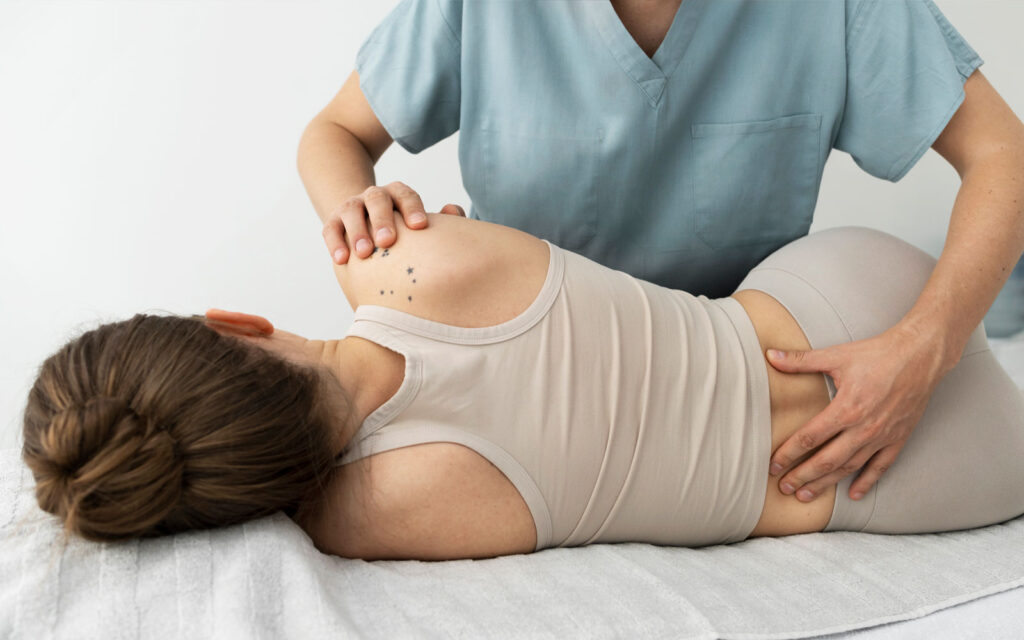
How Problems Can Develop Before Pain Appears
Movement, Load, and Early Warning Signs
When Assessment Is About Prevention, Not Pain
Despite a busy practice, Anna rescued me when I was in agony and unable to move, let alone get out of bed. She quickly got me up on my feet… read more and gave me exercises to keep me mobile until the next visit. I cannot fault her. She’s not just a fantastic practitioner but a lovely person as well. She always puts others before herself. In fact she’s so highly respected that she doesn’t need to scrape around for work and genuinely only treats you when you need it. She is a most professional person and comes very highly recommend from me.
 Valerie Richardson
Rosie treated our baby boy for and it made a huge difference. After the treatment he started sleeping better and crying less. A big relif
 Richard Sprake
I specifically booked in with Anna as she came highly recommended by a friend. I have been visiting physios, chiropractors and osteopaths for years with no real success. The problem… read more I had wasn’t complex, but I also suffer with a rare syndrome which means fixing that simple problem made it slightly complex!! I was pleasantly surprised when Anna was aware of my syndrome and knew all about it! No one else I had been to knew anything about it! The treatment she gave me was so relevant and was in line with my syndrome, which meant I saw immediate results when I stuck to the exercises. I genuinely feel like Anna really listened to what I had to say when so many others hadn’t. She is so knowledgeable, approachable, helpful and thoughtful I wouldn’t go anywhere else and would 100% recommend visiting. On a side note, her studio is so spacious and clean, it always is a pleasure to attend.
 Hollie Blue
Myth 5 – “Once You Start Osteopathy, You Have to Keep Going”

Ethical Practice and Patient Choice
Treatment Plans Versus Maintenance or Review
It is important to distinguish between treatment for a specific problem and optional review or maintenance care.
Knowing When Treatment Is No Longer Needed
How to Tell the Difference Between Myth and Good Information

Regulation, Qualifications, and Clinical Accountability
Red Flags in Osteopathy Claims to Be Cautious Of
- Cure unrelated medical conditions
- Remove toxins or “rebalance energy”
- Prevent illness without clear explanation
- Guarantee results or lifelong benefit
- Be necessary indefinitely to stay healthy
Asking the Right Questions as a Patient
- What they think is contributing to your symptoms
- Why they are recommending a particular treatment
- What alternatives exist, including doing nothing
- How progress will be reviewed
- When treatment is likely to stop
Having suffered a neck injury during my rugby career I did the rounds with various recommended osteopaths with limited success. Then by chance I visited Anna in West Byfleet and… read more the problem was sorted in 2 sessions . Now as soon as the symptoms appear they are deal will professionally and quickly – highly recommended.
 Tom Clary
I have seen Anna twice with a slipped disc in my lower back. On both occasions she has turned me from Yoda (hunched over a walking stick) to an… read more upright human. She gave me massage and acupuncture which greatly helped with getting myself back to normal. Ongoing exercise and the reason behind it has greatly improved my posture. I cannot recommend her enough.
 LYNN GILLINGHAM
Fantastic service! Anna has worked her magic when I’ve been in real pain. She’s professional, honest and is always smiling – I couldn’t recommend more highly !
 Lorraine
A Clear, Evidence-Informed Approach at Key Osteopaths
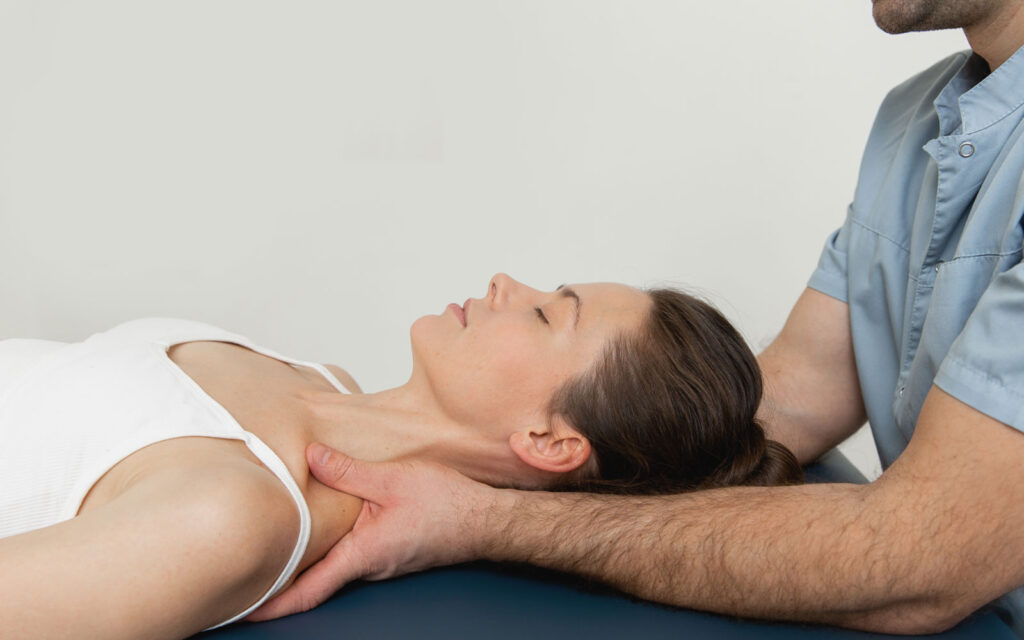
What Patients Can Expect From Assessment and Care
Honest Advice, Not One-Size-Fits-All Treatment
Supporting Informed, Confident Decisions About Care
Whether you are attending with pain, stiffness, recurring issues, or simply want clarity about what your symptoms mean, our role is to provide clear information and sensible options, not pressure or promises.
Frequently Asked Questions About Osteopathy Myths
Is osteopathy scientifically supported?
Osteopathy is best described as evidence-informed healthcare. This means osteopaths use the best available research alongside clinical expertise and patient preferences. Current evidence supports osteopathic approaches for many musculoskeletal conditions, particularly back pain, neck pain, and joint-related problems. Ethical osteopaths are also clear about the limits of evidence and avoid making claims that go beyond what research supports.
Do osteopaths always crack joints?
No. Joint manipulation (the technique that can produce a clicking or popping sound) is only one of many tools osteopaths may use, and it is not appropriate or necessary for everyone. Many patients never receive manipulation at all. Osteopaths commonly use gentle joint techniques, soft tissue work, movement-based approaches, and advice instead, depending on the individual and their symptoms.
Is osteopathy only for people with back pain?
Back pain is a common reason people seek osteopathic care, but it is far from the only one. Osteopaths also assess and manage neck pain, shoulder problems, joint stiffness, sports-related issues, work-related aches, and movement-related discomfort more broadly. Osteopathy focuses on how the body moves and copes with load, not on a single body region.
Can osteopathy help even if I’m not in pain?
Yes, in some cases. People sometimes seek osteopathic assessment for stiffness, reduced movement, recurring minor issues, or to understand why certain problems keep returning. Assessment does not always lead to treatment, and when symptoms are well managed, reassurance or advice may be the most appropriate outcome. Osteopathy is not only about pain, but about understanding physical function and resilience.
How do I know if an osteopath is reputable?
In the UK, all practising osteopaths must be registered with the General Osteopathic Council (GOsC). A reputable osteopath will be open about their qualifications, carry out a proper assessment, explain findings clearly, gain informed consent, and avoid making exaggerated claims. They should also be willing to say when treatment is not needed or when referral elsewhere is more appropriate.