





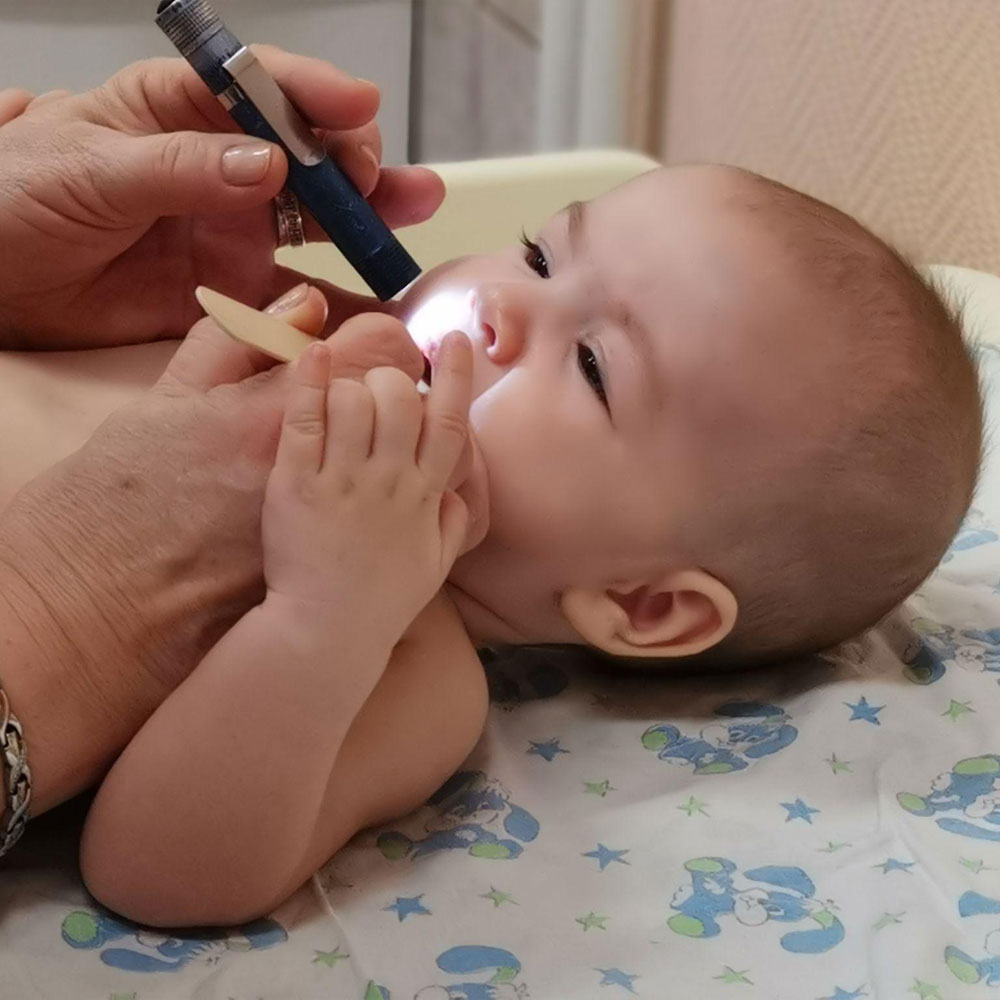

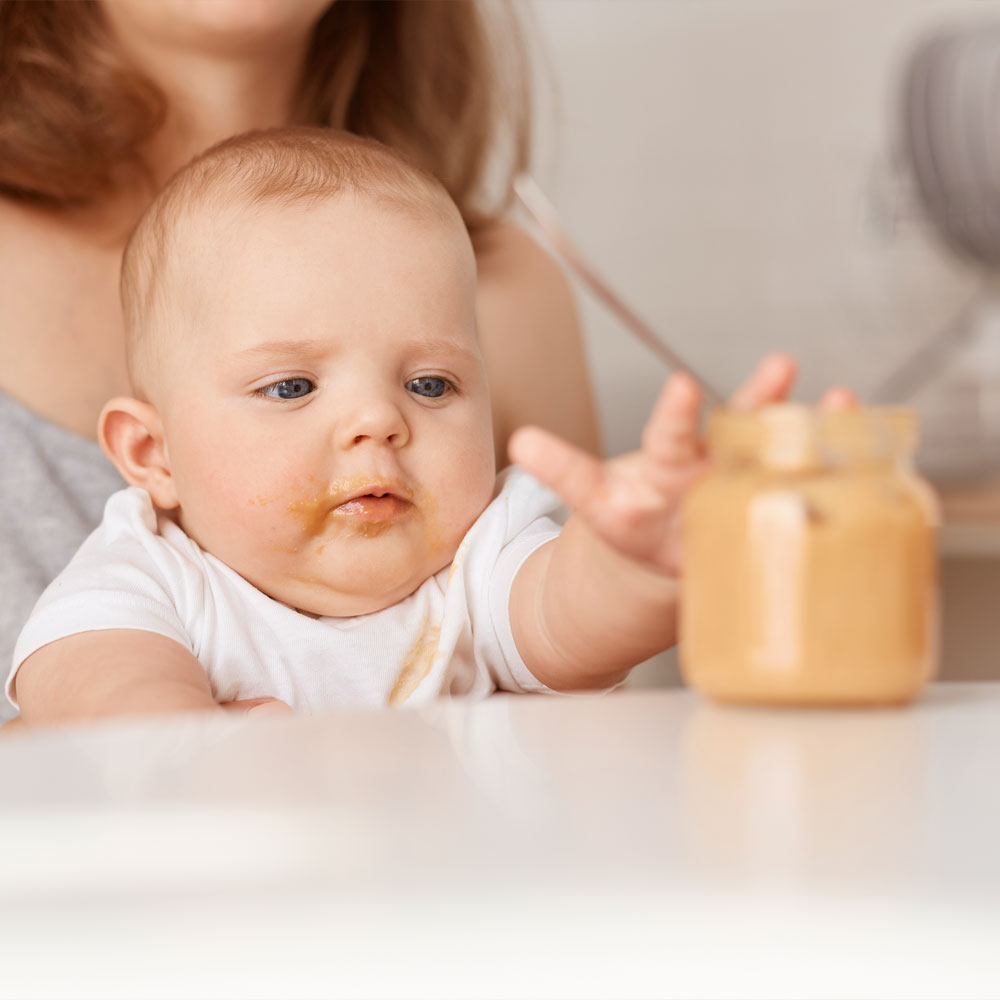
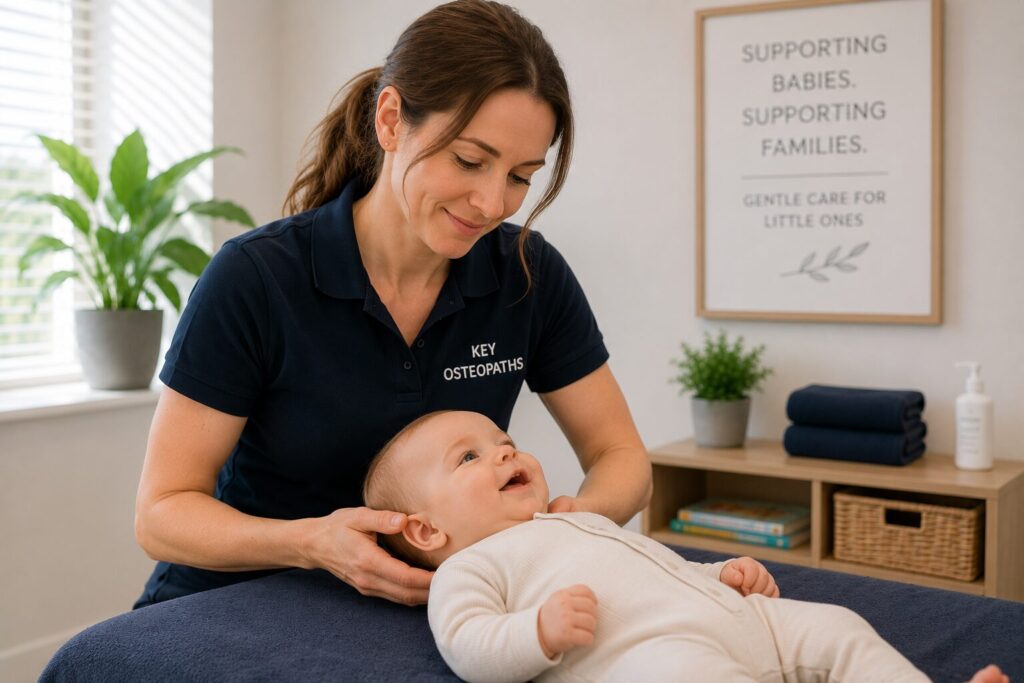



Poor latch, clicking, dribbling, long feeds or a baby who seems to work hard for every drop? Claire gently assesses how your baby feeds, including tongue function, jaw and neck movement, and tells you honestly what is going on and what should happen next.
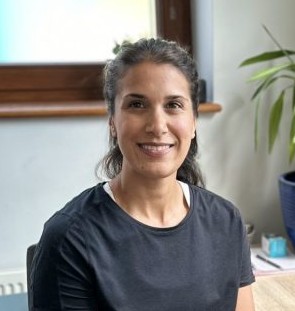
A specialist in head, neck, and TMJ issues, integrating traditional osteopathy with Orofacial Myofunctional Therapy.
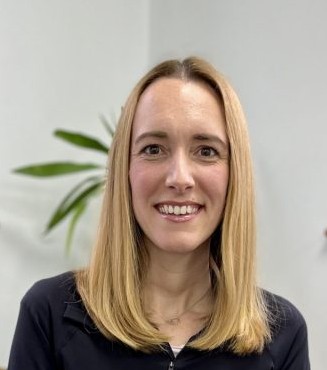
A whole-body practitioner combining manual therapy with Pilates techniques and ultrasound to enhance mobility and manage degenerative pain.
A versatile practitioner for all ages, offering both structural treatment and specialised Cranial Osteopathy for babies and adults.
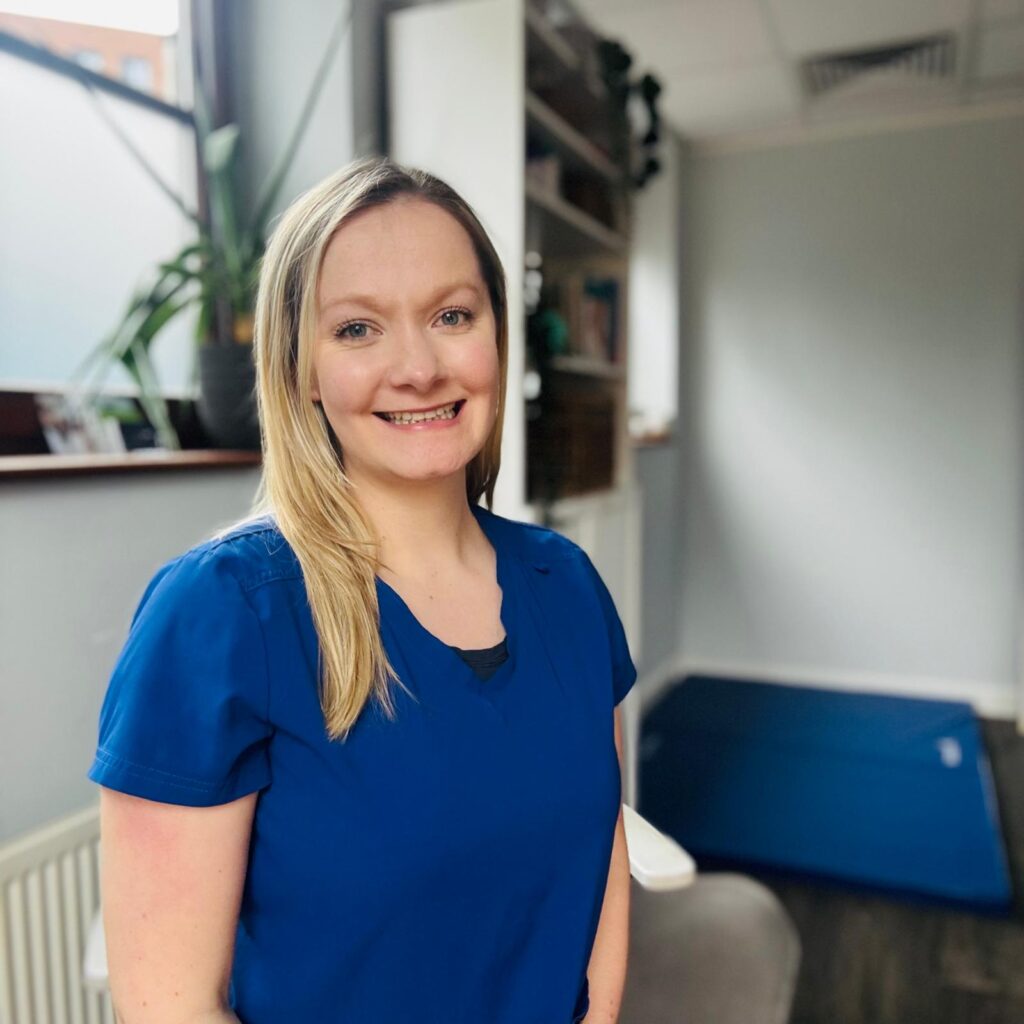
Claire is a UK-registered osteopath with a particular focus on babies, infant feeding and tongue function. Around a quarter of her clinical work is with young babies, most often under four to five months. She takes time to understand what has already happened and what worries you most, and appointments are gentle and baby-led.
Your baby struggles to latch or keeps coming off
You hear clicking, or milk dribbles out
Feeds are very long, or your baby tires quickly
Coughing, spluttering or unsettled after feeds
Your baby prefers one side or one position
You have been told about a possible tongue-tie
Persistent nipple pain or worry about milk transfer
Weight gain is not what you expected
Breastfeeding and bottle feeding both need the tongue, lips and jaw to coordinate while your baby sucks, swallows and breathes. Positioning, milk flow, teat type and medical factors matter too, which is why Claire looks at the whole feeding picture, not just the tongue.
Please do not delay medical assessment while trying other approaches.
Tongue function is more than whether a baby can stick their tongue out. The lips help form the seal, the jaw provides movement and stability and the tongue makes coordinated movements inside the mouth. If one part is struggling, your baby may compensate, with more jaw effort or a seal that keeps breaking.
Clicking usually means the seal is repeatedly breaking. Positioning, attachment, milk flow, teat flow, tongue movement and jaw function can all play a part, and the NHS notes clicking may also mean you need help with positioning and attachment. A click alone does not diagnose tongue-tie.
Tongue-tie (ankyloglossia) is when the frenulum under the tongue restricts movement. Some babies have one and feed well, and the NHS confirms not every baby with tongue-tie needs treatment. A visible frenulum or heart-shaped tongue does not tell us how the tongue works during a feed, so Claire looks at function using recognised assessment frameworks. She does not perform frenulotomy. If she thinks restriction is relevant, she will refer you to a suitably qualified tongue-tie practitioner.
Feeding involves more than the mouth. If your baby clearly resists turning one way, feeds much better from one side or becomes distressed in a particular position, Claire can gently examine head rotation, neck movement, jaw movement and symmetry. A preference does not automatically mean a musculoskeletal problem, and milk flow and your own comfort matter too. A persistent head-turning preference is also worth raising with your health visitor or GP. Osteopathic assessment does not replace skilled breastfeeding, paediatric or medical care.
Bringing up milk is very common in babies, and not every baby who does has reflux. Crying, wind and unsettled behaviour have many possible causes. A baby who keeps losing their seal may swallow extra air, and Claire can explain what she sees and whether feeding support may help. That does not mean fixing feeding mechanics will resolve reflux or tummy symptoms, and she does not treat medical reflux. NICE advises further assessment for forceful or projectile vomiting, green or yellow-green vomit, blood in vomit, inability to feed, poor weight gain, worsening symptoms or significant distress.
You do not need a diagnosis before you come. Claire asks about pregnancy and birth, early feeding, weight gain, positioning, clicking, nipple pain, reflux, wind, head-turning preferences and any earlier tongue-tie or healthcare input. She looks for the root causes of the feeding difficulty, not just one symptom. Your baby can feed, settle or be held throughout.
Claire explains what she found. Next steps may be practical feeding or positioning advice, gentle osteopathic treatment where appropriate, monitoring, breastfeeding or IBCLC support, tongue-tie practitioner assessment, discussion with your health visitor or midwife, GP or paediatric assessment, or no treatment where findings do not indicate it. She will refer you to a different practitioner where necessary.
Anna came highly recommended and I have not been disappointed. My back and hip problem have been resolved in a mere two very good sessions. Anna knows what she’s doing and has a very good way of comforting and putting you at ease. Will be returning for regular sessions. Highly recommend!

My wife and I – plus my two grown-up daughters – have all seen Anna at one point or another over the last two/three years. She is absolutely fantastic. What you get is what you need – reassurance, matter-of-fact advice and most importantly – pain relief. Anna also gives you some simple stretches and exercises that help mitigate any future problems. Before meeting Anna I had seen a number of other osteos and she is the best by a mile. Highly recommended.
Can’t rate this place highly enough. Anna is totally amazing and has really helped me over the past when I’ve been in pain! There are other services available and overall this is an great find locally.
I specifically booked in with Anna as she came highly recommended by a friend. I have been visiting physios, chiropractors and osteopaths for years with no real success. The problem I had wasn’t complex, but I also suffer with a rare syndrome which means fixing that simple problem made it slightly complex!! I was pleasantly surprised when Anna was aware of my syndrome and knew all about it! No one else I had been to knew anything about it! The treatment she gave me was so relevant and was in line with my syndrome, which meant I saw immediate results when I stuck to the exercises. I genuinely feel like Anna really listened to what I had to say when so many others hadn’t. She is so knowledgeable, approachable, helpful and thoughtful I wouldn’t go anywhere else and would 100% recommend visiting. On a side note, her studio is so spacious and clean, it always is a pleasure to attend.
Super helpfull, friendly and informative. Cant recommend highly enough.

I felt like a new person after my treatment with Rosie! She was so knowledgeable and caring, I felt really safe in her hands. I will definitely be recommending and looking forward to my next treatment – thank you!

Anna is a brilliant osteopath she has helped me with varioys limitations and helped improve my quality of life
Anna came highly recommended to me by a friend so I decided to go and see her about a muscle issue in my left arm. Anna was fantastic, she asked all the right questions and gave all the right advice, after treatment I had the best arm workout I’d had in over 5 months with no pain in the morning that I usually would have suffered from. I should have gone to see her sooner ! I’m so happy and grateful for the treatment I have received. A big thank you from me and my left arm ! thanks Anna !!
Fantastic service! Anna has worked her magic when I’ve been in real pain. She’s professional, honest and is always smiling – I couldn’t recommend more highly !

Clicking often happens when suction is repeatedly broken. Positioning, attachment, milk flow, teat flow, tongue movement and jaw function may all be relevant. The NHS notes it can go with tongue-tie but may also mean you need help with positioning and attachment.
Positioning, attachment, milk flow, oral movement, tiredness and tongue function can all play a part. Assessment is appropriate if it is persistent, or feeding is ineffective or painful.
Yes, tongue movement is part of the mechanics of both. Long feeds, dribbling, pushing the teat out and choking can occur with tongue-tie, but these signs are not unique to it, so they need proper assessment.
Appearance alone is not enough: a trained practitioner should assess tongue movement alongside feeding. The NHS is clear some babies with tongue-tie feed normally and need no treatment, so decisions should rest on function and feeding difficulty.
Possible reasons include milk flow, your comfort, positioning and your baby’s own head and neck preference. If your baby clearly resists turning one way, Claire can assess whether neck movement is relevant.
A baby who keeps breaking their seal may swallow more air. But wind and unsettled behaviour have many causes and should not automatically be blamed on tongue-tie or feeding mechanics.
It may identify musculoskeletal factors in the head, neck or jaw that affect comfort or feeding position. It does not replace breastfeeding, tongue-tie, paediatric or medical assessment, and any treatment stays within osteopathic scope.
You do not have to choose. If technique, supply, transfer or your own pain is the main worry, specialist breastfeeding support is valuable. Where tongue, jaw, head or neck function may also matter, Claire’s assessment can complement it.
Infant feeding sits across several professions, and good care means respecting the boundaries. Not every click is tongue-tie, not every unsettled feed is reflux and not every head preference needs treatment.
Similar feeding symptoms can have different causes. The NHS recognises tongue-tie as a possible contributor to breastfeeding and bottle-feeding difficulty and makes clear some babies with tongue-tie have no problems and need no treatment. Reflux needs proportionate assessment too.
Book a baby feeding and tongue function assessment with Claire at Key Osteopaths. She will take time to understand the problem, assess the relevant oral and musculoskeletal function and explain what she finds. Where gentle osteopathic treatment is right she will discuss it, and where breastfeeding support, tongue-tie assessment or medical investigation is the better next step, she will tell you.
Key Osteopaths is in West Byfleet and regularly sees patients from Woking, Weybridge, Guildford, Pyrford, Cobham and across Surrey. Find us at Ground Floor, 3 Park Court, Pyrford Road, West Byfleet KT14 6SD, or call 01932 640322.