
Osteopathy is a regulated healthcare profession in the UK, yet it is still surrounded by misconceptions. Many people are unsure what osteopaths actually do, what conditions they treat, or how osteopathy fits alongside other forms of healthcare. These misunderstandings can lead to confusion, hesitation about seeking care, or unrealistic expectations about what osteopathy can offer.
Debunking common osteopathy myths is important because it helps people make informed decisions about their health. Clear, accurate information allows patients to understand when osteopathy may be appropriate, what it can realistically help with, and how it should be used alongside other medical or therapeutic care.

Why Misconceptions About Osteopathy Are So Common

Misconceptions about osteopathy rarely come from one source. They usually develop over time through a mix of incomplete information, outdated ideas, and well-meaning but inaccurate advice shared between people. Understanding why these myths exist helps explain why confusion around osteopathy is still so widespread.

Mixed Information Online and Word-of-Mouth

The internet is often the first place people look for health information, but online content about osteopathy varies widely in quality. Some sources are evidence-informed and accurate, while others oversimplify, exaggerate, or promote outdated concepts that no longer reflect modern osteopathic practice.
Word-of-mouth can add to this confusion. People may share personal experiences without understanding that osteopathic care is highly individual. What one person found helpful, unnecessary, or uncomfortable does not automatically apply to someone else. Over time, these partial stories can turn into generalised beliefs that do not reflect how osteopathy is actually practised today.

Why Osteopathy Is Often Misunderstood

Osteopathy is frequently misunderstood because it does not fit neatly into a single category. It is neither purely hands-on massage nor purely exercise-based rehabilitation, and it is not limited to one body part or symptom. This broad scope can make it harder to explain in simple terms.
Another reason for misunderstanding is that osteopaths use a range of techniques. Some people associate osteopathy only with joint manipulation, while others believe it focuses solely on muscles. In reality, modern osteopathy involves assessment, clinical reasoning, hands-on treatment where appropriate, and advice on movement, activity, and self-management. Focusing on just one aspect can create an incomplete and misleading picture.

The Importance of Evidence-Based Clarification

Clear, evidence-based clarification is essential to counter osteopathy myths. Modern osteopathic practice is grounded in current research, clinical guidelines, and professional regulation, not in fixed beliefs or one-size-fits-all approaches. Osteopaths are trained to assess each individual, consider relevant medical history, and choose treatment or advice based on what is appropriate and safe.
Without accurate clarification, myths can discourage people who might benefit from osteopathic assessment, or encourage others to expect outcomes that are unrealistic. Providing balanced, evidence-informed explanations helps set appropriate expectations and reinforces osteopathy’s role as part of responsible, patient-centred healthcare rather than an alternative or mysterious therapy.
If you’re unsure about how osteopathy affects the body or have questions about concepts like “toxin release,” our osteopaths at Key Osteopaths are here to provide clear, evidence-based guidance. We support patients across West Byfleet, Woking, Weybridge, Guildford, Ripley, Cobham, and the surrounding Surrey areas, helping you understand what treatment can and cannot do. Our approach focuses on improving movement, easing mechanical strain, and supporting the body’s natural recovery processes so you can feel more comfortable, informed, and confident in your care.
Anna, Principal Osteopath at Key Osteopaths

Myth 1 – “Osteopathy Is Not Evidence-Based”

One of the most common myths about osteopathy is that it is not evidence-based or that it relies on outdated ideas rather than modern healthcare standards. This misconception often comes from a misunderstanding of what evidence-based practice actually means in a clinical setting.

What Evidence-Informed Care Actually Means

Evidence-based care does not mean that treatment decisions are made solely on research papers alone. In healthcare, evidence-informed practice combines three key elements: the best available research, clinical expertise, and the individual patient’s circumstances, preferences, and presentation.
Osteopathy follows this same model. Research helps guide best practice, but it is always applied within the context of the person being assessed. Two people with similar symptoms may require different approaches based on factors such as activity levels, medical history, recovery capacity, and how their body responds to load. Evidence informs decisions, but it does not replace clinical reasoning.

Research, Clinical Guidelines, and Regulation

Osteopathy in the UK is a regulated healthcare profession. Osteopaths are trained to work within current clinical guidelines for musculoskeletal care, including conditions such as back pain, neck pain, and joint-related problems. Research in areas such as pain science, biomechanics, movement, and rehabilitation continues to inform how osteopaths assess and manage patients.
Importantly, osteopathy is regulated by law. This means practitioners are expected to practise safely, ethically, and in line with current standards of care. Osteopaths are also required to keep their knowledge up to date through continuing professional development, ensuring their approach reflects evolving evidence rather than fixed beliefs.

How Osteopaths Use Evidence in Everyday Practice

In day-to-day practice, evidence informs how osteopaths assess symptoms, identify red flags, choose appropriate techniques, and decide when treatment is not indicated. For example, current evidence shapes decisions around activity advice, reassurance, graded return to movement, and avoiding unnecessary passive treatment.
Rather than relying on one technique or theory, osteopaths adapt their approach based on what is known to be helpful for musculoskeletal pain and function. At Key Osteopaths, this means using hands-on treatment only when it is clinically appropriate, combining it with clear explanation, movement advice, and referral when needed.
Understanding osteopathy as evidence-informed helps dispel the myth that it is unscientific. Modern osteopathy is grounded in research, regulation, and clinical reasoning, with patient safety and realistic outcomes at the centre of care.

Myth 2 – “Osteopaths Only Crack Bones”

This is one of the most persistent myths about osteopathy and one that often puts people off seeking care. The idea that osteopaths simply “crack bones” is inaccurate and does not reflect modern osteopathic practice.

What Joint Manipulation Is and When It’s Used

Joint manipulation is a specific manual technique that involves a quick, controlled movement applied to a joint within its normal range of motion. It is sometimes accompanied by a popping or cracking sound, which is caused by a change in pressure within the joint, not by bones moving or breaking.
Importantly, manipulation is only one technique among many. It is used selectively and only when clinically appropriate. Decisions about whether manipulation is suitable depend on factors such as the patient’s symptoms, medical history, age, comfort, and preference. It is never applied routinely or without consent, and many conditions do not require it at all.

The Wide Range of Techniques Osteopaths Use

Modern osteopathy involves a broad range of hands-on and non-hands-on approaches. These can include soft tissue techniques, joint mobilisation, stretching, muscle energy techniques, gentle articulatory movements, and approaches aimed at improving breathing and movement efficiency.
Osteopaths also place strong emphasis on assessment, explanation, and advice. Guidance on movement, posture, activity modification, exercise, and recovery is often just as important as hands-on treatment. The goal is to support how the body functions as a whole, not to apply one technique repeatedly.
Because of this variety, two osteopathic appointments can look very different depending on the individual and their presentation.

Why Many Patients Never Receive Manipulation

Many patients never receive joint manipulation during osteopathic care, and some actively choose to avoid it. This is entirely normal. Osteopaths are trained to adapt their approach based on patient preference and clinical need.
For people who are sensitive, anxious about manipulation, managing long-term pain, or recovering from injury, gentler techniques are often more appropriate. In some cases, hands-on treatment may be minimal or not required at all, with the focus placed on advice, reassurance, and self-management.
At Key Osteopaths, treatment is never about “cracking” for the sake of it. Techniques are chosen carefully, explained clearly, and only used when they are likely to be helpful. This flexible, patient-centred approach is a key reason why the myth of osteopaths only cracking bones does not reflect real-world osteopathic practice.

MEET THE

team

I’ve been seeing Anna for a couple of years, most recently i’ve had problems in my upper back. Anna has given mobilisation and massage that have made a huge difference.… read more

Chris Reeves Avatar Chris Reeves

I have seen Anna regularly for a few years and every time I leave the practice I feel relaxed, straighter and pain free. Typically carrying stress in my back,… read more

Rhoda Breakell Avatar Rhoda Breakell

Anna came highly recommended to me by a friend so I decided to go and see her about a muscle issue in my left arm. Anna was fantastic, she asked… read more

philip self Avatar philip self

Myth 3 – “Osteopathy Is Only for Back Pain”

Back pain is one of the most common reasons people seek osteopathic care, which is why this myth persists. However, focusing only on back pain significantly underestimates the scope of what osteopaths assess and manage in everyday practice.

The Full Scope of Musculoskeletal Care

Osteopathy is concerned with how the body moves and functions as a whole. Osteopaths assess joints, muscles, connective tissues, and the way different regions of the body interact under load. This means care is not limited to one area or one type of symptom.
People attend osteopathic clinics for a wide range of musculoskeletal issues, including stiffness, reduced movement, pain, and functional limitations that affect daily life, work, exercise, or recovery from injury. The focus is on understanding why symptoms are present and how movement patterns, posture, and load management contribute to them.
Back pain is common simply because the spine is central to movement and load-bearing, not because osteopathy is restricted to treating it.

Neck, Shoulder, Joint, and Sports-Related Presentations

In clinical practice, osteopaths regularly see people with neck pain, shoulder problems, headaches linked to neck tension, hip and knee pain, and issues affecting the arms or legs. Sports and exercise-related presentations are also common, including running-related aches, gym injuries, and problems linked to repetitive training or poor recovery.
Osteopaths assess how these symptoms relate to the rest of the body. For example, shoulder pain may be influenced by upper back movement, neck stiffness, or load management during work or training. Knee pain may relate to hip movement, ankle mobility, or previous injury. This whole-body perspective is central to osteopathic care.
At Key Osteopaths, we regularly support people with a wide range of musculoskeletal concerns, many of which have nothing to do with back pain at all.

Why Back Pain Is Just One Part of Osteopathy

Back pain tends to receive more attention because it is widespread and can be very disruptive. However, it is best understood as one presentation within a much broader field of musculoskeletal care.
Osteopathy is not defined by the body part being treated, but by the approach taken. That approach involves assessment, clinical reasoning, hands-on treatment where appropriate, and advice to support movement and recovery. Whether symptoms affect the back, neck, shoulder, or elsewhere, the underlying principles remain the same.
Understanding this helps people see osteopathy not as a “back pain treatment,” but as a form of regulated healthcare focused on movement, function, and long-term physical health across the whole body.

Myth 4 – “If It Doesn’t Hurt, I Don’t Need an Osteopath”

Pain is often the reason people seek care, but it is not always the first sign that something is changing in the body. This myth assumes that pain is the only indicator of a problem, when in reality many issues develop gradually and silently before symptoms become obvious.

How Problems Can Develop Before Pain Appears

The body is highly adaptable. When joints become slightly restricted, muscles overwork, or movement patterns change, the body often compensates rather than producing immediate pain. This allows people to keep functioning, but it can mask developing issues for months or even years.
For example, reduced movement in the hips or upper back may not be painful at first, but it can increase strain elsewhere, such as the lower back or shoulders. By the time pain appears, the underlying issue has often been present for some time. Osteopathic assessment can identify these early changes before they reach a point where discomfort becomes limiting.

Movement, Load, and Early Warning Signs

Early warning signs are often subtle and easy to ignore. These may include stiffness that takes longer to ease in the morning, reduced range of movement on one side, fatigue or tightness after normal activity, or recurring “niggles” that settle but keep returning.
These signs suggest that the body may be struggling to cope with load rather than that damage has occurred. Assessment at this stage is not about treating pain, but about understanding how movement and load are being managed and whether small changes could prevent symptoms developing later.
Osteopaths are trained to look for these patterns and to help people understand what they mean in the context of work, exercise, and daily life.

When Assessment Is About Prevention, Not Pain

Seeing an osteopath when you are not in pain does not mean committing to ongoing treatment. In many cases, assessment leads to reassurance, advice, or simple adjustments rather than hands-on care.
Preventative assessment can be particularly useful for people with physically demanding jobs, regular training loads, or a history of recurring pain. It allows potential issues to be addressed early, when change is often easier and less disruptive.
At Key Osteopaths, we regularly assess people who feel generally well but want clarity about how their body is coping. Sometimes no treatment is needed at all. Other times, small, targeted interventions can help support movement and reduce the likelihood of future problems. The focus is always on proportionate, evidence-informed care rather than treating pain as the only trigger for assessment.

Anna is a brilliant osteopath she has helped me with varioys limitations and helped improve my quality of life

Gabriel Cirilo Avatar Gabriel Cirilo

I found the experience reassuring .Ana was very supportive and professional.I feel the care received was excellent

Deborah Sawin Avatar Deborah Sawin

I have seen Anna regularly for a few years and every time I leave the practice I feel relaxed, straighter and pain free. Typically carrying stress in my back,… read more

Rhoda Breakell Avatar Rhoda Breakell

Myth 5 – “Once You Start Osteopathy, You Have to Keep Going”

This is one of the most common concerns people have before booking an appointment. The idea that starting osteopathy commits you to long-term or endless treatment is a misconception and does not reflect ethical, regulated osteopathic practice in the UK.

Ethical Practice and Patient Choice

Osteopathy is a patient-led healthcare profession. This means you are always in control of whether you start, continue, pause, or stop care. Ethical osteopaths do not expect ongoing attendance by default and do not create dependency on treatment.
In the UK, osteopaths are regulated healthcare professionals and are required to practise in line with clear standards of consent, transparency, and clinical justification. Any recommendation for follow-up should be explained clearly, with the reasoning behind it, and should always involve patient choice.
At Key Osteopaths, we are explicit that you never have to continue treatment. Our role is to advise, not obligate.

Treatment Plans Versus Maintenance or Review

It is important to distinguish between treatment for a specific problem and optional review or maintenance care.

Treatment plans are usually short-term and goal-focused. They are designed to address a particular issue, such as back pain, neck stiffness, or a sports injury, and continue only while there is a clear clinical reason to do so. Once symptoms have settled and movement has improved, treatment typically stops.
Maintenance or review appointments, by contrast, are optional. Some people choose occasional check-ins because of demanding work, high activity levels, or a history of recurring pain. Others do not attend again once treatment has finished. Neither approach is “right” or “wrong” — it depends entirely on individual circumstances and preference.
Crucially, maintenance care should never be presented as necessary for health or as something you must commit to.

Knowing When Treatment Is No Longer Needed

A key marker of good osteopathic care is knowing when not to treat. If symptoms have resolved, movement is comfortable, and you are managing well independently, there may be no benefit in continuing hands-on care.
Osteopaths regularly review progress and should be willing to say when further treatment is unlikely to add value. In some cases, the most appropriate outcome of an appointment is reassurance, advice, or no treatment at all.
At Key Osteopaths, we prioritise proportionate care. If treatment is no longer needed, we will tell you. If a review might be helpful in the future, we explain why and leave the decision with you. Osteopathy is a supportive option — not a commitment you are locked into once you start.

How to Tell the Difference Between Myth and Good Information

With so much information available online, it can be difficult to know what to trust when reading about osteopathy. Separating myths from reliable, evidence-informed information helps you make safer, more confident decisions about your care.

Regulation, Qualifications, and Clinical Accountability

One of the clearest indicators of reliable information is whether it reflects how osteopathy is regulated and practised in the UK. Osteopaths are primary-contact healthcare professionals who complete an accredited degree and are held to defined standards of practice, ethics, and ongoing professional development.
Good information will acknowledge that osteopaths assess, diagnose, and treat within a regulated clinical framework. It should be clear that osteopathy is not an alternative belief system, but a musculoskeletal healthcare profession with legal responsibilities around patient safety, consent, and appropriate referral.
If a source does not mention regulation, training standards, or accountability, or presents osteopathy as unregulated or purely alternative, this is often a sign that the information is incomplete or misleading.

Red Flags in Osteopathy Claims to Be Cautious Of

Certain claims should raise caution regardless of where you encounter them. These include statements that osteopathy can:
  • Cure unrelated medical conditions
  • Remove toxins or “rebalance energy”
  • Prevent illness without clear explanation
  • Guarantee results or lifelong benefit
  • Be necessary indefinitely to stay healthy
Ethical osteopathic care avoids absolutes. Pain, recovery, and response to treatment vary between individuals, and no responsible practitioner will promise outcomes or suggest that treatment is mandatory.
Another red flag is language that discourages medical care, investigations, or referrals. Good osteopathy works alongside, not against, other healthcare services.

Asking the Right Questions as a Patient

One of the most effective ways to distinguish myth from good information is to ask questions. A reputable osteopath should be comfortable explaining:
  • What they think is contributing to your symptoms
  • Why they are recommending a particular treatment
  • What alternatives exist, including doing nothing
  • How progress will be reviewed
  • When treatment is likely to stop
Clear explanations, realistic expectations, and shared decision-making are hallmarks of good care. You should never feel pressured into treatment, confused about the rationale, or worried about being dependent on ongoing appointments.
At Key Osteopaths, we encourage questions and open discussion. Understanding what osteopathy can and cannot do is an important part of making informed choices and avoiding the myths that still surround the profession.

Fantastic service! Anna has worked her magic when I’ve been in real pain. She’s professional, honest and is always smiling – I couldn’t recommend more highly !

Lorraine Avatar Lorraine

I specifically booked in with Anna as she came highly recommended by a friend. I have been visiting physios, chiropractors and osteopaths for years with no real success. The problem… read more

Hollie Blue Avatar Hollie Blue

I can not recommend Anna more…..she has totally helped me sort my lower back after a slipped disc. I now see her regularly just to prevent any further issues with… read more

Caroline Carr Avatar Caroline Carr

A Clear, Evidence-Informed Approach at Key Osteopaths
At Key Osteopaths, we believe that good care starts with clarity. Osteopathy should never feel mysterious, vague, or based on claims you do not fully understand. Our approach is grounded in evidence-informed practice, careful clinical reasoning, and open communication, so you can feel confident about the decisions you make regarding your health.

What Patients Can Expect From Assessment and Care

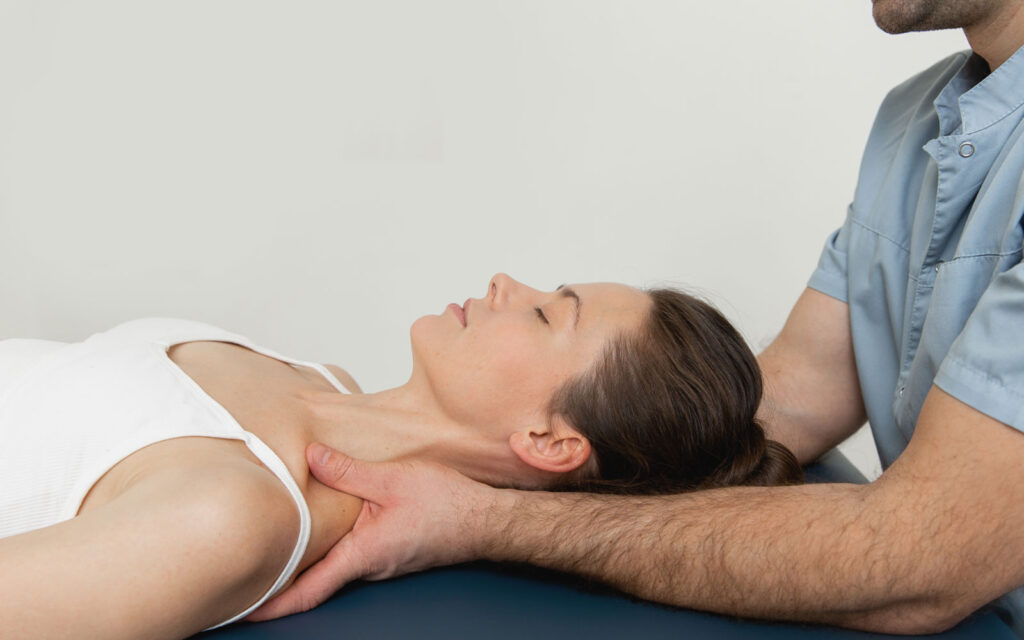
Every appointment begins with a thorough assessment, not assumptions. This includes discussing your symptoms, medical history, lifestyle, work demands, and activity levels, followed by a physical examination to understand how your body is moving and coping with load.
We explain what we find in clear, plain language and outline what we believe is contributing to your symptoms. Treatment, where appropriate, is tailored to those findings and may include hands-on techniques, movement advice, or reassurance. Importantly, assessment may also lead to advice only, referral, or no treatment at all if that is the most appropriate outcome.

Honest Advice, Not One-Size-Fits-All Treatment

We do not follow fixed treatment plans, routine schedules, or generic protocols. Osteopathy is not about repeatedly applying the same techniques regardless of progress. Instead, care is reviewed regularly and adapted based on how you are responding.
If treatment is unlikely to help, we will say so. If you are managing well independently, we will support that. Our aim is not to keep you attending longer than necessary, but to help you understand your body, recover confidently, and return to doing what matters to you with fewer interruptions.
This honest, proportionate approach is central to ethical osteopathic practice and helps avoid many of the myths and misconceptions that surround hands-on care.

Supporting Informed, Confident Decisions About Care

You should always understand why a particular approach is being suggested and feel comfortable asking questions. We see osteopathy as a collaborative process, where your goals, preferences, and concerns are part of the decision-making.

Whether you are attending with pain, stiffness, recurring issues, or simply want clarity about what your symptoms mean, our role is to provide clear information and sensible options, not pressure or promises.

If you would like an assessment based on evidence, transparency, and clinical reasoning, the osteopaths at Key Osteopaths are here to help. You can book an appointment online using our booking link or call and speak with our experienced team to discuss whether osteopathic care is appropriate for you.

Frequently Asked Questions About Osteopathy Myths

Is osteopathy scientifically supported?

Osteopathy is best described as evidence-informed healthcare. This means osteopaths use the best available research alongside clinical expertise and patient preferences. Current evidence supports osteopathic approaches for many musculoskeletal conditions, particularly back pain, neck pain, and joint-related problems. Ethical osteopaths are also clear about the limits of evidence and avoid making claims that go beyond what research supports.

No. Joint manipulation (the technique that can produce a clicking or popping sound) is only one of many tools osteopaths may use, and it is not appropriate or necessary for everyone. Many patients never receive manipulation at all. Osteopaths commonly use gentle joint techniques, soft tissue work, movement-based approaches, and advice instead, depending on the individual and their symptoms.

Back pain is a common reason people seek osteopathic care, but it is far from the only one. Osteopaths also assess and manage neck pain, shoulder problems, joint stiffness, sports-related issues, work-related aches, and movement-related discomfort more broadly. Osteopathy focuses on how the body moves and copes with load, not on a single body region.

Yes, in some cases. People sometimes seek osteopathic assessment for stiffness, reduced movement, recurring minor issues, or to understand why certain problems keep returning. Assessment does not always lead to treatment, and when symptoms are well managed, reassurance or advice may be the most appropriate outcome. Osteopathy is not only about pain, but about understanding physical function and resilience.

In the UK, all practising osteopaths must be registered with the General Osteopathic Council (GOsC). A reputable osteopath will be open about their qualifications, carry out a proper assessment, explain findings clearly, gain informed consent, and avoid making exaggerated claims. They should also be willing to say when treatment is not needed or when referral elsewhere is more appropriate.

Add Your Heading Text Here