

When you are dealing with neck pain, back pain, or ongoing muscle discomfort, it is common to wonder whether massage or osteopathy is the better option. Both approaches involve hands-on care and can feel similar at first glance, yet they serve different purposes and are suited to different types of problems.
Understanding the difference between massage therapy and osteopathic care can help you choose the most appropriate approach for your symptoms, avoid unnecessary delays in recovery, and feel more confident about the care you are receiving.
Why Recovery Matters for Active People
Common Reasons for Neck, Back, and Muscle Pain
- Prolonged sitting or desk-based work
- Repetitive movements or physical work
- Exercise or sport-related strain
- Stress-related muscle tension
- Reduced movement or stiffness over time
Choosing the Right Approach When You’re in Pain
Why the Difference Is Not Always Clear
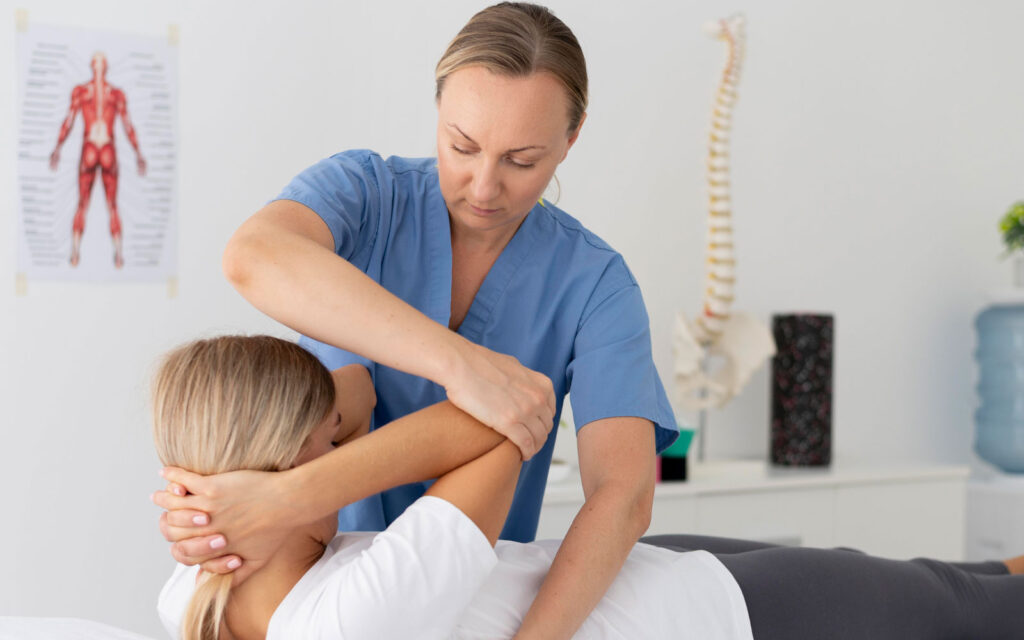
The difference between massage and osteopathy is not always obvious because osteopaths often use soft tissue techniques that feel similar to massage. This can create the impression that the treatments are interchangeable.
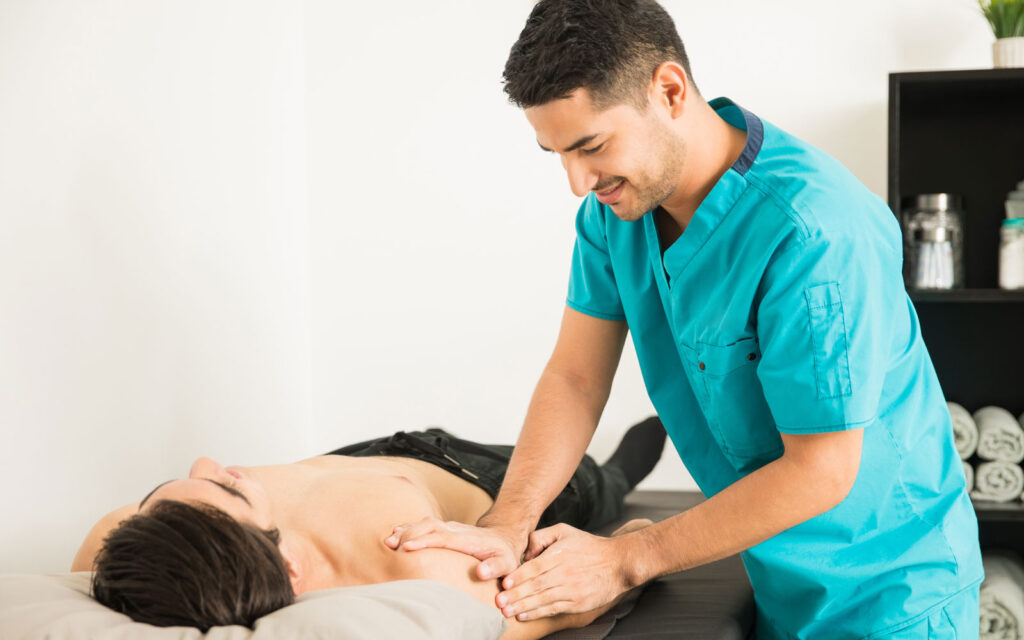
The key distinction lies not in how treatment feels, but in why it is being done. Massage primarily focuses on relieving muscle tension and promoting relaxation. Osteopathy uses hands-on techniques within a broader clinical framework that includes diagnosis, movement assessment, and long-term management.
If you’re unsure about how osteopathy affects the body or have questions about concepts like “toxin release,” our osteopaths at Key Osteopaths are here to provide clear, evidence-based guidance. We support patients across West Byfleet, Woking, Weybridge, Guildford, Ripley, Cobham, and the surrounding Surrey areas, helping you understand what treatment can and cannot do. Our approach focuses on improving movement, easing mechanical strain, and supporting the body’s natural recovery processes so you can feel more comfortable, informed, and confident in your care.Anna, Principal Osteopath at Key Osteopaths
What Does a Massage Therapist Do?
Focus on Muscles, Tension, and Relaxation
When Massage Can Be Helpful for Pain Relief
- General muscle soreness after exercise
- Tension linked to stress or fatigue
- Mild stiffness without significant movement restriction
- Discomfort that improves with heat, rest, or gentle movement
Limitations of Massage for Ongoing or Complex Pain
People sometimes find that massage helps for a few days, but discomfort quickly returns because the underlying cause has not been addressed. This can lead to repeated appointments without lasting improvement, which can be frustrating and costly over time.
What Does an Osteopath Do Differently?
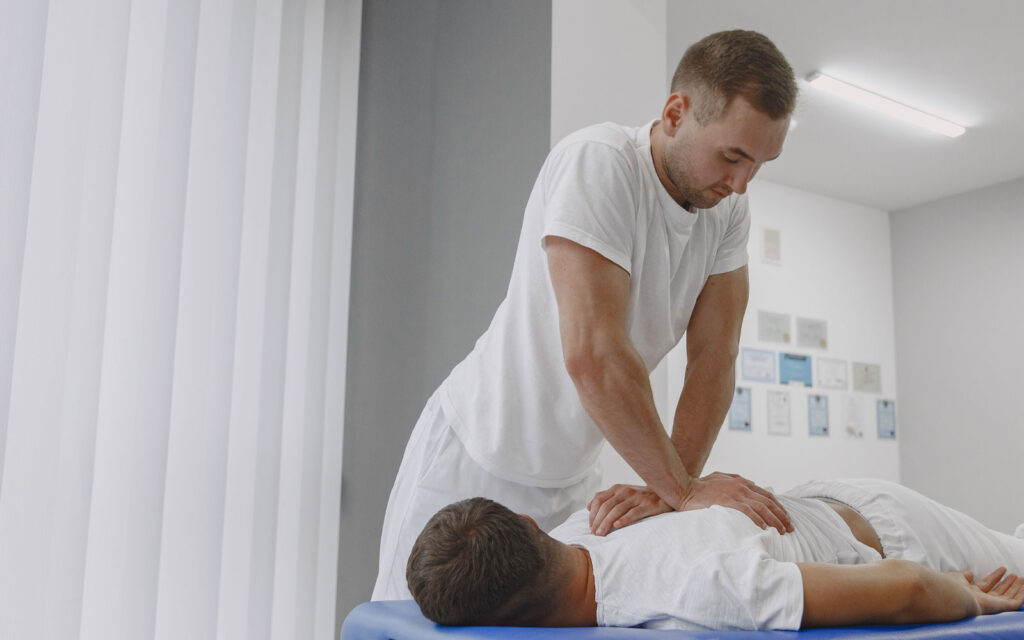
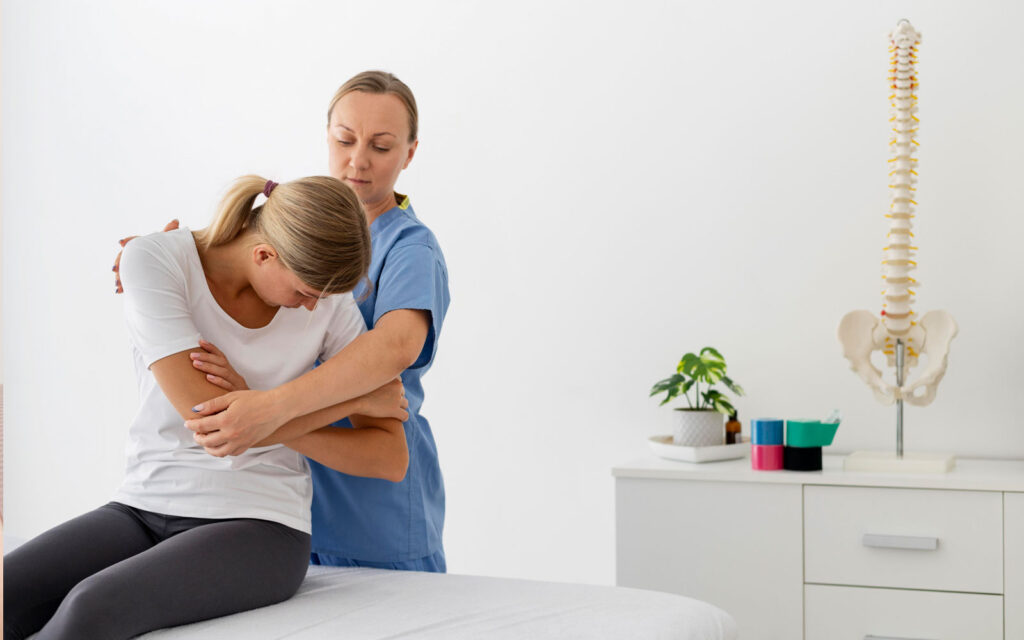
Osteopathy takes a broader clinical approach to pain and dysfunction than massage alone. While hands-on treatment is part of osteopathic care, it sits within a framework of assessment, diagnosis, and ongoing management aimed at understanding why pain is present and how to reduce the likelihood of it returning.
Assessment, Diagnosis, and Clinical Reasoning
Treating Joints, Muscles, and Movement Together
Advice, Rehabilitation, and Long-Term Management

MEET THE
team
Iv been to see Anna on a number of occasions with a degenerative disc in my lower back. Before having an MRI scan to confirm the issue, Anna knew exactly… read more what was wrong and spent a few sessions helping me regain some movement as it was so locked. I now go and see her every few weeks for maintenance. Anna is fabulous at what she does and I’m so glad I found her! I couldn’t recommend her highly enough!

 Harriet Roland-Jones
I specifically booked in with Anna as she came highly recommended by a friend. I have been visiting physios, chiropractors and osteopaths for years with no real success. The problem… read more I had wasn’t complex, but I also suffer with a rare syndrome which means fixing that simple problem made it slightly complex!! I was pleasantly surprised when Anna was aware of my syndrome and knew all about it! No one else I had been to knew anything about it! The treatment she gave me was so relevant and was in line with my syndrome, which meant I saw immediate results when I stuck to the exercises. I genuinely feel like Anna really listened to what I had to say when so many others hadn’t. She is so knowledgeable, approachable, helpful and thoughtful I wouldn’t go anywhere else and would 100% recommend visiting. On a side note, her studio is so spacious and clean, it always is a pleasure to attend.
 Hollie Blue
Despite a busy practice, Anna rescued me when I was in agony and unable to move, let alone get out of bed. She quickly got me up on my feet… read more and gave me exercises to keep me mobile until the next visit. I cannot fault her. She’s not just a fantastic practitioner but a lovely person as well. She always puts others before herself. In fact she’s so highly respected that she doesn’t need to scrape around for work and genuinely only treats you when you need it. She is a most professional person and comes very highly recommend from me.
 Valerie Richardson
Osteopath or Massage for Back Pain and Neck Pain?
When Massage May Be Enough
When Osteopathic Assessment Is More Appropriate
Persistent Pain, Recurrent Symptoms, and Underlying Causes
Training, Regulation, and Clinical Scope
Differences in Professional Training and Qualifications
Regulation and Clinical Responsibility in the UK
Osteopathy is a statutorily regulated healthcare profession in the UK. All practising osteopaths must be registered with the General Osteopathic Council, which sets standards for education, professional conduct, clinical practice, and continuing professional development. Only practitioners on this register are legally allowed to use the title “osteopath”.
Why Diagnosis Matters for Safety and Outcomes
My wife and I – plus my two grown-up daughters – have all seen Anna at one point or another over the last two/three years. She is absolutely fantastic. What… read more you get is what you need – reassurance, matter-of-fact advice and most importantly – pain relief. Anna also gives you some simple stretches and exercises that help mitigate any future problems. Before meeting Anna I had seen a number of other osteos and she is the best by a mile. Highly recommended.
 Nick Bennett
After years of visiting chiropractors, I have decided to try osteopath services. Anna is very skilled and knowledgeable as well as warm and friendly. Each session improved my condition… read more and I always left feeling pain-free. I would highly recommend Anna’s services.
 Ania Prochon
Anna came highly recommended to me by a friend so I decided to go and see her about a muscle issue in my left arm. Anna was fantastic, she asked… read more all the right questions and gave all the right advice, after treatment I had the best arm workout I’d had in over 5 months with no pain in the morning that I usually would have suffered from. I should have gone to see her sooner ! I’m so happy and grateful for the treatment I have received. A big thank you from me and my left arm ! thanks Anna !!
 philip self
Can Massage and Osteopathy Work Together?
How Massage Can Complement Osteopathic Care
Using Massage Within a Broader Treatment Plan
Avoiding Passive Care Without Clear Progress
Which Is Better for Your Situation?
Acute Muscle Tension vs Ongoing Pain
Pain Linked to Posture, Work, or Injury
Massage can still play a supportive role in these cases, but without assessment and guidance, it may only provide temporary relief rather than addressing the underlying cause of the problem.
Making an Informed Choice Based on Symptoms
- Does the pain settle fully with massage, or does it keep coming back?
- Is movement restricted, painful, or asymmetrical?
- Is the pain linked to specific activities, work demands, or past injuries?
- Are there associated symptoms such as stiffness, weakness, or reduced tolerance to load?
Anna is a brilliant osteopath she has helped me with varioys limitations and helped improve my quality of life
 Gabriel Cirilo
Despite a busy practice, Anna rescued me when I was in agony and unable to move, let alone get out of bed. She quickly got me up on my feet… read more and gave me exercises to keep me mobile until the next visit. I cannot fault her. She’s not just a fantastic practitioner but a lovely person as well. She always puts others before herself. In fact she’s so highly respected that she doesn’t need to scrape around for work and genuinely only treats you when you need it. She is a most professional person and comes very highly recommend from me.
Valerie RichardsonI was seen by Anna initially because I had hurt my neck so badly that I was unable to pick up my baby from the floor. In tears on the… read more phone she managed to get me an appointment that day, and she worked her magic, I could move my neck on the way out and the next day the pain had gone. Since then I have seen her regularly (my choice) as she is so fantastic. Very professional, gentle and lovely. Thank you so much!
 daisy duncan
How Osteopaths Help When Massage Isn’t Enough
Identifying Why Pain Keeps Returning
Treating the Cause, Not Just the Symptom
Supporting Recovery and Preventing Recurrence
Making the Right Choice for Pain Relief
A Clear, Evidence-Informed Approach at Key Osteopaths
When to Take the Next Step
Frequently Asked Questions About Massage vs Osteopathy
Is an osteopath better than massage for back pain?
It depends on the nature of the back pain. Massage can be very helpful for easing muscular tension and providing short-term relief, particularly if pain is linked to stress, fatigue, or tight muscles. However, if back pain is persistent, recurrent, or affecting how you move, an osteopathic assessment is often more appropriate.
Osteopaths assess joints, muscles, posture, and movement patterns together, which helps identify why pain is occurring rather than only addressing where it hurts. For simple muscular tightness, massage may be sufficient. For ongoing or recurring back pain, osteopathy is usually better placed to guide safe, longer-term management.
Should I try massage before seeing an osteopath?
You do not need to try massage first. If your pain is mild, short-lived, and clearly muscular, massage can be a reasonable starting point. However, if pain has lasted more than a few weeks, keeps returning, or is limiting daily activities, seeing an osteopath sooner may be more helpful.
Osteopaths are trained to assess whether hands-on treatment is appropriate at all and can advise if massage alone is sufficient, if osteopathic treatment is indicated, or if referral elsewhere is needed. Starting with assessment can sometimes prevent repeated short-term fixes that don’t address the underlying issue.
Can massage make pain worse if there’s an underlying issue?
In some cases, yes. If pain is being driven by joint irritation, nerve sensitivity, or an unresolved injury, deep or aggressive massage can aggravate symptoms rather than help. This does not mean massage is unsafe, but it highlights the importance of understanding what is causing the pain.
Osteopaths are trained to screen for red flags, assess the source of symptoms, and choose techniques that are appropriate for the condition and stage of healing. This reduces the risk of over-treating tissues that are already sensitive or overloaded.
Do osteopaths use massage techniques as well?
Yes. Osteopaths commonly use soft tissue and massage-based techniques as part of treatment. The difference is that these techniques are applied within a broader clinical framework that also considers joints, movement patterns, and nervous system involvement.
Massage within osteopathic care is usually targeted and purposeful, chosen to support overall movement and recovery rather than relaxation alone. It is often combined with joint techniques, movement advice, and rehabilitation guidance where appropriate.
How do I know which one is right for me?
The choice depends on your symptoms, how long they have been present, and what you want to achieve. Massage may be suitable if you are dealing with general muscle tension, stress-related tightness, or short-term soreness and want symptomatic relief.
If pain is persistent, recurring, worsening, or linked to posture, work demands, injury, or restricted movement, an osteopathic assessment is often the better option. Osteopathy is also more appropriate if you are unsure what is causing your pain and want a clear explanation and management plan.
If you are uncertain, the osteopaths at Key Osteopaths are happy to advise whether osteopathic care is appropriate for your situation or whether another approach, including massage, may be sufficient.