Why Recovery Matters for Active People

Exercise Stress, Adaptation, and Tissue Load

Any form of exercise places stress on the body. This stress is not harmful in itself. In fact, it is how the body adapts and becomes stronger. Muscles, joints, tendons, and the nervous system all respond to training load by adjusting their capacity to cope. Recovery is the phase where this adaptation actually occurs. Without adequate recovery, the body does not fully adapt and tissues can remain in a state of overload.
For people who exercise regularly, even at a recreational level, tissue load accumulates over time. Running, gym sessions, fitness classes, cycling, or team sports all involve repeated movement patterns and forces. When recovery is insufficient, these forces can exceed what tissues can comfortably tolerate, increasing the likelihood of stiffness, niggles, or reduced performance. Osteopaths look at how training load and recovery balance out, rather than viewing symptoms as isolated problems.

Why Recovery Is Not Just for Injured Athletes

Recovery is often associated with elite sport or injury management, but it is just as relevant for people who exercise for health, enjoyment, or stress relief. Recreational runners, gym-goers, and weekend sports players often juggle training alongside work, commuting, family responsibilities, and variable sleep. These factors can significantly affect how well the body recovers between sessions.
At Key Osteopaths, we regularly see active people from Guildford, Woking, Weybridge, and surrounding areas who are not injured but feel that their body is not bouncing back as it used to. They may notice lingering tightness, reduced flexibility, or a sense of fatigue that affects training quality. Addressing recovery early can help maintain enjoyment of exercise and reduce the risk of problems developing later.

Common Recovery Mistakes in Recreational Exercise

One common mistake is assuming that soreness or stiffness is simply something to push through. While some post-exercise discomfort is normal, persistent tightness or recurring aches can indicate that recovery is not keeping pace with training demands. Another frequent issue is relying on rest alone without addressing movement patterns, load progression, or recovery habits.
People may also underestimate the impact of non-training factors such as prolonged sitting, stress, poor sleep, or inconsistent warm-ups and cool-downs. These can all influence how tissues respond to exercise. Osteopaths help active individuals understand where recovery may be falling short and what practical changes can support better adaptation, rather than waiting for a clear injury to appear.
If you’re unsure about how osteopathy affects the body or have questions about concepts like “toxin release,” our osteopaths at Key Osteopaths are here to provide clear, evidence-based guidance. We support patients across West Byfleet, Woking, Weybridge, Guildford, Ripley, Cobham, and the surrounding Surrey areas, helping you understand what treatment can and cannot do. Our approach focuses on improving movement, easing mechanical strain, and supporting the body’s natural recovery processes so you can feel more comfortable, informed, and confident in your care.
Anna, Principal Osteopath at Key Osteopaths

How Exercise Affects the Body Beyond Muscle Soreness
Joint Load, Repetition, and Movement Efficiency

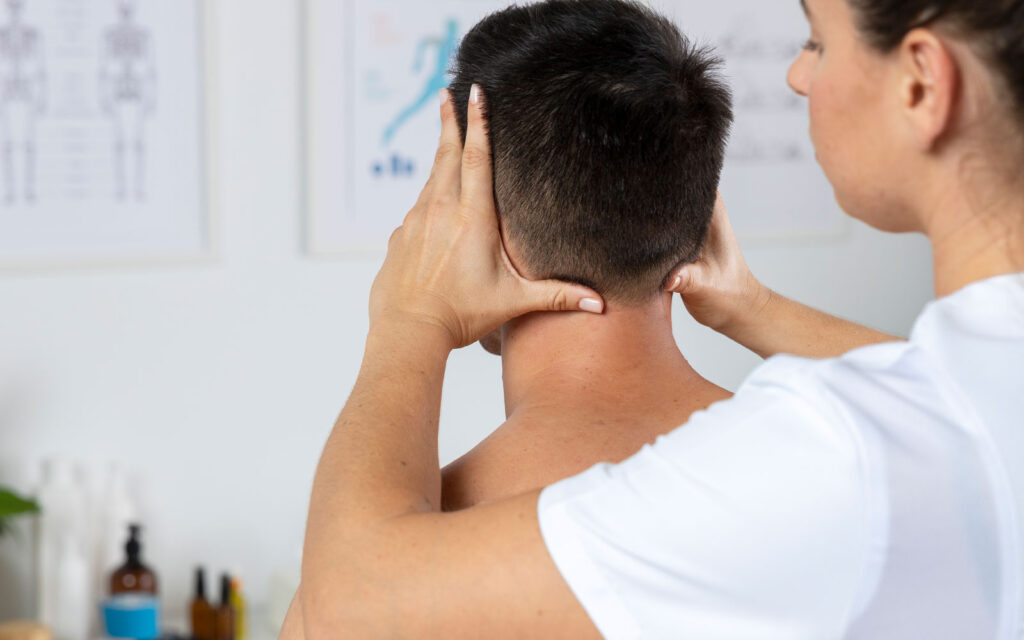
Exercise does more than challenge muscles. Every run, lift, or training session places load through joints, connective tissues, and the nervous system. When movement is efficient and load is well managed, the body adapts positively. When movement becomes repetitive or slightly inefficient, stress can accumulate in specific areas without causing immediate pain.
For example, reduced hip movement during running or limited shoulder mobility during gym training can subtly shift load elsewhere. Over time, joints and soft tissues that are compensating may become irritated or fatigued. Osteopaths assess how joints are moving and how load is being transferred through the body, helping to identify inefficiencies that may limit recovery or increase injury risk even when muscle soreness is minimal.

Muscle Imbalances and Compensatory Patterns

Recreational exercise often involves repeating the same movements or favouring certain muscle groups. Over time, this can lead to muscle imbalances where some areas become overactive and others underused. These imbalances do not always cause pain immediately, but they can change how forces are distributed during activity.
The body is highly adaptable and will compensate to keep you moving. However, compensation patterns can increase strain on joints, tendons, or muscles that are not designed to take repeated load. Osteopathic assessment focuses on how different areas of the body work together, rather than isolating one muscle, helping to identify patterns that may affect performance or recovery.

Fatigue, Reduced Recovery, and Injury Risk

Fatigue is not limited to muscles. When recovery is inadequate, the nervous system and connective tissues can also become fatigued, reducing coordination, control, and tolerance to load. This can increase the likelihood of minor strains, joint irritation, or flare-ups during otherwise routine training sessions.
Reduced recovery may show up as slower warm-ups, stiffness that lasts longer than expected, or a general feeling that training requires more effort than it used to. These signs often appear before a clear injury develops. Osteopaths work with active individuals to recognise early indicators of overload and support recovery strategies that reduce injury risk while allowing continued participation in exercise.

How Osteopathy Supports Sports and Exercise Recovery
Assessing Movement Patterns and Load Tolerance

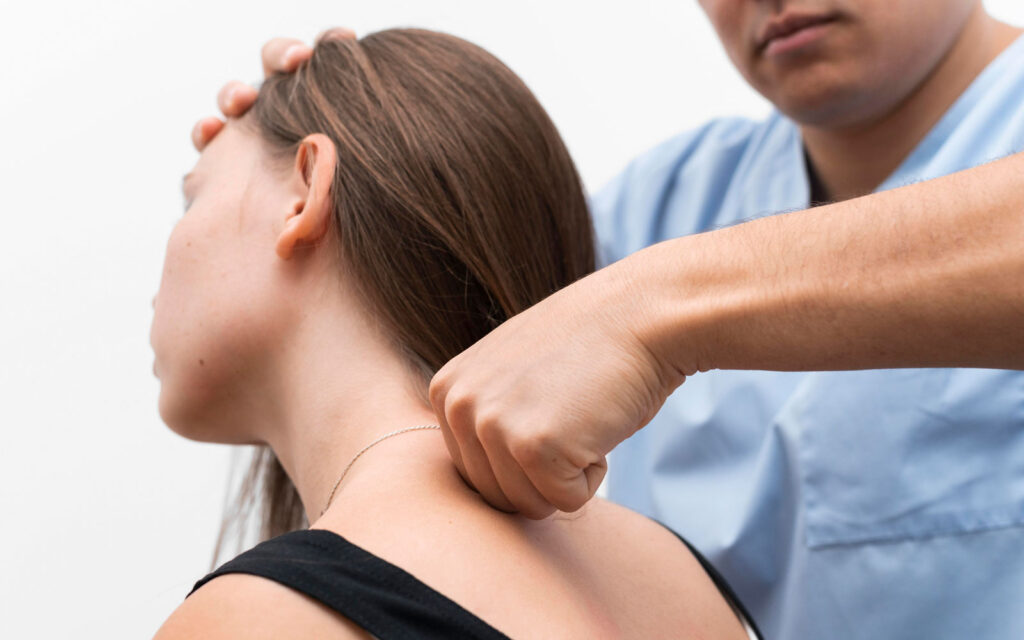
Osteopathy supports sports and exercise recovery by looking at how the whole body is coping with physical load, not just where soreness is felt. An osteopathic assessment considers joint movement, muscle tone, coordination, and how forces are transferred during everyday activity and exercise. This helps identify areas that may be overloaded, under-utilised, or compensating for restrictions elsewhere.
For active people, reduced load tolerance often develops quietly. You may still be training, but recovery feels slower, stiffness lingers longer, or minor aches appear more frequently. Osteopaths assess whether these signs reflect normal adaptation or whether certain tissues are being asked to do more than they can comfortably tolerate. This early insight can be valuable in reducing the risk of training interruptions.

Supporting Mobility, Tissue Health, and Efficient Movement

Hands-on osteopathic treatment is used to support movement quality and tissue health rather than simply easing soreness. Restricted joint movement, increased muscle tone, or reduced tissue flexibility can all influence how efficiently the body moves during exercise. When movement becomes less efficient, recovery demands increase.

Osteopathic techniques aim to improve mobility where movement is restricted and reduce unnecessary muscular effort where tissues are overworking. This can help restore more balanced movement patterns, making training feel smoother and less taxing on specific areas. For many active people, improved movement efficiency supports better recovery between sessions rather than chasing short-term symptom relief.

Osteopathy as Part of a Broader Recovery Strategy

Osteopathy works best as part of a broader recovery approach, alongside sensible training load, rest, sleep, and general physical activity. It does not replace strength training, conditioning, or coaching, and it is not a substitute for rest when the body needs it.
Instead, osteopathy complements these elements by helping people understand how their body is responding to exercise over time. Advice may include movement variety, pacing, recovery strategies, or guidance on when to modify training. By combining assessment, treatment where appropriate, and practical education, osteopathy supports active individuals in recovering more effectively and continuing to exercise with confidence rather than pushing through accumulating strain.

MEET THE

team

Fantastic service! Anna has worked her magic when I’ve been in real pain. She’s professional, honest and is always smiling – I couldn’t recommend more highly !

Lorraine Avatar Lorraine

Anna and Francesca are amazing osteopaths. Have really helped me with my neck issues!

JGarnes Music Avatar JGarnes Music

Anna came highly recommended and I have not been disappointed. My back and hip problem have been resolved in a mere two very good sessions. Anna knows what she’s… read more

Jean Paul Broodbakker Avatar Jean Paul Broodbakker

Improving Flexibility and Movement Quality
Flexibility Versus Useful Range of Motion

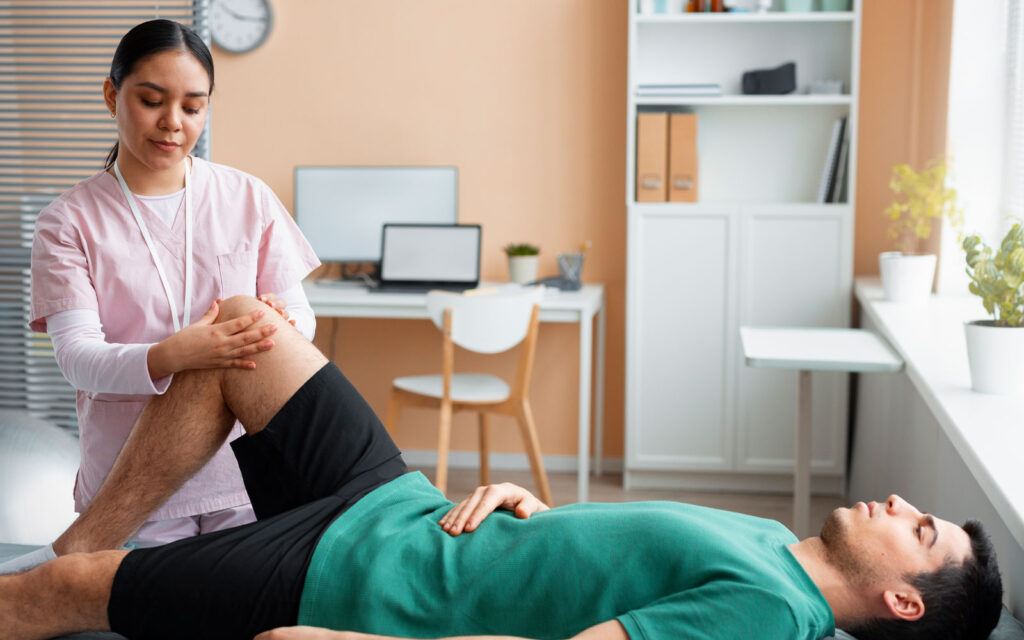
Flexibility is often thought of as how far a muscle can stretch, but in practice, useful range of motion is more important for recovery and performance. Useful range refers to how comfortably and controllably a joint can move during real activities such as running, lifting, or changing direction.
Someone may appear flexible during static stretches but still struggle with efficient movement under load. Conversely, limited range in certain joints, such as the hips or upper back, can force other areas to compensate. Osteopaths focus on restoring movement that is usable and coordinated, rather than chasing flexibility for its own sake, helping active people move more efficiently and recover more reliably.

Why Stiffness Often Reflects Load Rather Than Tight Muscles

Stiffness after exercise is not always caused by shortened or “tight” muscles. In many cases, it reflects how tissues are responding to load, fatigue, or insufficient recovery. Muscles and joints may feel stiff as a protective response when they are overloaded or when movement patterns are inefficient.
This is why aggressive stretching does not always resolve stiffness and can sometimes make symptoms worse. Osteopathic assessment looks at why stiffness is present, considering joint movement, muscle tone, and overall load management. Addressing the underlying cause often leads to better results than stretching alone.

Supporting Movement Without Overstretching

Supporting movement quality involves improving how the body moves, not forcing it into positions it cannot yet tolerate. Overstretching fatigued or overloaded tissues can increase irritation and delay recovery, particularly when stiffness is a response to strain rather than true restriction.
Osteopaths use gentle, targeted techniques to support mobility where it is needed and to reduce unnecessary tension. This is often combined with advice on appropriate movement, warm-ups, and recovery strategies that match current training levels. The goal is to support natural movement and adaptability without adding further stress to already loaded tissues.

Managing Muscle Imbalances and Repetitive Strain
How Repetitive Exercise Creates Imbalances

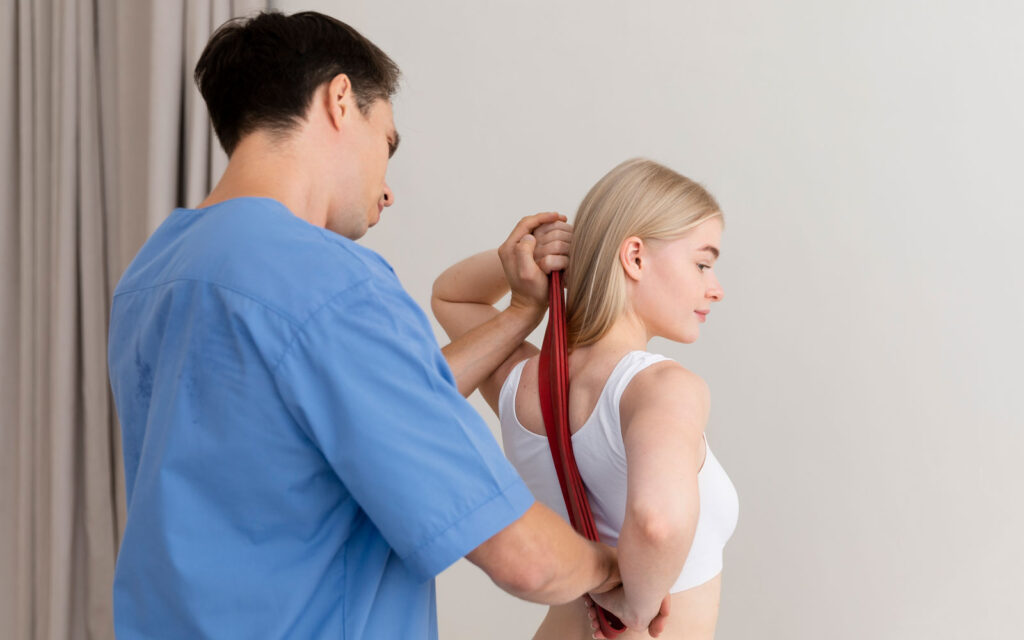
Repetitive exercise, even when it feels balanced, can gradually place more demand on certain muscles and joints than others. Activities such as running, cycling, gym training, or playing the same sport week after week often involve repeated movement patterns in one direction or range. Over time, this can lead to some muscles becoming overworked while others contribute less effectively.
These imbalances do not mean something is “wrong,” but they can reduce movement efficiency and increase strain on specific areas such as the knees, hips, lower back, or shoulders. Osteopaths assess how joints and muscles share load during movement, helping identify patterns where certain areas are consistently compensating for others.

Recognising Early Signs of Overload

Early signs of overload are often subtle and easy to ignore, particularly for active people who are used to training discomfort. These may include lingering stiffness that lasts longer than expected, reduced range of movement, niggles that recur in the same place, or a feeling that one side of the body is working harder than the other.
Performance changes can also be an early indicator. Feeling unusually fatigued, struggling with movements that normally feel easy, or needing longer recovery between sessions may suggest that tissues are not adapting as well as they could. Addressing these signs early can help prevent more disruptive injuries from developing.

Addressing Minor Issues Before They Limit Training

Minor issues often respond well to early assessment and simple adjustments. This may involve identifying movement restrictions, reducing excessive load in certain areas, or modifying training volume or technique temporarily. Hands-on osteopathic treatment can support tissue comfort and mobility, while advice helps improve how load is managed between sessions.
For many active people, this proactive approach allows them to continue exercising with fewer interruptions. At Key Osteopaths, we often support recreational runners, gym-goers, and weekend sports enthusiasts by helping them address small issues early, before they become barriers to consistent training or enjoyment of activity.

I went to see Anna with a severe lower back pain. She identified my problem and in a few sessions helped me to improve it. She really cares about what… read more

Paola Lopez Avatar Paola Lopez

Super helpfull, friendly and informative. Cant recommend highly enough.

Ashley Holloman Avatar Ashley Holloman

Rosie treated our baby boy for and it made a huge difference. After the treatment he started sleeping better and crying less. A big relif

Richard Sprake Avatar Richard Sprake

Recovering From Training Without Stopping Activity
Active Recovery and Load Modification

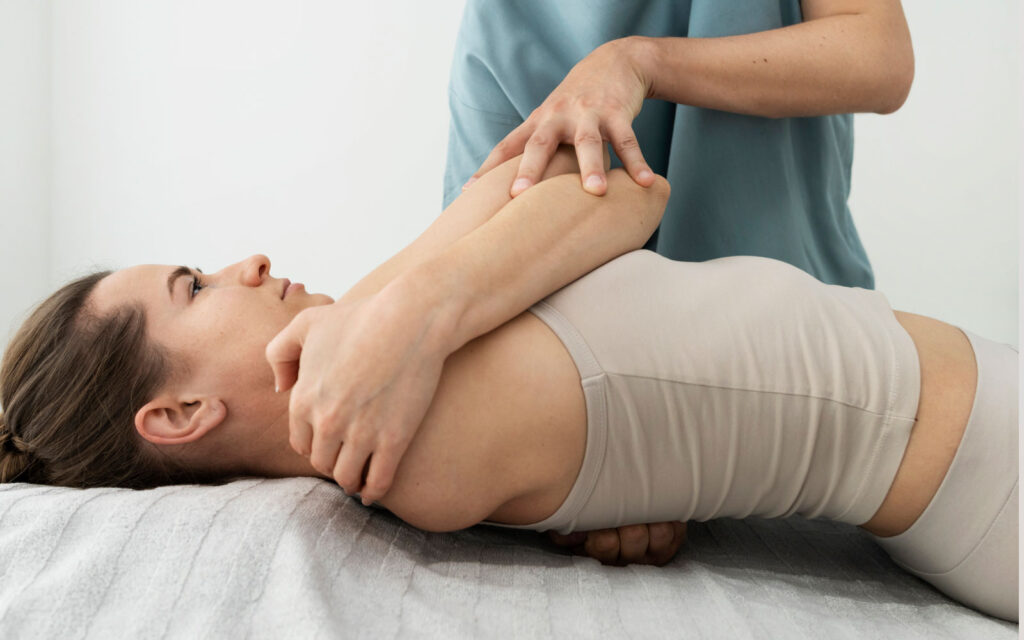
Recovery does not always mean complete rest. For many active people, especially those who exercise regularly, active recovery is often more effective than stopping altogether. Gentle movement, lower-intensity sessions, or switching activities can help maintain circulation, support tissue recovery, and reduce stiffness without adding excessive strain.
Load modification is key. This might involve temporarily reducing training volume, intensity, or frequency, or avoiding specific movements that consistently aggravate symptoms. Small adjustments allow the body to adapt while still maintaining fitness and routine, which is often important for motivation and mental wellbeing.
Osteopaths frequently guide people on how to adjust activity intelligently rather than advising blanket rest, helping recovery fit realistically around training goals.

Balancing Training, Work, and Everyday Demands

Exercise does not exist in isolation. Work demands, commuting, sleep quality, stress, and daily movement all contribute to how well the body recovers from training. Someone who trains moderately but sits for long hours or performs manual work may place just as much total load on their body as someone training at a higher level.
When recovery feels slow, it is often the combined effect of training plus everyday demands rather than exercise alone. Osteopathic assessment considers this bigger picture, looking at posture, movement habits, and cumulative load across the week. This helps explain why two people following similar training programmes may recover very differently.
At Key Osteopaths, we regularly work with active individuals, including runners in Guildford and gym-goers from Woking and Weybridge, who want to keep exercising while managing the demands of work and daily life more effectively.

When Rest Alone Is Not Enough

While rest is an important part of recovery, it is not always sufficient on its own. If stiffness, aches, or niggles persist despite reducing activity, it may indicate that certain tissues are not coping well with load or that movement patterns are placing repeated strain on the same areas.
In these cases, ongoing discomfort is less about fatigue and more about how the body is functioning. Osteopathy can help by identifying movement restrictions, addressing areas of increased tension, and improving how load is distributed through joints and muscles. This can make recovery strategies more effective and reduce the likelihood that minor issues progress into injuries that force a complete stop.
If training-related discomfort is lingering or repeatedly interrupting your routine, an assessment can help clarify whether simple recovery adjustments are enough or whether additional support would help you stay active more comfortably.

Osteopathy for Runners, Gym-Goers, and Weekend Sports
Running, Impact Load, and Recovery Needs

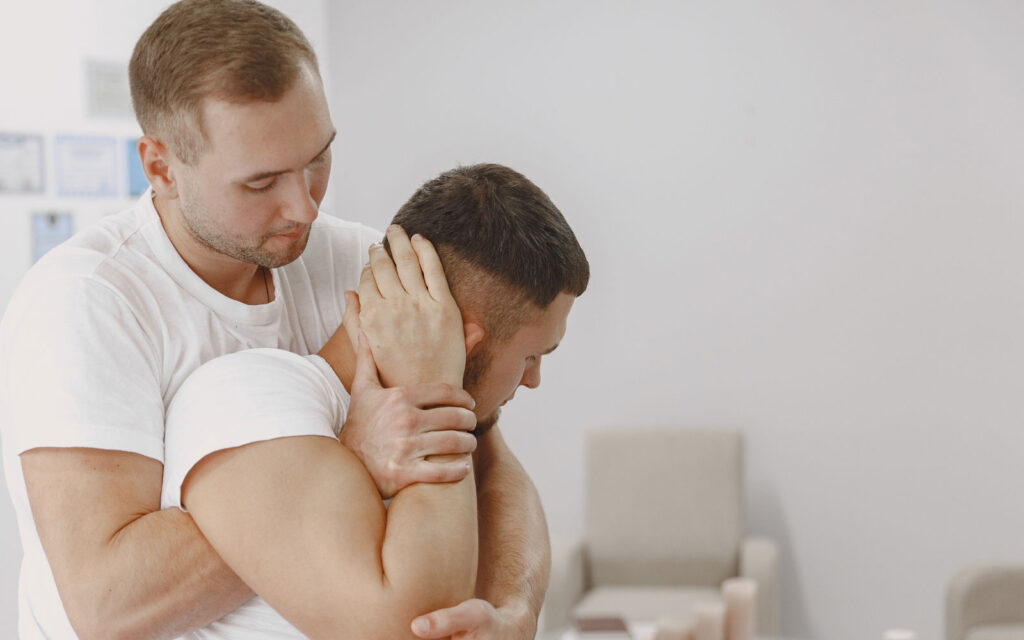
Running places repeated impact load through the feet, ankles, knees, hips, and spine. Even at recreational levels, thousands of similar loading cycles occur in a single run, which means small inefficiencies in movement can add up over time. Reduced hip mobility, asymmetrical stride patterns, or lingering stiffness after runs are common signs that tissues are being overloaded rather than adapting efficiently.
Osteopathy for runners focuses on how impact forces are absorbed and transferred through the body. Assessment looks at joint movement, muscle tone, and how load is distributed rather than just where pain is felt. Supporting movement efficiency and addressing early restrictions can help runners recover more comfortably between sessions and reduce the likelihood of recurring niggles disrupting training.
At Key Osteopaths, we regularly see runners from areas such as Guildford, Woking, and Weybridge who want to stay consistent with training while managing impact-related aches sensibly.

Strength Training, Mobility, and Joint Stress

Strength training is highly beneficial for overall health, but it also places significant load through joints and connective tissues, particularly when exercises are repeated frequently or performed under fatigue. Common issues include shoulder discomfort with pressing movements, hip or lower back stiffness after squats and deadlifts, or elbow and wrist strain from gripping and loading.

Problems often arise not because strength training is harmful, but because certain joints or tissues are working harder to compensate for restricted movement elsewhere. Osteopathic assessment helps identify these compensatory patterns, such as limited thoracic movement increasing shoulder stress or reduced hip mobility increasing load through the lower back.

Supporting mobility where it is needed, rather than simply stretching everything, can improve lifting comfort and reduce joint irritation without compromising strength gains.

Team Sports, Intermittent Load, and Injury Prevention

Team and recreational sports place very different demands on the body compared to steady-state exercise. Sudden acceleration, deceleration, twisting, jumping, and contact all create intermittent, high-load forces that tissues must be able to tolerate. Weekend sports players often experience issues because overall conditioning and recovery do not always match these demands.

Osteopathy can support people involved in football, rugby, tennis, hockey, and similar activities by assessing how well joints and muscles cope with these rapid changes in load. Reduced movement options, residual stiffness from previous injuries, or poor recovery between games can all increase injury risk.

Rather than waiting for a strain or sprain to occur, early assessment and sensible load management advice can help active people stay involved in sport while reducing unnecessary time out due to avoidable injuries.

Anna has been brilliant, not only helping me getting rid of my neck pain, but also teaching me how to keep my body strong and healthy. Very professional, yet friendly,… read more

Lucia Mosko Avatar Lucia Mosko

Love Anna, she is really good. Helped me out with mobility issues, muscle and tension release post training. Also now that I’m expecting my baby she’s been fantastic, helping with… read more

Maria Alejandra Reis Avatar Maria Alejandra Reis

I was seen by Anna initially because I had hurt my neck so badly that I was unable to pick up my baby from the floor. In tears on the… read more

daisy duncan Avatar daisy duncan

How Osteopaths Work Alongside Training and Fitness Goals
Supporting Performance Without Overpromising

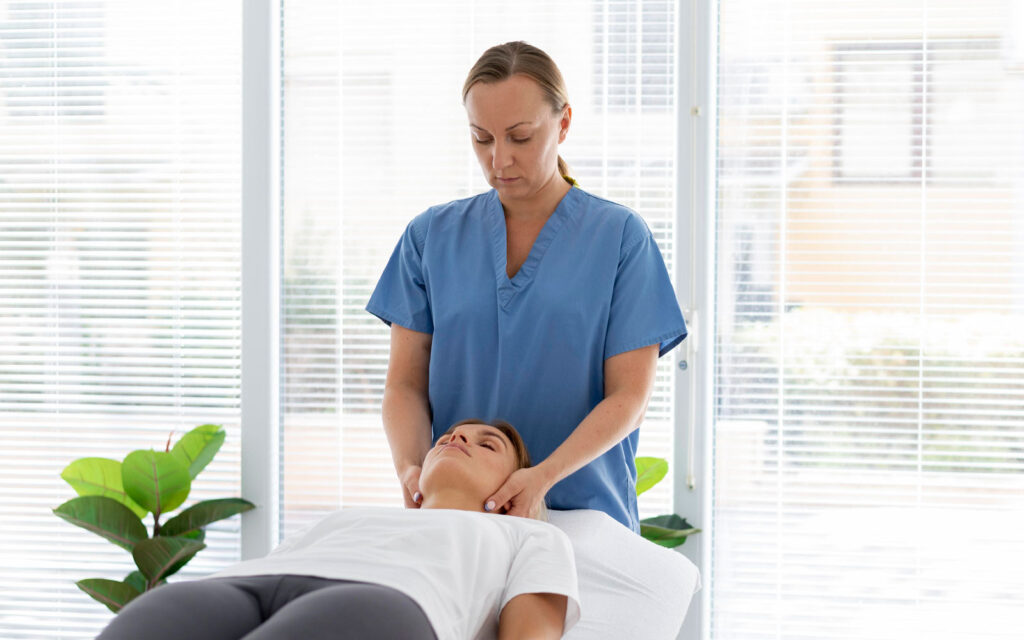
Osteopathy does not claim to enhance performance in the way that structured training, coaching, or conditioning programmes do. Instead, its role is to support how the body copes with training demands by addressing factors that may limit efficient movement, recovery, or load tolerance. This includes identifying restrictions, tension patterns, or compensations that increase strain during exercise.
For active people, this support can make training feel more comfortable and sustainable. When joints move more freely and muscles are not constantly working around restrictions, effort is often distributed more evenly. This may reduce post-training soreness, help maintain consistency, and lower the risk of training being interrupted by minor issues. Importantly, osteopaths avoid making promises about performance gains and focus instead on supporting physical capacity and resilience.
At Key Osteopaths, we work with active individuals from Guildford, Woking, Weybridge, and surrounding areas who want to keep exercising regularly without pushing through avoidable discomfort.

Working Alongside Coaches, Physios, and Trainers

Osteopathy works best when it complements, rather than replaces, other aspects of fitness and healthcare. Many active people already work with personal trainers, coaches, physiotherapists, or sports therapists. Osteopaths add value by offering a whole-body musculoskeletal assessment that considers how different regions interact under load.
Clear communication is key. Osteopaths can help identify physical limitations that may influence training choices and can support plans set by coaches or trainers by addressing movement restrictions or recovery issues. Where appropriate, osteopaths also refer on or suggest additional input if symptoms fall outside the scope of osteopathic care.
This collaborative approach helps ensure that exercise, rehabilitation, and manual therapy are aligned rather than working at cross purposes.

Building Long-Term Physical Resilience

For most recreationally active people, the goal is not peak performance but long-term participation. Physical resilience means being able to train, play sport, and stay active consistently without frequent setbacks. This depends on how well the body adapts to load, recovers between sessions, and manages everyday demands alongside exercise.
Osteopaths support resilience by helping people understand their own patterns of stiffness, fatigue, or overload and by intervening early when minor issues arise. This may involve hands-on treatment when appropriate, but just as often it includes advice on movement variety, recovery strategies, and recognising early warning signs.
At Key Osteopaths, our focus is on supporting active lifestyles in a realistic, evidence-informed way. If you enjoy running, gym training, or weekend sport and want to stay active without recurring interruptions, an osteopathic assessment can help clarify what your body needs to keep moving well over the long term.

Bringing Osteopathy Into an Active, Sustainable Routine
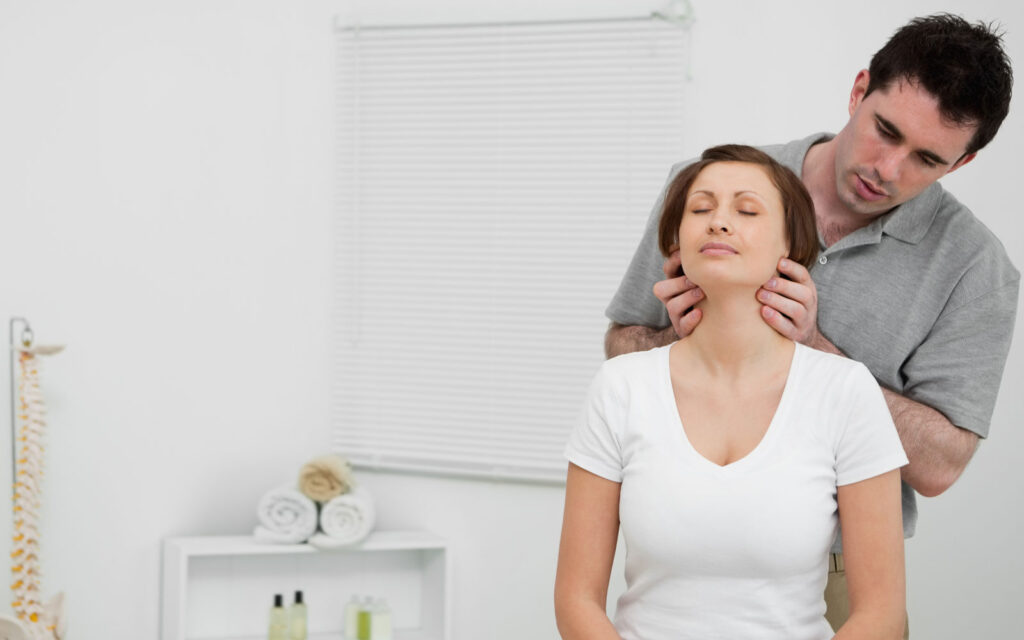
Staying active is one of the best things you can do for long-term health, but it also places ongoing demands on the body. Recovery is not just about resting after injury; it is about how well your joints, muscles, and nervous system adapt to repeated training, work, and everyday life. When recovery is supported effectively, activity feels more sustainable, setbacks are less frequent, and confidence in movement improves.
Osteopathy fits into this picture as a supportive, evidence-informed approach rather than a quick fix. It focuses on how your body is coping with load, how you move, and where small issues may be developing before they turn into injuries that stop you exercising altogether. For many active people, this means staying consistent rather than pushing through recurring discomfort or repeatedly starting again after flare-ups.

When to Consider Professional Support for Recovery

You do not need to be injured or training at an elite level to benefit from an assessment. Osteopathic input can be useful if you notice recurring niggles, stiffness that does not resolve with warm-up, or patterns where the same area keeps becoming sore after similar activities. It can also be helpful during periods of change, such as increasing training volume, returning after time off, or balancing exercise with demanding work or family life.
Equally, there will be times when advice, reassurance, or simple adjustments are all that is needed. Good osteopathic care involves knowing when not to treat, as well as when hands-on support is appropriate.

Supporting Active Lives at Key Osteopaths

At Key Osteopaths, we work with runners, gym-goers, and people who enjoy staying active in everyday ways, not just competitive athletes. Our focus is on clear assessment, honest guidance, and supporting recovery in a way that fits realistically around training, work, and life outside exercise.
If you are finding that recovery is holding you back, or you want to sense-check how your body is coping with your current activity levels, our osteopaths are happy to help. You can book an appointment, get in touch via our contact page, or speak to our team to discuss whether an assessment would be useful for you.

Frequently Asked Questions About Osteopathy and Exercise Recovery

Can osteopathy help me recover faster from workouts?

Osteopathy can support recovery by addressing physical factors that may slow it down, such as restricted joint movement, increased muscle tension, or inefficient movement patterns. By improving how load is distributed through the body and supporting comfortable movement, some people find that post-exercise soreness settles more easily and that they feel ready to train again sooner.
However, osteopathy does not override the need for adequate rest, sleep, nutrition, and sensible training progression. Recovery is multifactorial, and osteopathy should be seen as one supportive element rather than a shortcut.

No. While osteopaths often treat sports injuries, osteopathy is not limited to injury care. Many people who attend are active but not injured and want support with recovery, stiffness, or recurring niggles that have not yet stopped them exercising.
Osteopathy is commonly used by runners, gym-goers, and people who play sport recreationally to help manage training load, movement efficiency, and physical resilience rather than to treat acute injuries alone.

You do not need to see an osteopath simply because you exercise regularly. Many people manage well with good training habits and recovery strategies alone.
An osteopathic assessment may be helpful if you notice recurring soreness in the same areas, stiffness that does not ease with warm-up, reduced movement on one side, or frequent minor setbacks that interrupt training. The decision should be based on individual need rather than routine attendance.

Osteopathy does not directly improve fitness, strength, or endurance. Those adaptations come from training. What osteopathy can do is help remove physical barriers that may limit efficient movement, such as joint restriction, excess tension, or compensation patterns.
By supporting more comfortable, balanced movement, some people find they can train more consistently or with less discomfort, which may indirectly support performance over time. Osteopaths avoid making claims about performance enhancement and focus instead on physical function and tolerance.

Normal post-exercise soreness usually settles within a few days and improves as you move. Assessment may be sensible if soreness is persistent, worsening, localised to one area, or repeatedly returning after the same type of activity.
Other reasons to seek assessment include pain that alters how you move, discomfort that builds during exercise rather than easing, or symptoms such as sharp pain, swelling, or reduced strength.
If you are unsure, the osteopaths at Key Osteopaths can assess whether what you are experiencing is part of normal training adaptation or something that would benefit from targeted support.